Best Serums for Pigmentation & Dark Spots in India
Pigmentation, acne marks, tanning and dark spots are some of the most common skincare concerns. They can appear because of sun exposure, acne, inflammation, hormonal changes, or skin irritation. The good news is that the right serum, combined with daily sunscreen, can help gradually improve uneven skin tone.
Dermatologists commonly recommend ingredients such as vitamin C, azelaic acid, kojic acid, niacinamide, retinoids, arbutin and tranexamic acid for pigmentation and dark spots.
Top 10 Serums for Pigmentation & Dark Spots
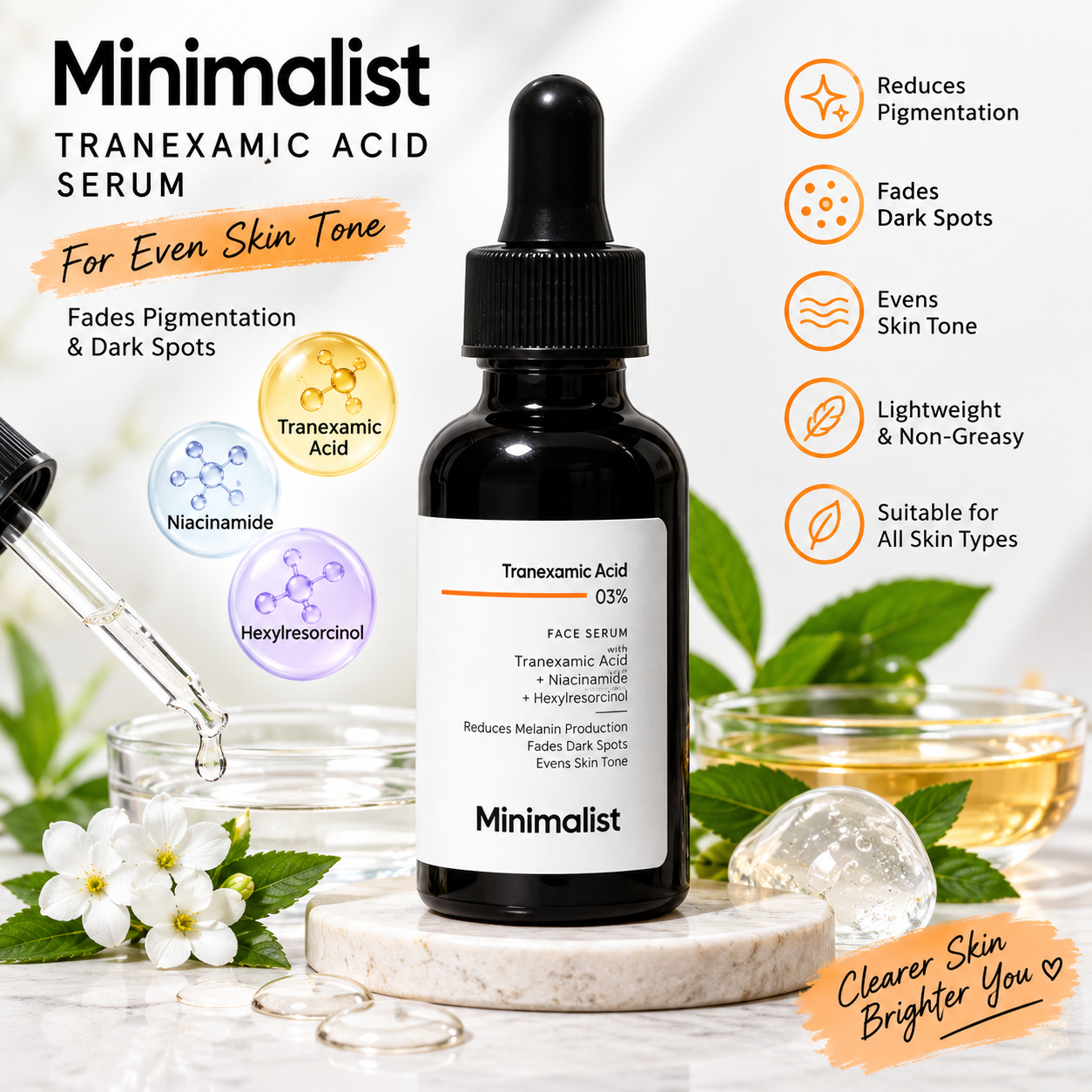
1. Minimalist 3% Tranexamic Acid Serum
Best for: Stubborn pigmentation and post-acne marks
Tranexamic acid is a popular ingredient for pigmentation because it targets pathways involved in excess melanin production. This type of serum can be particularly useful for people dealing with persistent dark patches and post-inflammatory pigmentation.
Why consider it:
- Targets pigmentation
- Useful for acne marks
- Lightweight texture
- Suitable for targeted pigmentation routines
2. The Derma Co 2% Kojic Acid Face Serum
Best for: Dark spots and tanning
Kojic acid is a well-known brightening ingredient used to address excess pigmentation. It can be useful for people dealing with sun spots, tanning and uneven skin tone.
Why consider it:
- Kojic acid-based formula
- Helps improve uneven tone
- Suitable for targeted dark-spot care
- Good option for a brightening routine
Kojic acid is among the topical ingredients recommended in Indian expert consensus for mild pigmentation disorders.
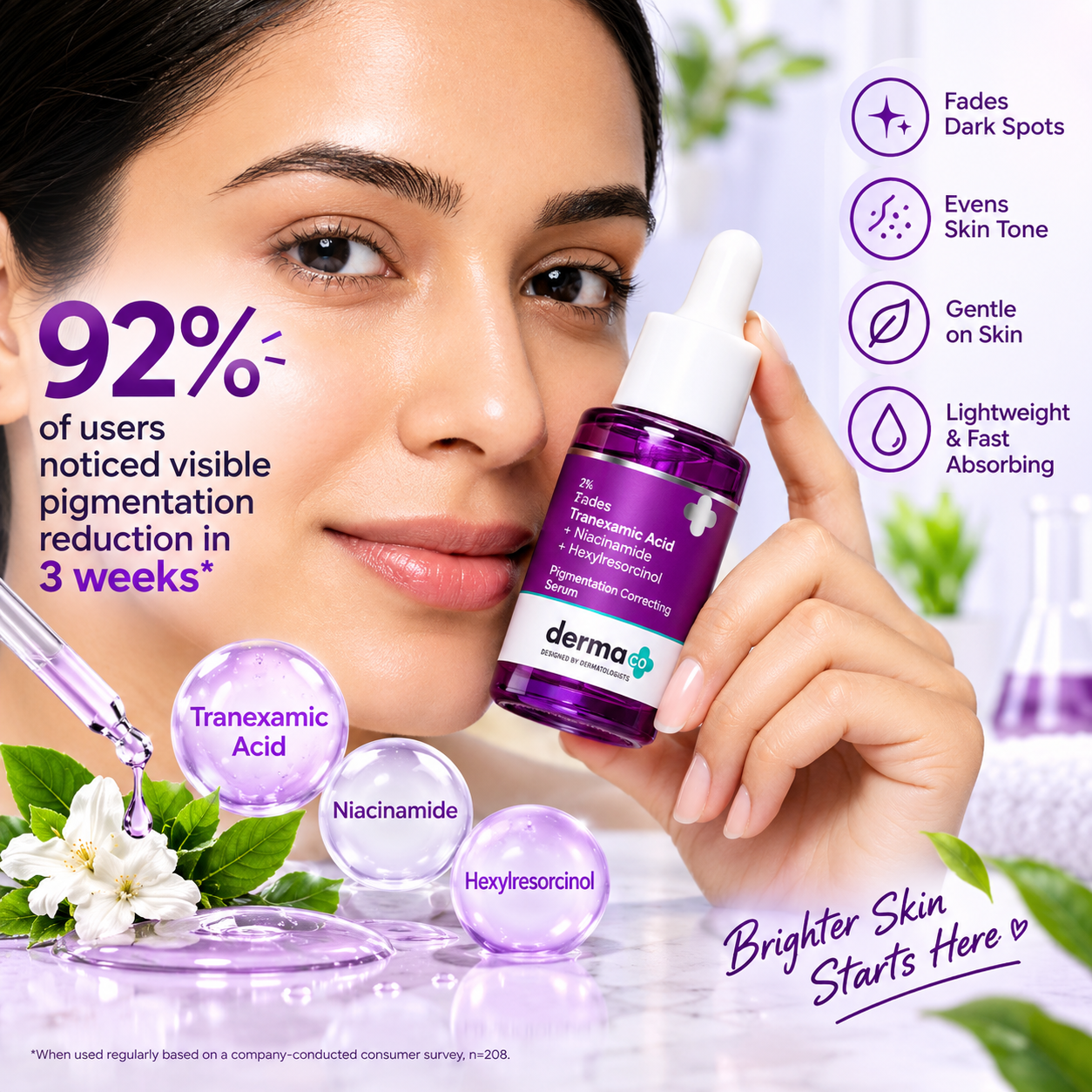
3. Deconstruct Brightening Serum
Best for: Uneven skin tone and acne marks
A combination of niacinamide and alpha arbutin can be useful when the goal is to gradually improve pigmentation while maintaining a relatively simple skincare routine.
Why consider it:
- Alpha arbutin targets pigmentation
- Niacinamide supports an even-looking complexion
- Suitable for beginners
- Lightweight serum format
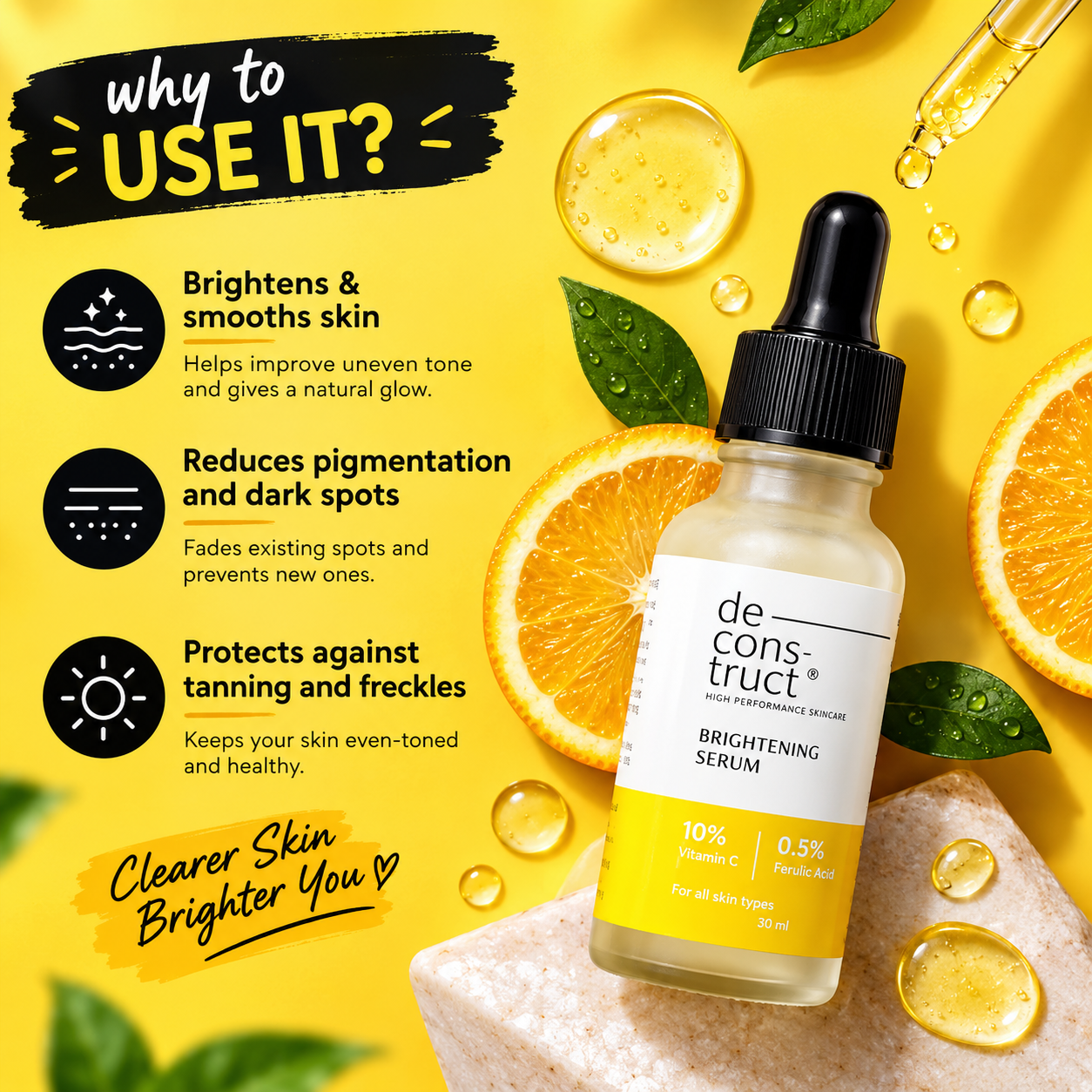
4. L’Oréal Paris Glycolic Bright Serum
Best for: Dark spots and dull skin
Glycolic acid is an exfoliating ingredient that can help improve the appearance of uneven skin tone and dullness. L’Oréal’s pigmentation-focused serum also incorporates brightening ingredients.
Why consider it:
- Targets visible dark spots
- Helps improve dull-looking skin
- Exfoliating action
- Good option for uneven complexion

5. The Ordinary Alpha Arbutin 2% + HA
Best for: Beginners with pigmentation concerns
Alpha arbutin is commonly used in brightening skincare products. Combined with hyaluronic acid, this type of serum can provide pigmentation-focused care without making the routine overly complicated.
Why consider it:
- Alpha arbutin-based
- Hydrating formula
- Simple ingredient-focused approach
- Good for beginners
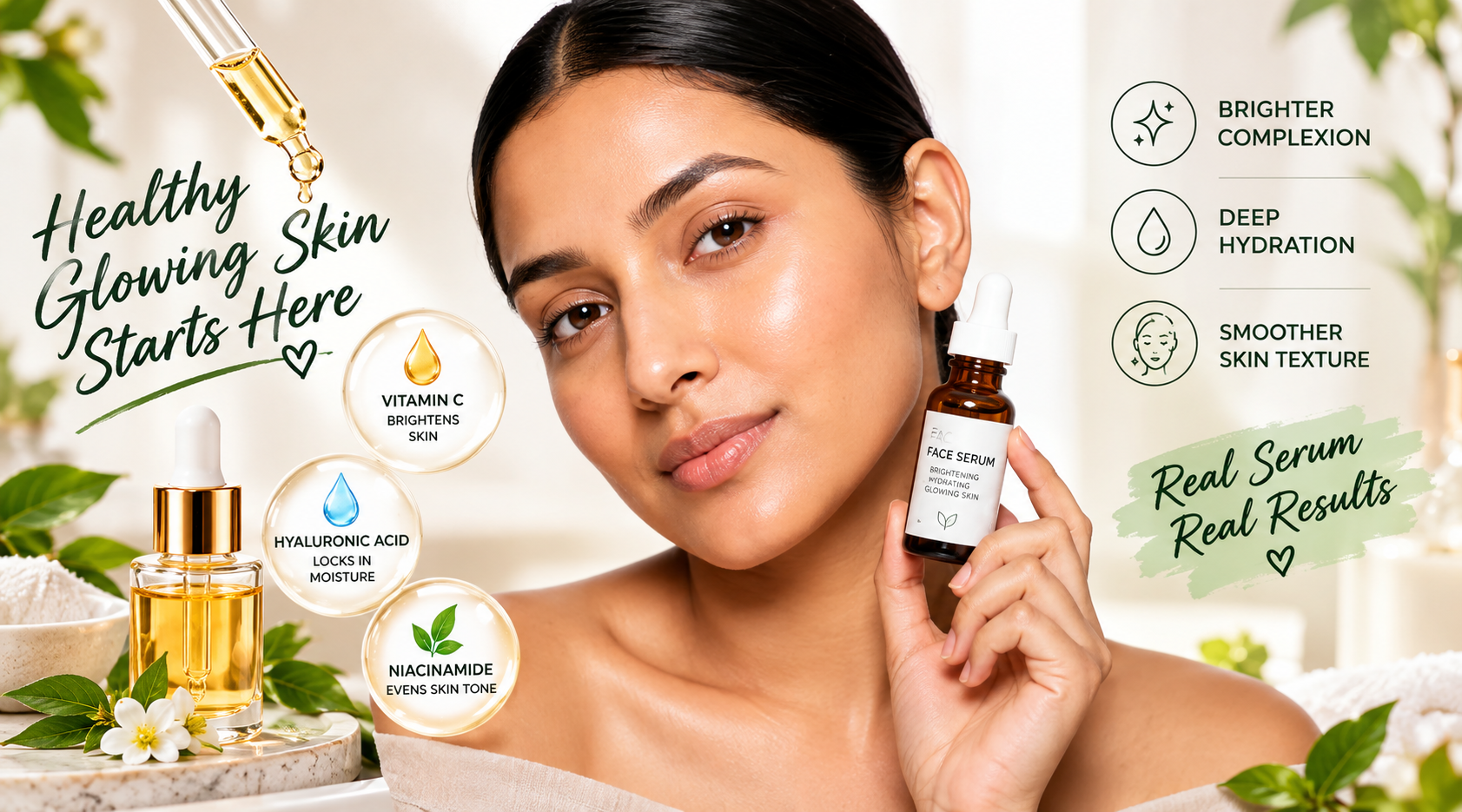
6. Minimalist 10% Vitamin C + E + Ferulic Acid
Best for: Sun-related pigmentation and dullness
Vitamin C is one of the better-known antioxidant ingredients for improving the appearance of dark spots and uneven skin tone. The American Academy of Dermatology notes that vitamin C can help reduce dark spots.
Why consider it:
- Vitamin C provides antioxidant support
- Helps brighten dull skin
- Useful for sun-related discoloration
- Can complement a sunscreen routine
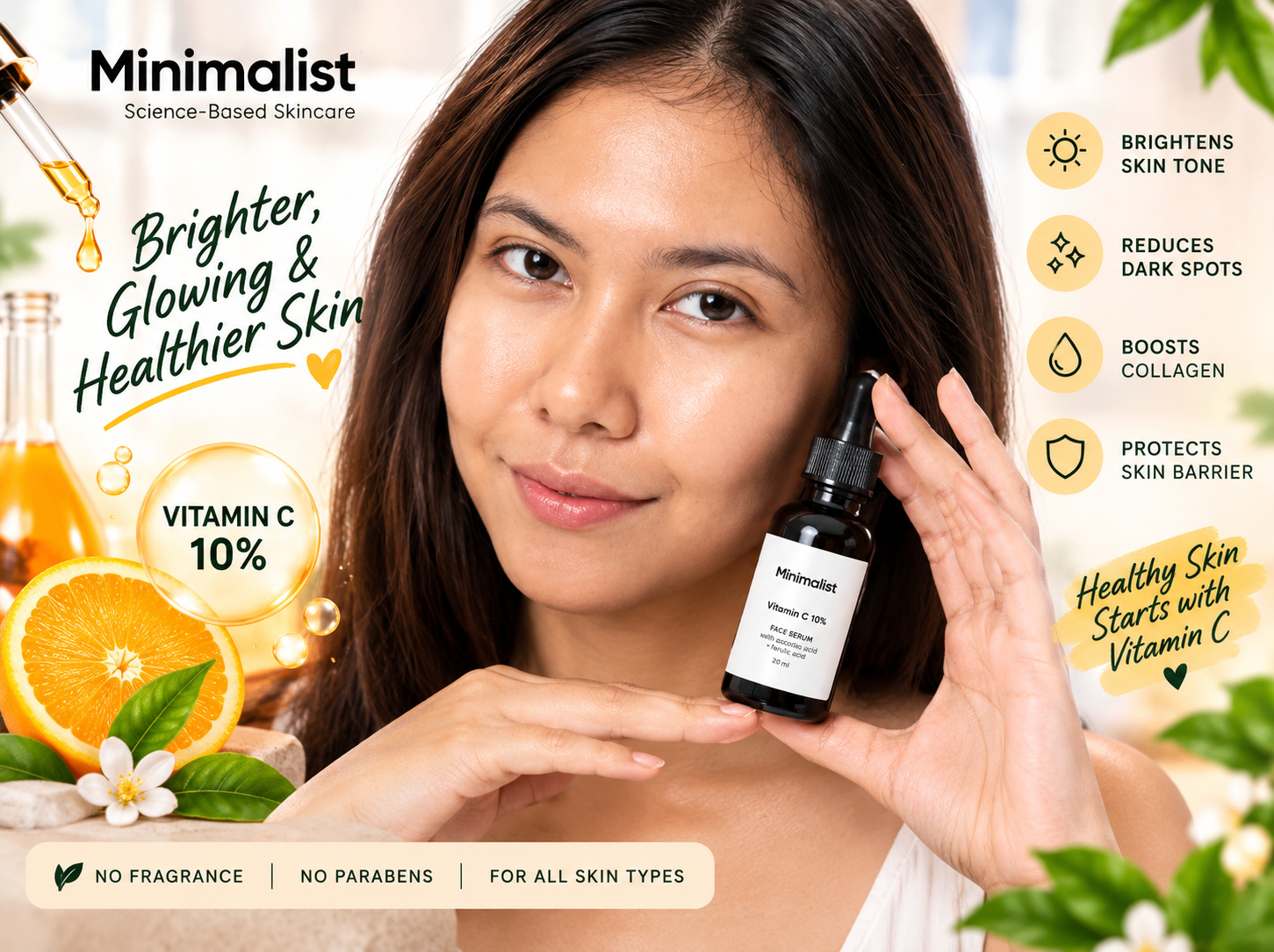
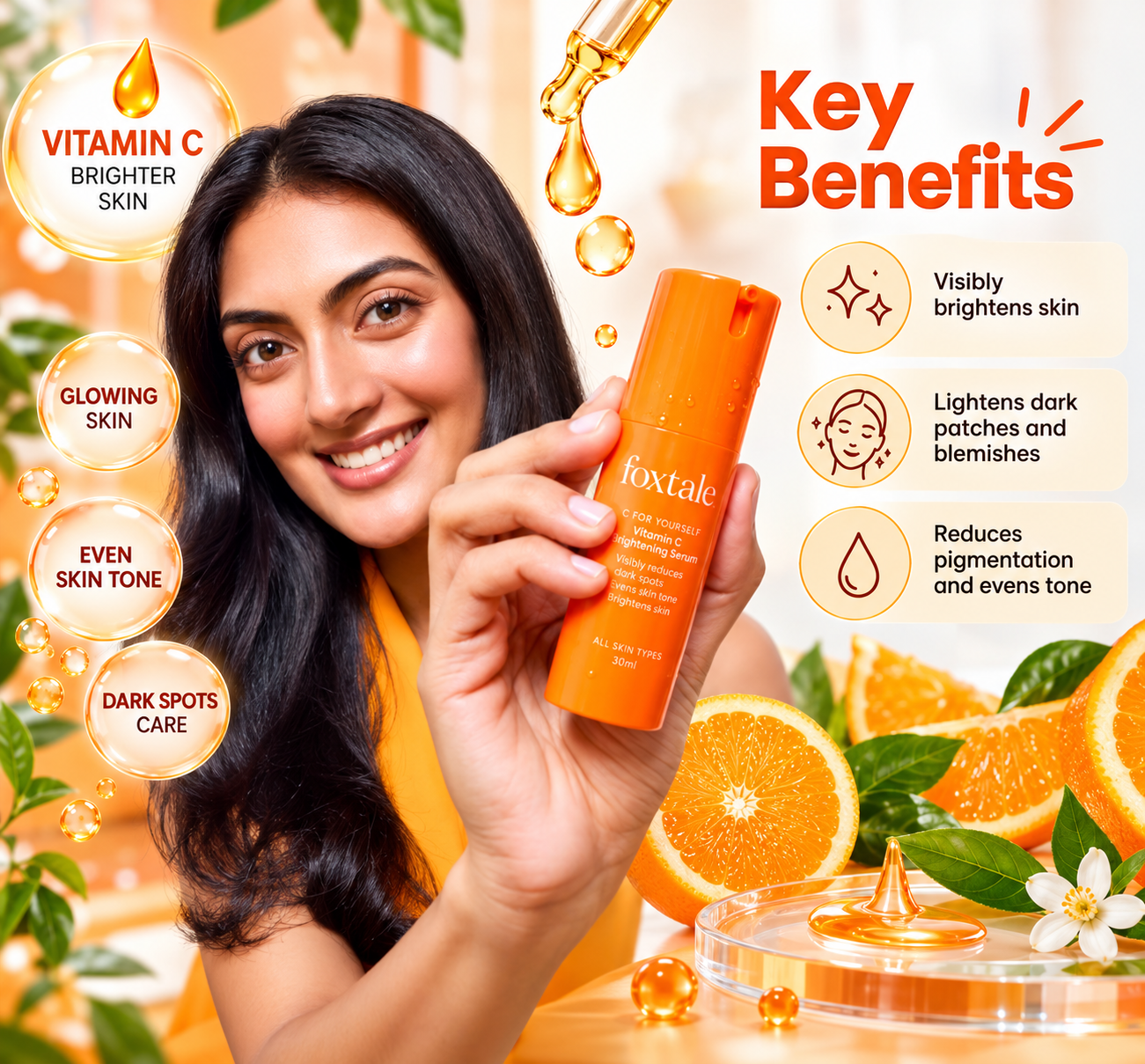
7. Foxtale De-Tan & Brighten Serum
Best for: Tanning and uneven skin tone
Brightening serums that combine multiple pigmentation-focused ingredients can be useful when tanning and uneven complexion are the primary concerns.
Why consider it:
- Designed for dull and uneven skin
- Useful for tanning concerns
- Lightweight skincare option
- Easy to include in a daily routine
8. AXIS-Y Dark Spot Correcting Glow Serum
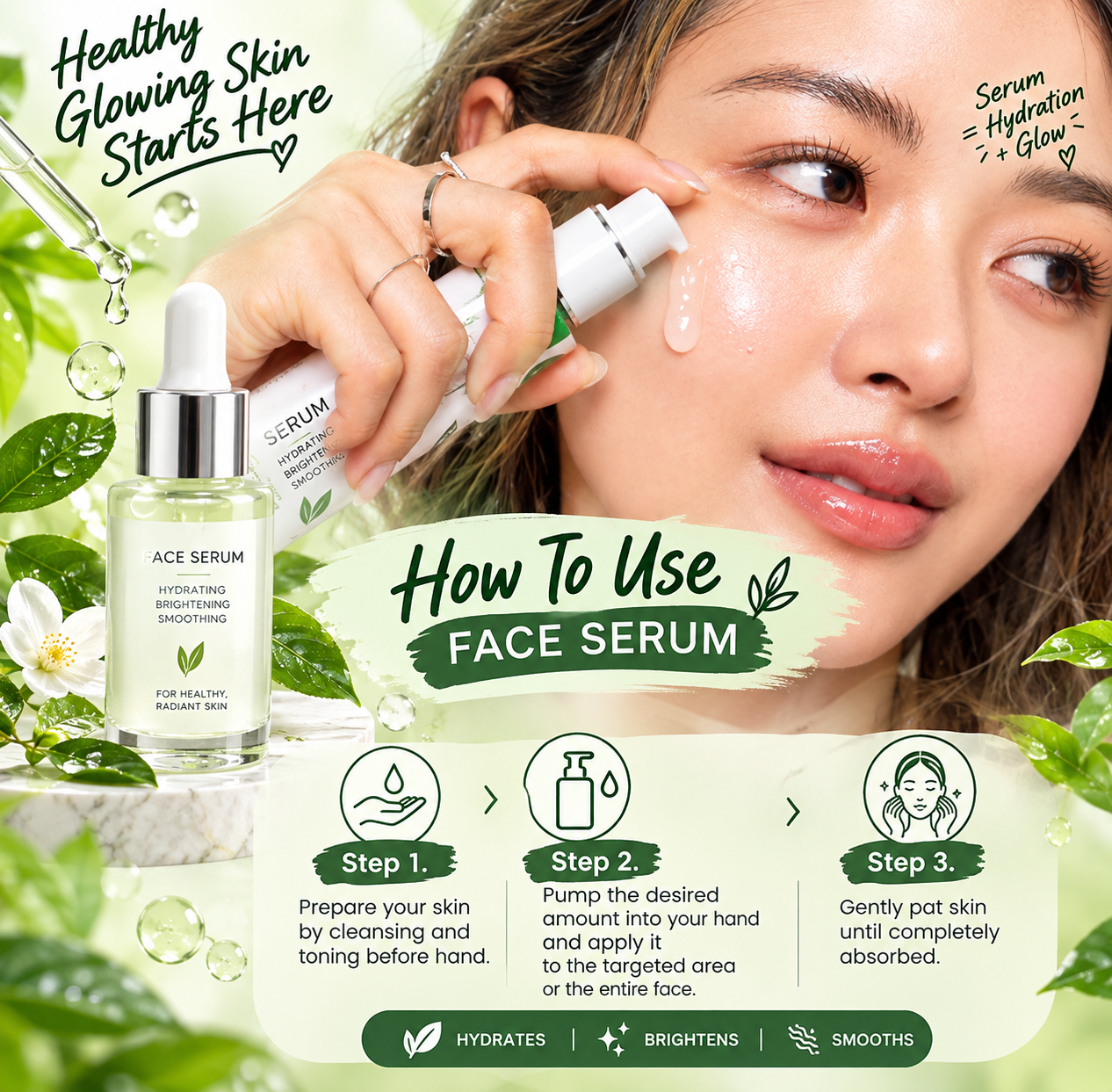
Best for: Dark spots and sensitive skin
This serum is popular among people looking for a gentler brightening product. It combines niacinamide with hydrating and soothing ingredients.
Why consider it:
- Niacinamide-based
- Helps improve uneven-looking skin
- Hydrating
- Suitable for a simple brightening routine
9. Azelaic Acid Serum
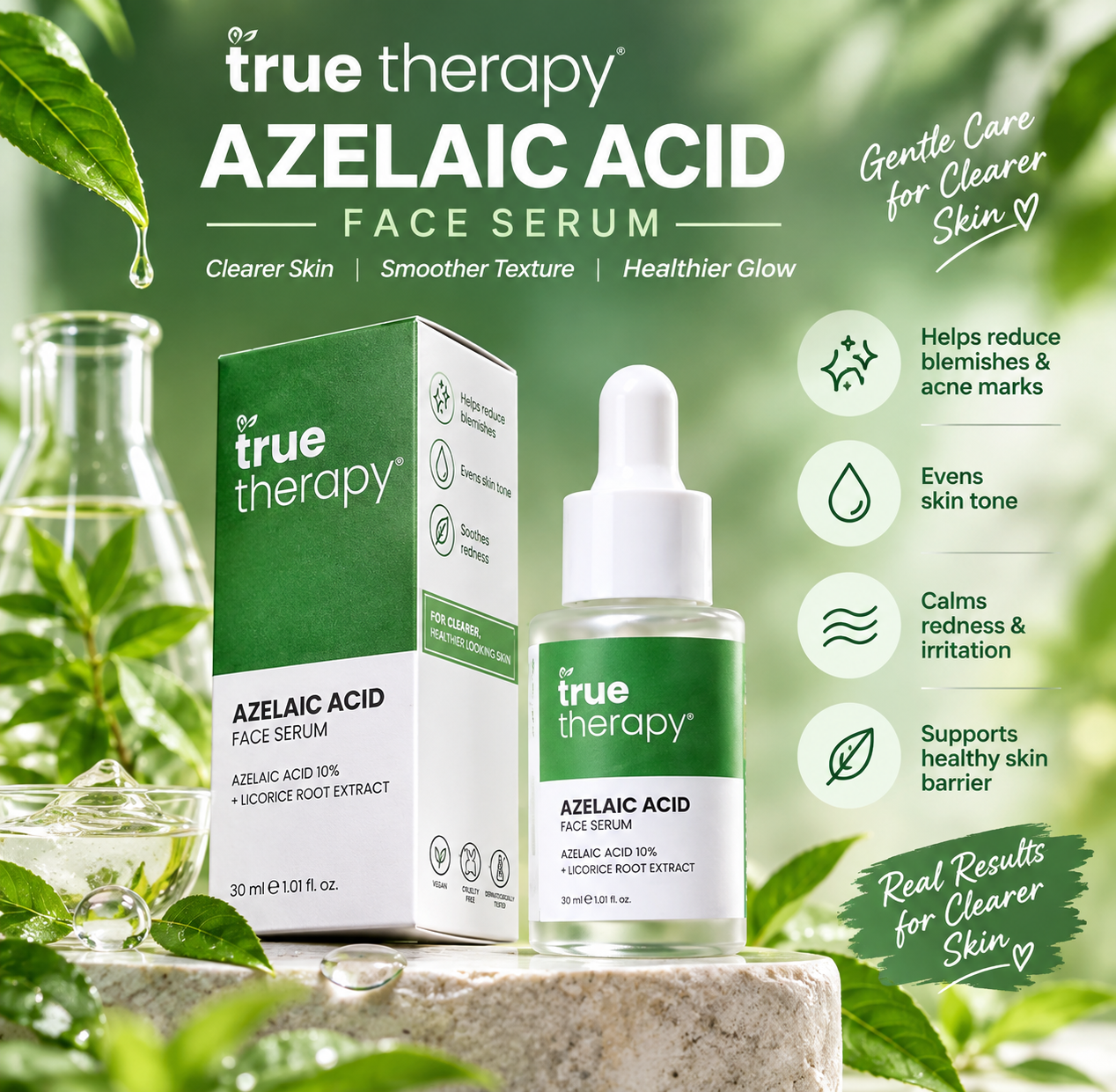
Best for: Acne marks + pigmentation
Azelaic acid is particularly interesting if you have both acne and pigmentation. It has anti-inflammatory and pigment-reducing properties and can help with post-inflammatory hyperpigmentation.
Why consider it:
- Helps acne-prone skin
- Helps post-acne pigmentation
- Anti-inflammatory properties
- Useful for uneven skin tone
10. Fixderma Pigment Correcting Serum
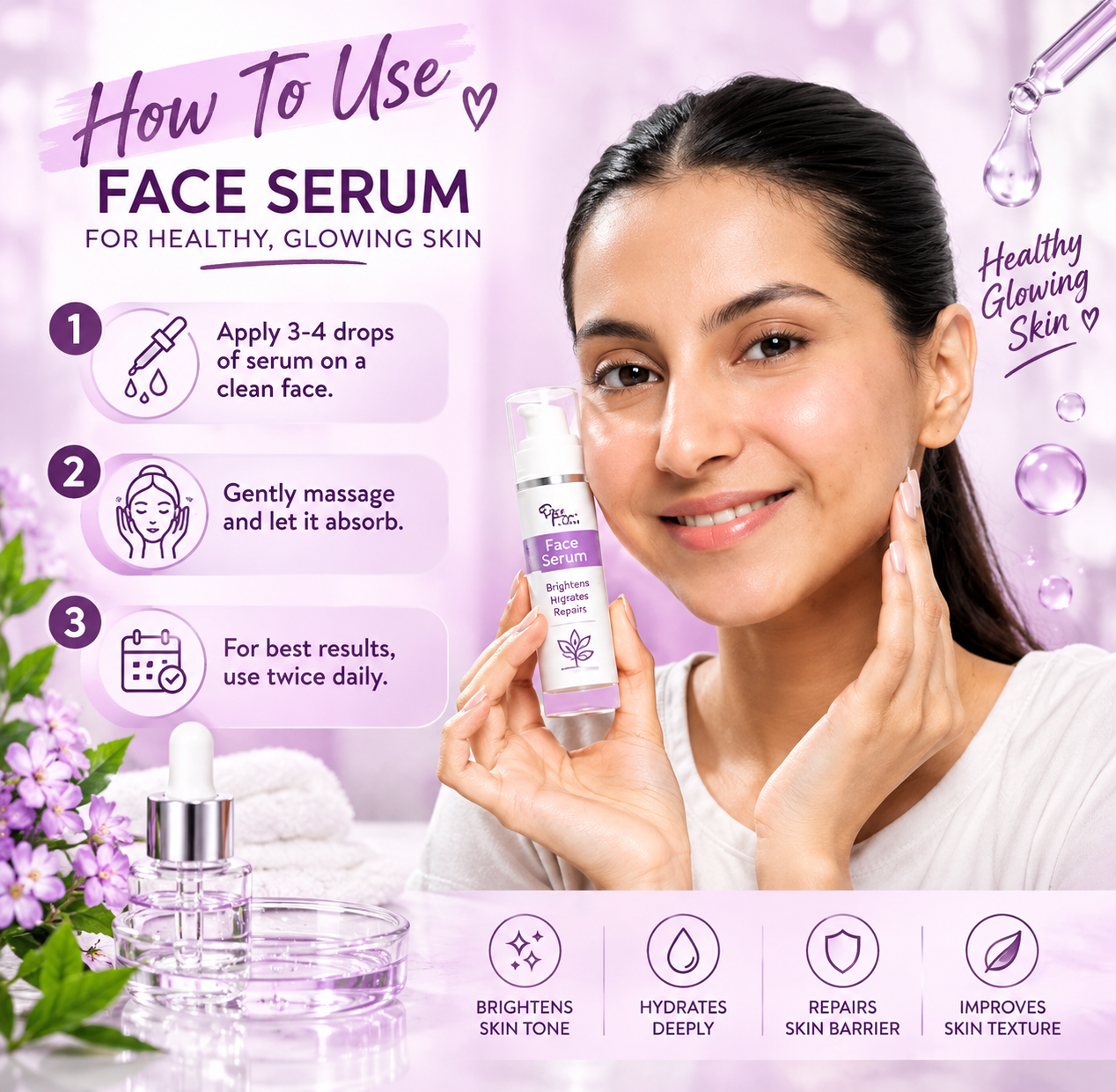
Best for: Daily pigmentation care
Pigment-correcting formulas can be useful for people who want a targeted serum without building a routine around several different active ingredients.
Why consider it:
- Designed for pigmentation
- Helps address uneven complexion
- Easy to incorporate into a skincare routine
- Suitable for targeted use
Best Serum According to Your Concern
| Skin Concern | Ingredient to Look For |
|---|---|
| Dark spots | Tranexamic acid / Alpha arbutin |
| Acne marks | Azelaic acid / Niacinamide |
| Sun spots | Vitamin C / Kojic acid |
| Tanning | Vitamin C / Glycolic acid |
| Uneven skin tone | Niacinamide / Alpha arbutin |
| Melasma | Tranexamic acid / Azelaic acid / Kojic acid |
| Dull skin | Vitamin C / Glycolic acid |
| Sensitive skin | Niacinamide / Azelaic acid |
| Stubborn pigmentation | Tranexamic acid / dermatologist-guided treatment |
Indian expert consensus supports several of these ingredients—including kojic acid, arbutin, azelaic acid, niacinamide, vitamin C and topical tranexamic acid—for pigmentation disorders, although the appropriate treatment depends on the type and severity of pigmentation.
How to Choose the Best Pigmentation Serum
Don’t choose a serum only because its label says “brightening.” Look at the active ingredients.
For acne marks
Look for:
- Niacinamide
- Azelaic acid
- Tranexamic acid
- Alpha arbutin
For sun pigmentation
Look for:
- Vitamin C
- Kojic acid
- Alpha arbutin
- Tranexamic acid
For melasma
Melasma can be more complicated than ordinary dark spots. A dermatologist may recommend ingredients such as azelaic acid, kojic acid, vitamin C, tranexamic acid or prescription treatments depending on the condition.
How to Use a Serum for Dark Spots
A simple routine is usually better than using several strong actives together.
Morning
Step 1: Gentle cleanser
Step 2: Pigmentation serum
Step 3: Moisturizer
Step 4: Broad-spectrum sunscreen SPF 30 or higher
Sunscreen is particularly important because UV and visible light can worsen pigmentation. The AAD recommends broad-spectrum SPF 30+ and notes that tinted sunscreen containing iron oxides can be especially helpful for dark spots because visible light can contribute to pigmentation.
Night
Step 1: Cleanser
Step 2: Pigmentation serum
Step 3: Moisturizer
If you’re using a retinoid or exfoliating acid, introduce it gradually rather than adding several active ingredients at once.
How Long Does It Take to Fade Dark Spots?
Don’t expect pigmentation to disappear overnight.
A dark spot may take months to fade, especially when the pigmentation is deeper. The AAD notes that some dark spots can naturally take 6–12 months to fade, while deeper discoloration can take considerably longer.
Consistency is therefore more important than using a very strong serum occasionally.
Important: Sunscreen Is Essential
One of the biggest mistakes people make is using a pigmentation serum but skipping sunscreen.
Sun exposure can increase melanin production and make existing pigmentation darker. Dermatologists consider sun protection a fundamental part of treating dark spots and melasma.
For daytime, use:
Serum → Moisturizer → SPF 30+ sunscreen
And reapply sunscreen when you’re spending extended time outdoors.
Can You Use Multiple Pigmentation Serums Together?
It’s usually not necessary.
For example, don’t immediately combine:
- Vitamin C
- Glycolic acid
- Kojic acid
- Retinol
- Tranexamic acid
- Azelaic acid
all in the same routine.
Too many actives can irritate the skin. For people with darker skin tones, irritation itself can trigger additional hyperpigmentation. The AAD specifically advises introducing retinoids slowly and watching for irritation.
A better approach is to start with one main pigmentation active, monitor your skin, and build the routine gradually.
Common Mistakes to Avoid
❌ Skipping sunscreen
This can make pigmentation harder to control.
❌ Using too many acids
More exfoliation doesn’t automatically mean faster results.
❌ Picking acne
Inflammation from acne can leave post-inflammatory dark marks.
❌ Scrubbing dark spots
Harsh scrubbing can irritate the skin and potentially worsen pigmentation.
❌ Expecting instant results
Pigmentation generally requires consistent treatment over time.
❌ Buying unverified “fairness” products
Avoid products with questionable ingredients or unclear labeling. The AAD warns that some skin-lightening products have been found to contain undeclared steroids or mercury.
Best Ingredients for Pigmentation
⭐ Vitamin C
Good for antioxidant protection, brightness and dark spots.
⭐ Niacinamide
A versatile ingredient that can help improve uneven tone while supporting the skin barrier.
⭐ Alpha Arbutin
Useful for pigmentation-focused routines.
⭐ Tranexamic Acid
A popular ingredient for stubborn pigmentation and melasma-focused skincare.
⭐ Azelaic Acid
Especially useful when acne and pigmentation occur together.
⭐ Kojic Acid
A well-established brightening ingredient used for pigmentation.
⭐ Retinoids
Can improve dark spots and skin texture, but should be introduced gradually. Retinoids should not be used during pregnancy.
Who Should See a Dermatologist?
Consider professional advice if:
- Pigmentation is spreading quickly
- Dark patches are symmetrical or persistent
- You suspect melasma
- OTC products haven’t helped after consistent use
- Your skin becomes irritated or burns
- Pigmentation repeatedly returns
- You have severe acne with dark marks
Melasma in particular can be chronic and often requires a personalized treatment plan.
Final Thoughts
The best serum for pigmentation and dark spots isn’t necessarily the strongest serum. The right choice depends on whether your main concern is acne marks, tanning, sun spots, melasma or general uneven skin tone.
For beginners, niacinamide, alpha arbutin or vitamin C can be good starting points. For more stubborn pigmentation, tranexamic acid, azelaic acid or kojic acid may be worth considering. And whatever serum you choose, daily sunscreen is essential for preventing pigmentation from becoming darker and helping your treatment work more effectively.