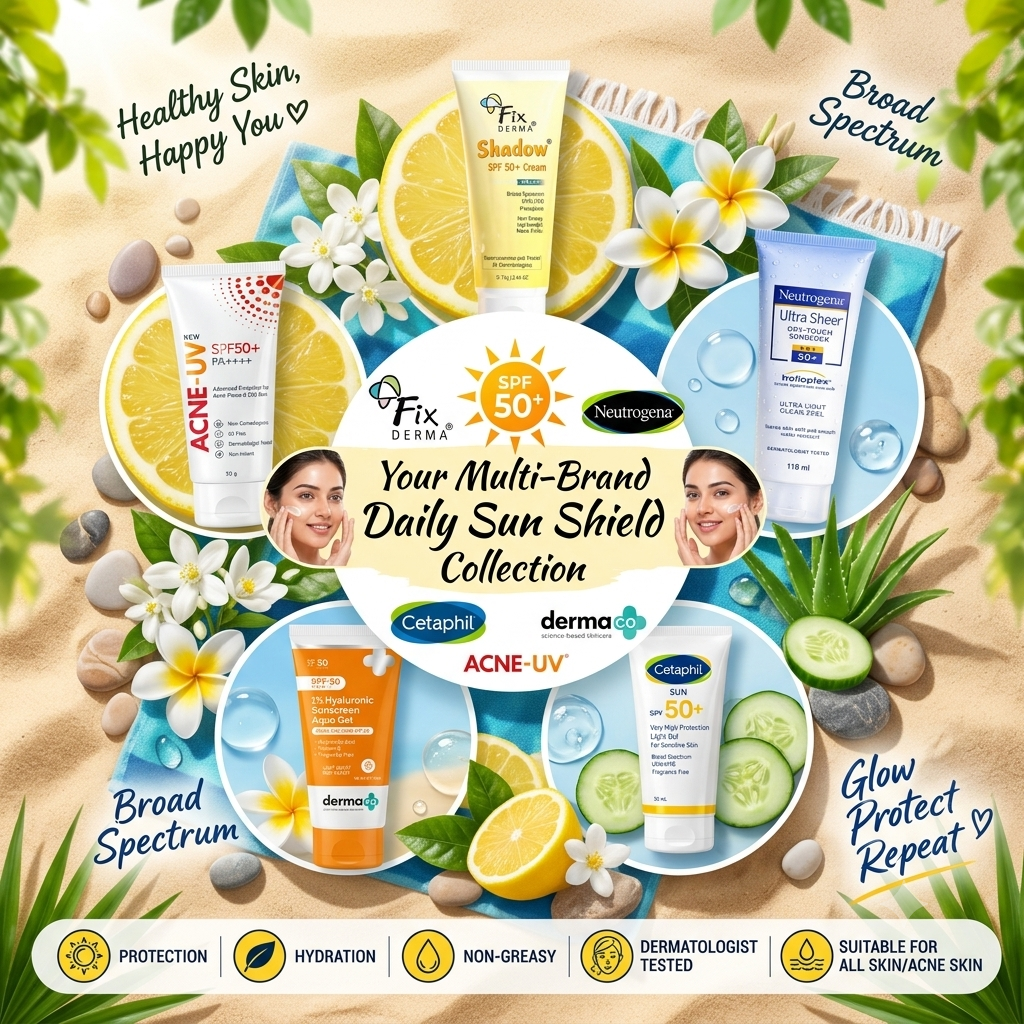
Best Sunscreen for Acne-Prone Skin in India
If you have acne-prone, oily, or combination skin, sunscreen is still an important part of your daily skincare routine. The key is choosing a formula that gives strong UVA/UVB protection without feeling greasy or contributing to clogged pores.
For Indian weather, SPF 50 with strong UVA protection (such as PA+++ or PA++++) is a practical choice, especially if you spend significant time outdoors. Lightweight gel, fluid, and matte textures are often easier to tolerate on oily or acne-prone skin.
What to Look for in a Sunscreen for Acne-Prone Skin
1. SPF 50
Choose SPF 50 or higher for everyday protection, particularly in India’s strong sunlight.
2. Broad-spectrum protection
Look for protection against both UVA and UVB rays. UVA is particularly important for pigmentation and long-term photoaging.
3. Non-comedogenic formula
A non-comedogenic sunscreen is designed to be less likely to clog pores. This is particularly useful if you frequently experience blackheads, whiteheads, or pimples.
4. Lightweight texture
Gel, fluid, aqua-gel, and matte formulas can be more comfortable than rich creams for oily and acne-prone skin.
5. Fragrance-free if your skin is sensitive
If your skin easily becomes irritated, a fragrance-free option may be preferable.
6. Water or sweat resistance
If you commute, exercise, or spend a lot of time outdoors, water/sweat resistance can make sunscreen more practical.
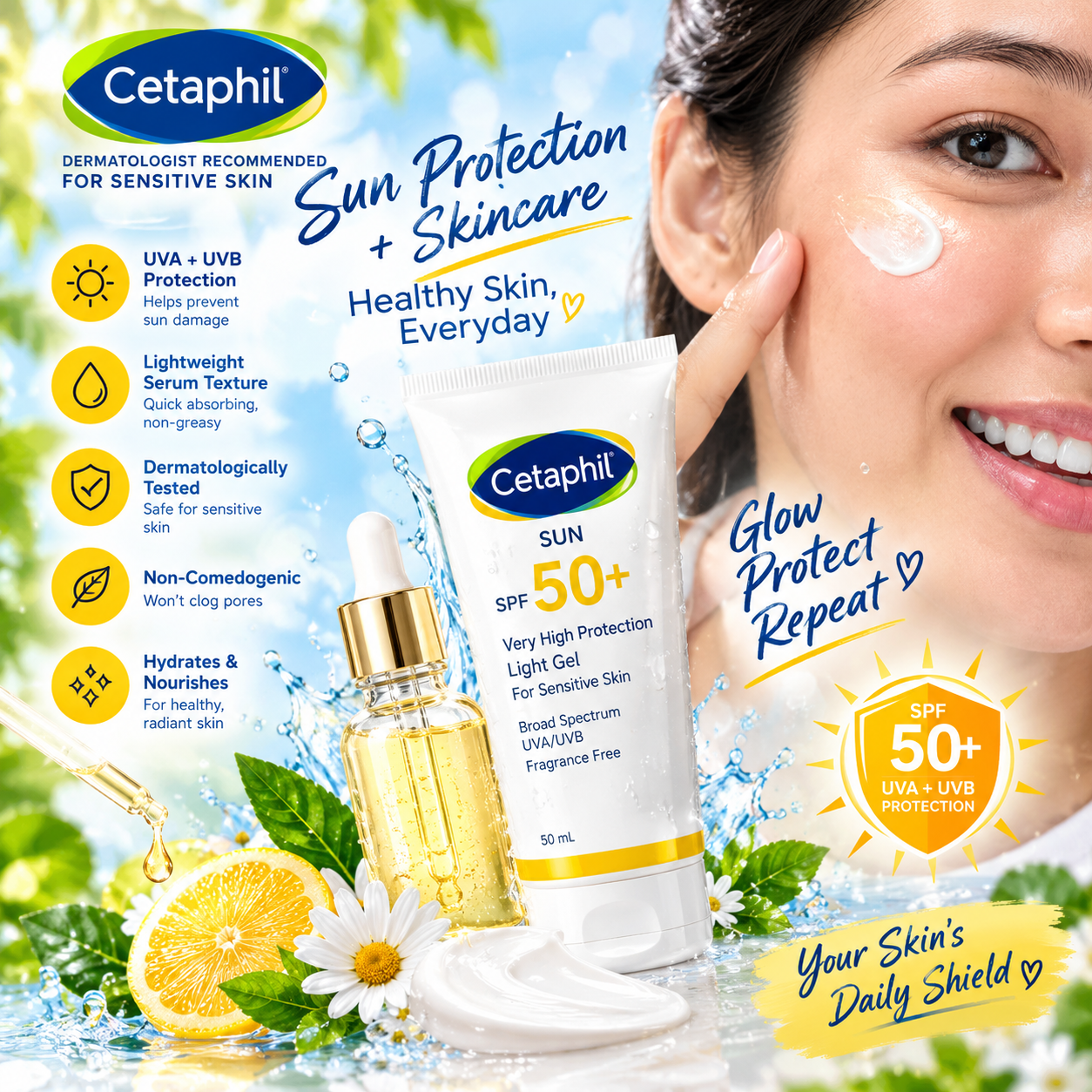
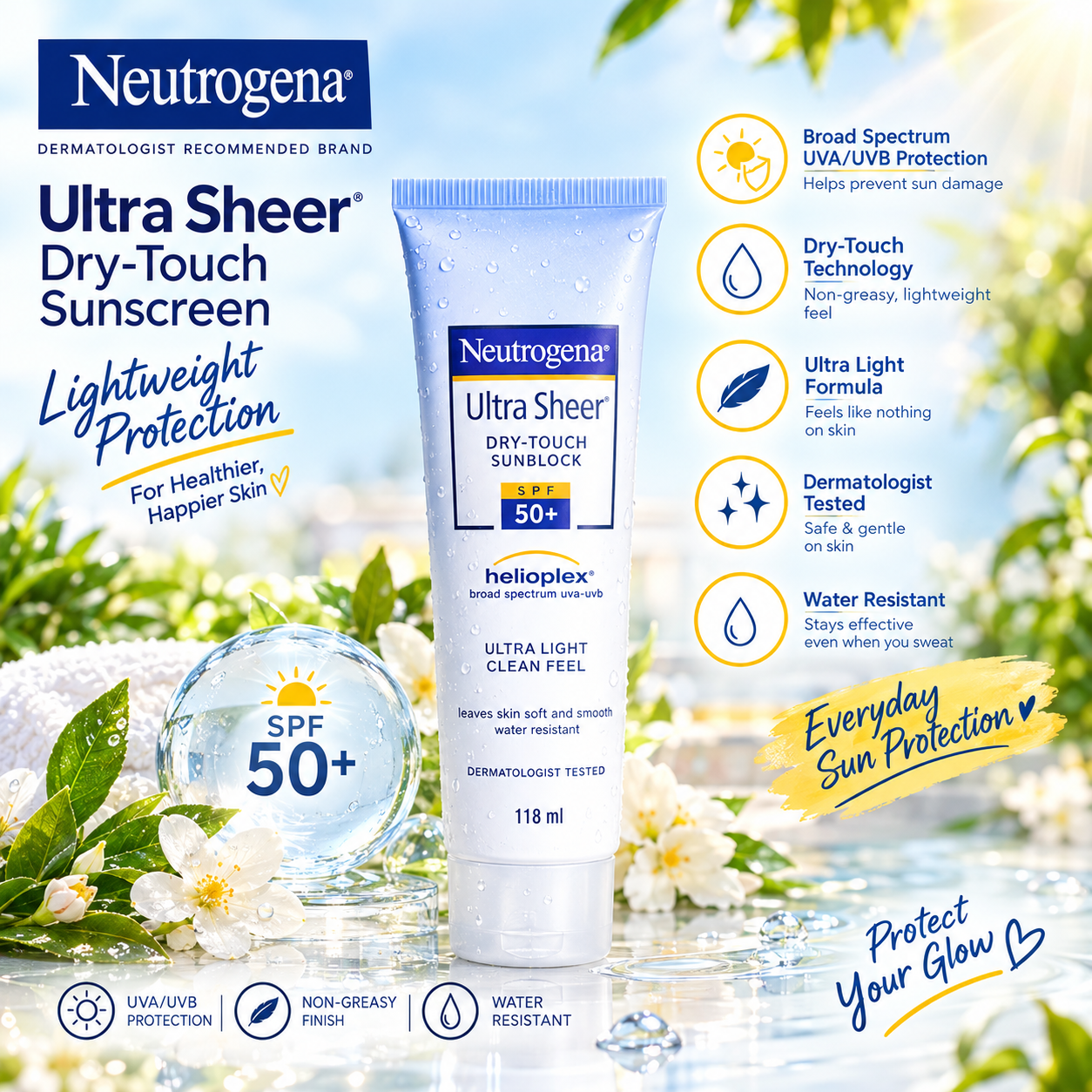
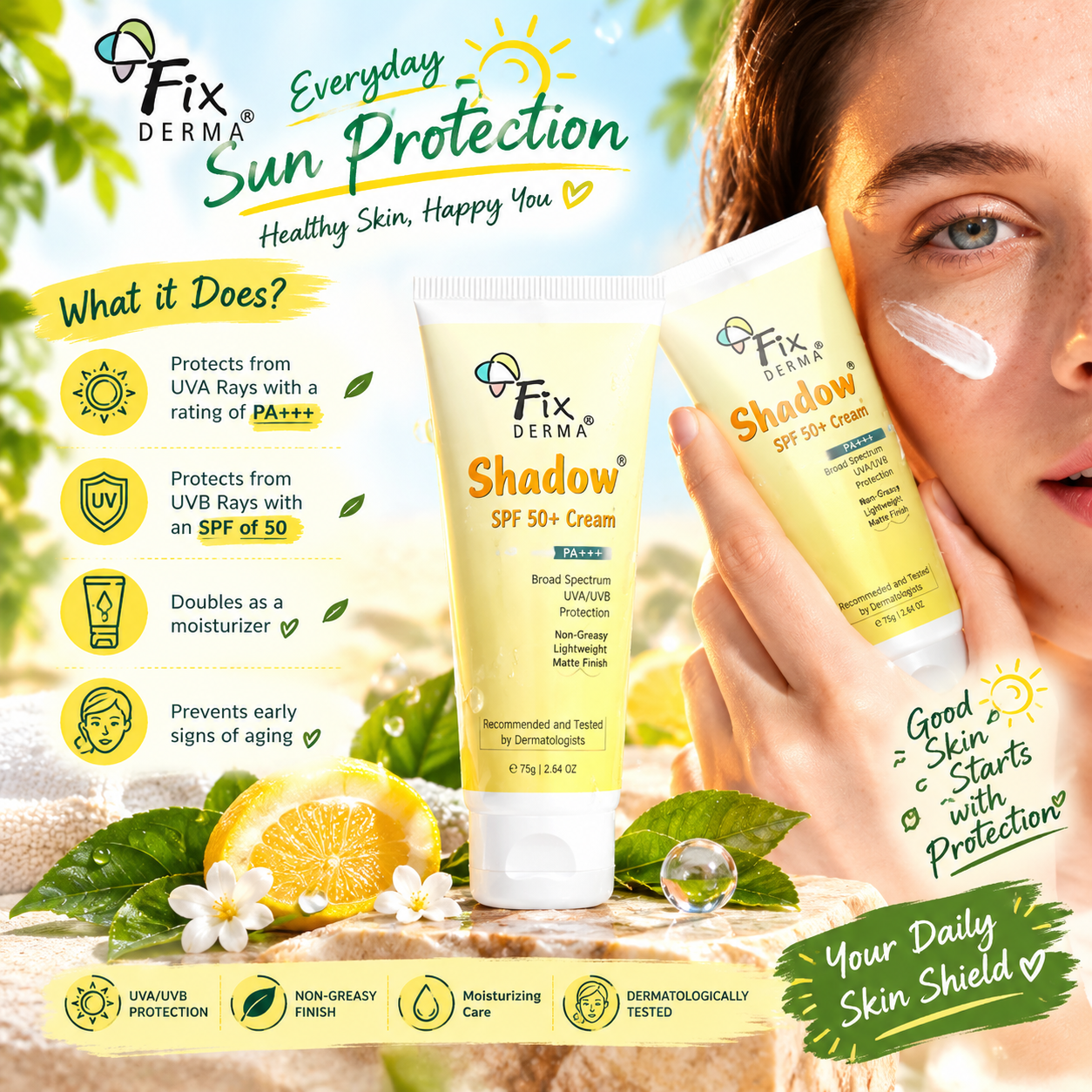
Pharmacy Sunscreens Worth Considering
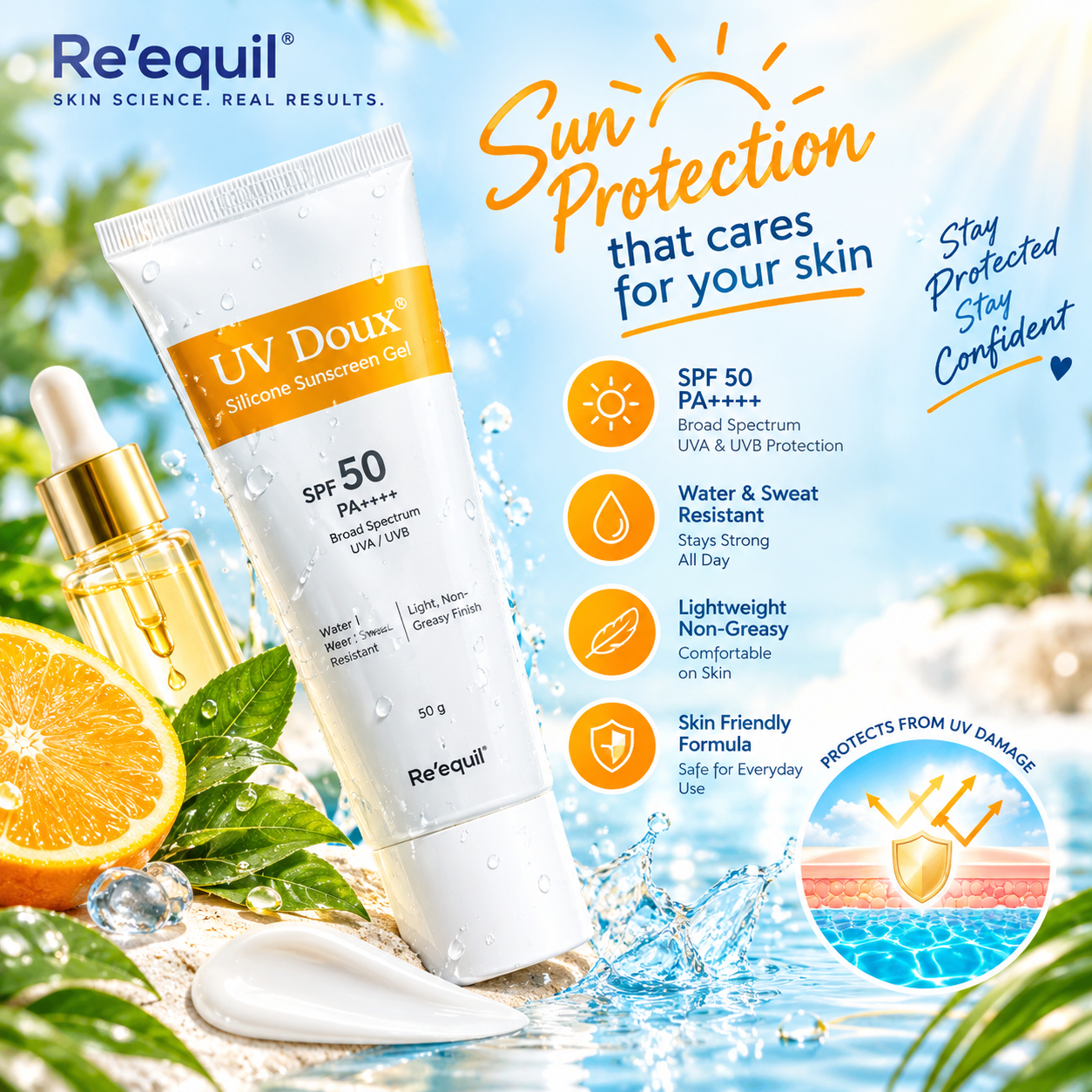
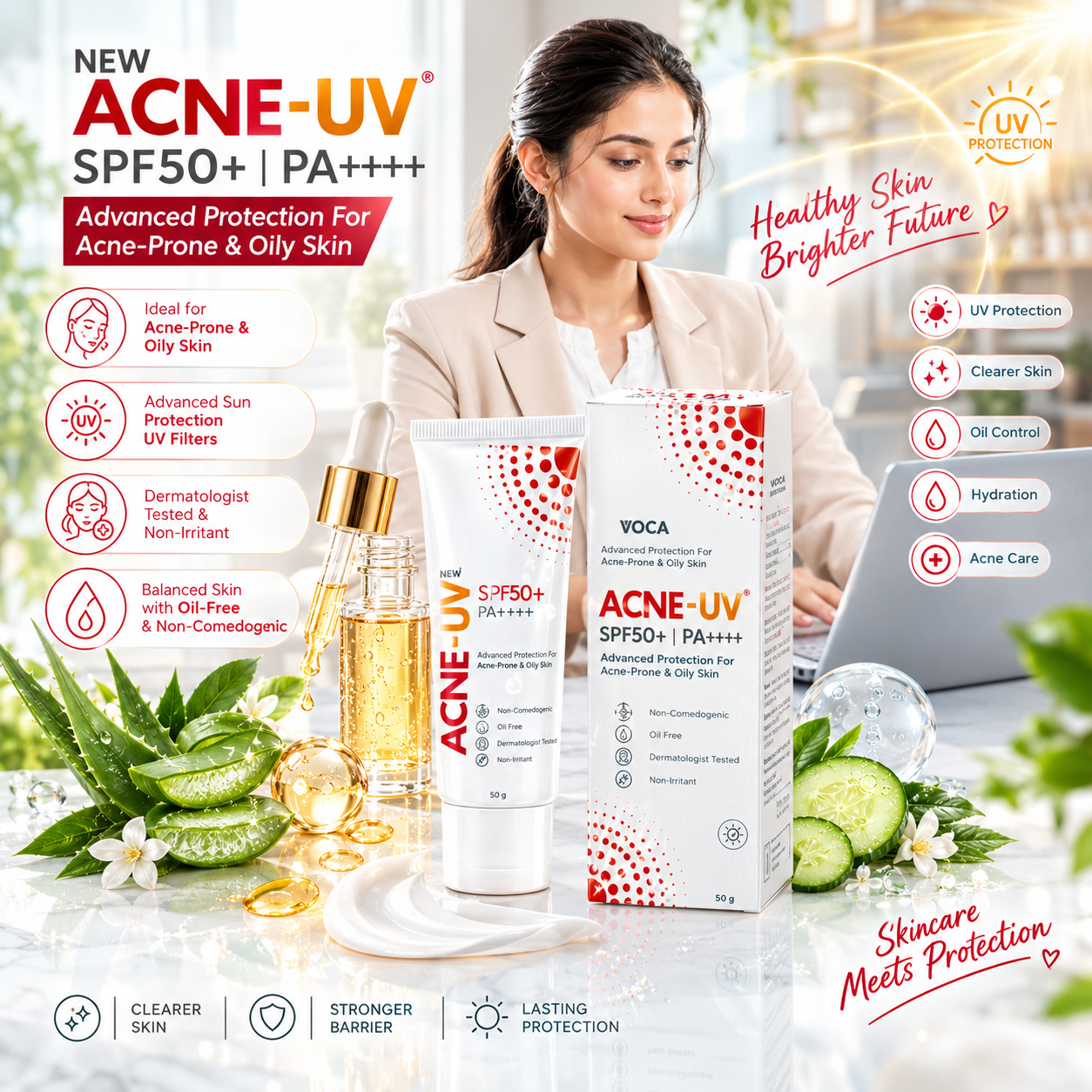
Some pharmacy-style sunscreen options are also frequently recommended for oily and acne-prone skin. These include Acne UV SPF 50, UV Doux Silicone Sunscreen Gel, Solasafe Silicone Sunscreen Gel, and La Shield.
For example, Acne UV SPF 50 is described as oil-free, non-comedogenic, lightweight, and mattifying, making it particularly targeted toward acne-prone and oily skin.
How to Apply Sunscreen on Acne-Prone Skin
Morning routine
Step 1: Cleanse your face with a gentle cleanser.
Step 2: Apply your acne treatment or serum if you use one.
Step 3: Apply moisturizer if your skin needs it.
Step 4: Apply sunscreen as the final skincare step.
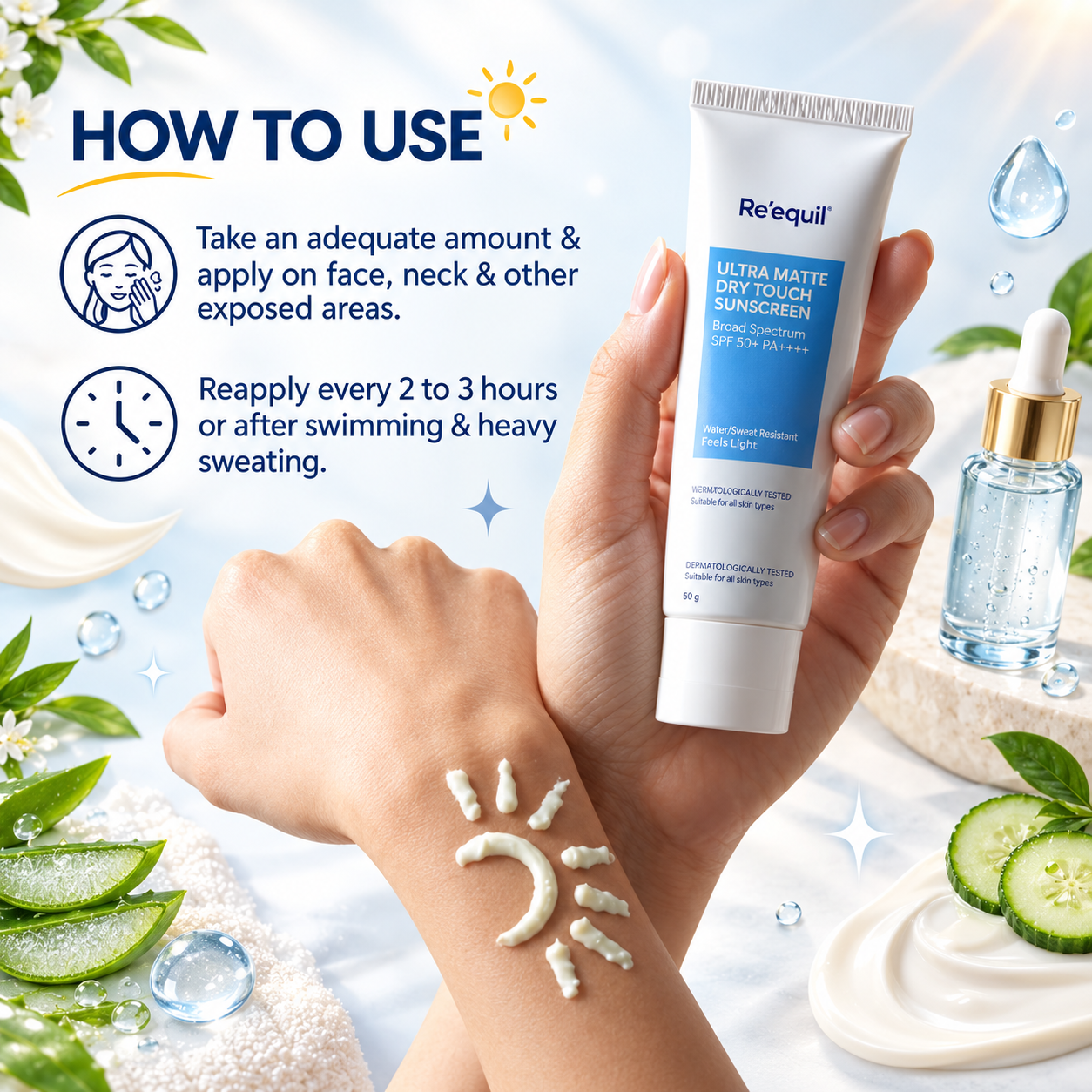
A commonly used practical guide is approximately two finger-lengths of sunscreen for the face and neck, although the exact amount depends on the product and area being covered.
Don’t forget these areas:
- Forehead
- Cheeks
- Nose
- Chin
- Jawline
- Ears
- Neck
How Often Should You Reapply?
If you’re outdoors, sweating, exercising, or exposed to significant sunlight, reapply regularly, especially after sweating or wiping your face.
For normal indoor days with minimal sun exposure, your routine may require fewer applications than a day spent outdoors.
Sunscreen and Acne Treatment
If you’re using acne treatments such as retinoids or benzoyl peroxide, consistent sun protection becomes especially important because these treatments can make some people’s skin more sensitive or irritated.
Don’t apply sunscreen directly over visibly open or irritated acne if the product causes burning. Instead, choose a gentle formulation and consider discussing persistent irritation with a dermatologist.
What to Avoid
If you’re acne-prone, be cautious with sunscreens that:
- Feel extremely greasy
- Leave a very heavy film
- Cause repeated breakouts
- Irritate your skin
- Have a fragrance that bothers you
- Pill heavily when layered with your skincare
- Make you uncomfortable enough that you stop using sunscreen
Remember, “non-comedogenic” doesn’t guarantee that a particular product will work for everyone. Individual skin reactions can differ.
Best Sunscreen by Skin Concern
| Skin Concern | What to Look For |
|---|---|
| Oily + acne-prone | Matte gel |
| Very oily skin | Oil-free/light gel |
| Acne + pigmentation | SPF 50, strong UVA protection |
| Sensitive acne-prone skin | Gentle, fragrance-free formula |
| Dry + acne-prone | Lightweight hydrating sunscreen |
| Outdoor activities | Water/sweat-resistant SPF 50 |
| Under makeup | Lightweight fluid or gel |
| Easily clogged pores | Non-comedogenic formula |
My Overall Pick
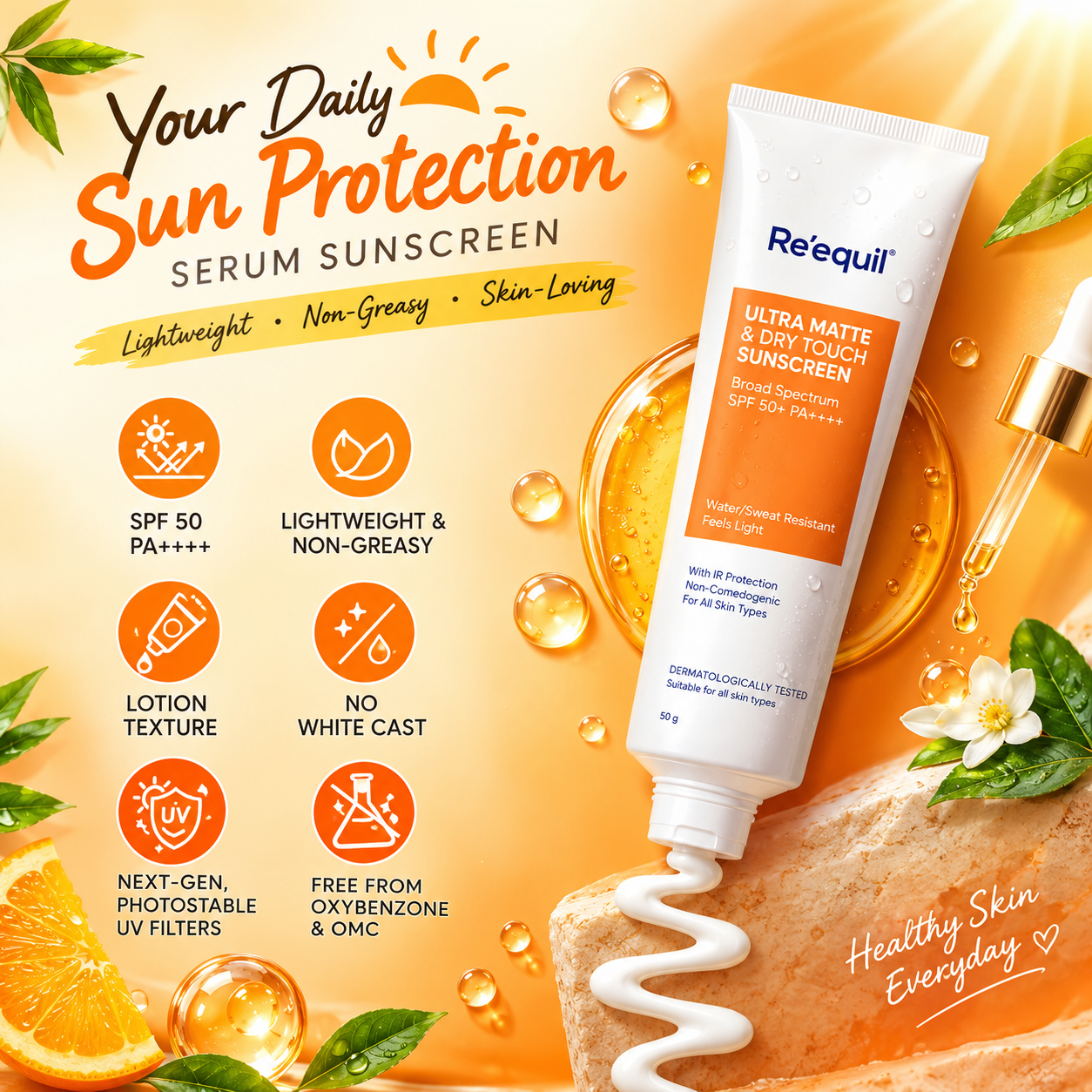
For oily, acne-prone skin, I would prioritize a lightweight SPF 50/PA++++ gel or matte formula that is comfortable enough to use every day. Re’equil Ultra Matte, Acne UV, UV Doux, and similar acne/oily-skin-focused formulations are worth considering.
The most important thing isn’t simply buying the “best” sunscreen—it’s finding one that doesn’t irritate or congest your skin and that you’ll actually apply generously and consistently.
Important Note
No sunscreen can guarantee that you won’t get acne. If you have persistent, painful, cystic, or worsening acne, sunscreen should complement—not replace—proper acne treatment from a dermatologist.
Final Thoughts
Choosing the best sunscreen for acne-prone skin doesn’t have to be difficult. The ideal sunscreen should provide strong SPF 50 protection, feel lightweight on the skin, and ideally be non-comedogenic so it is less likely to contribute to clogged pores.
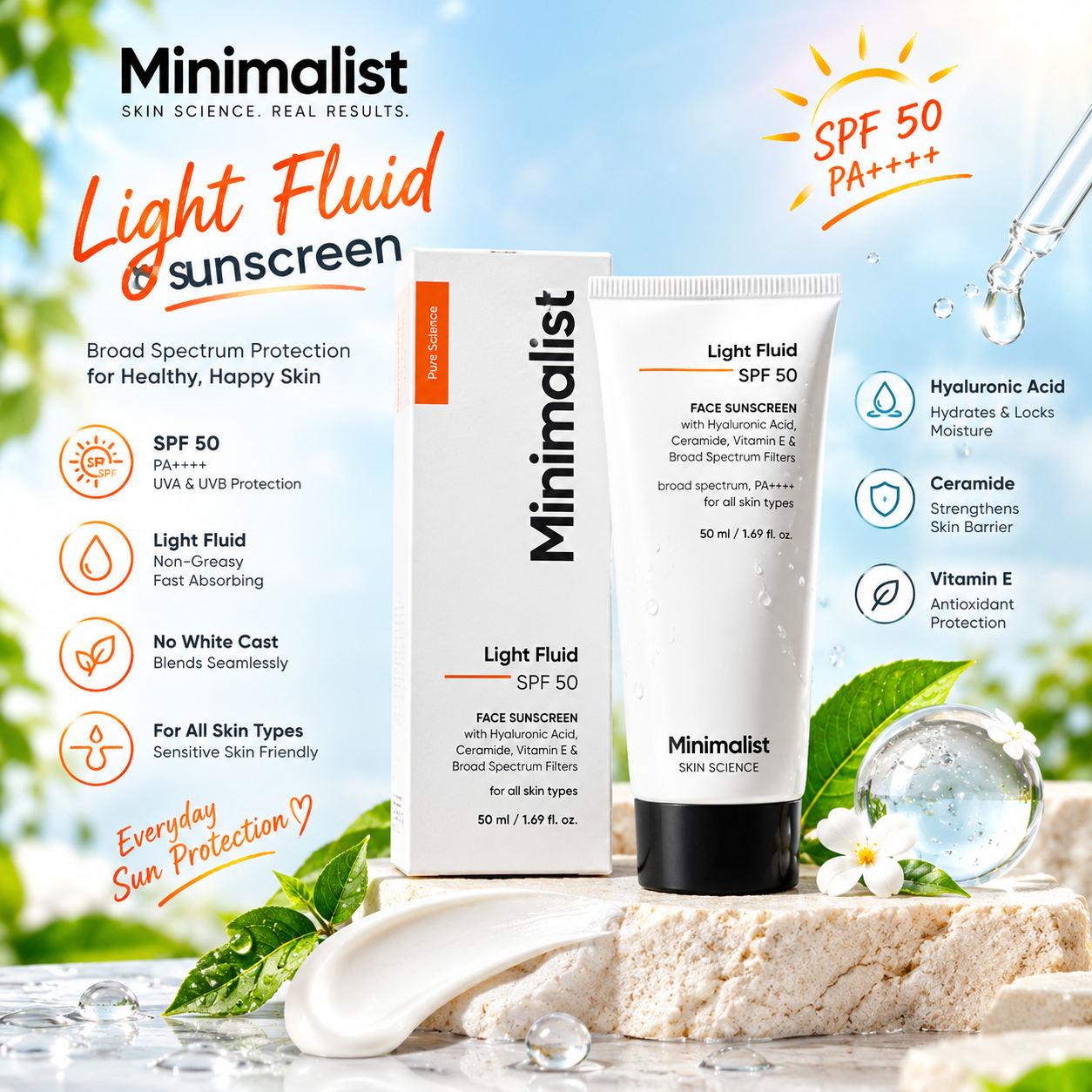
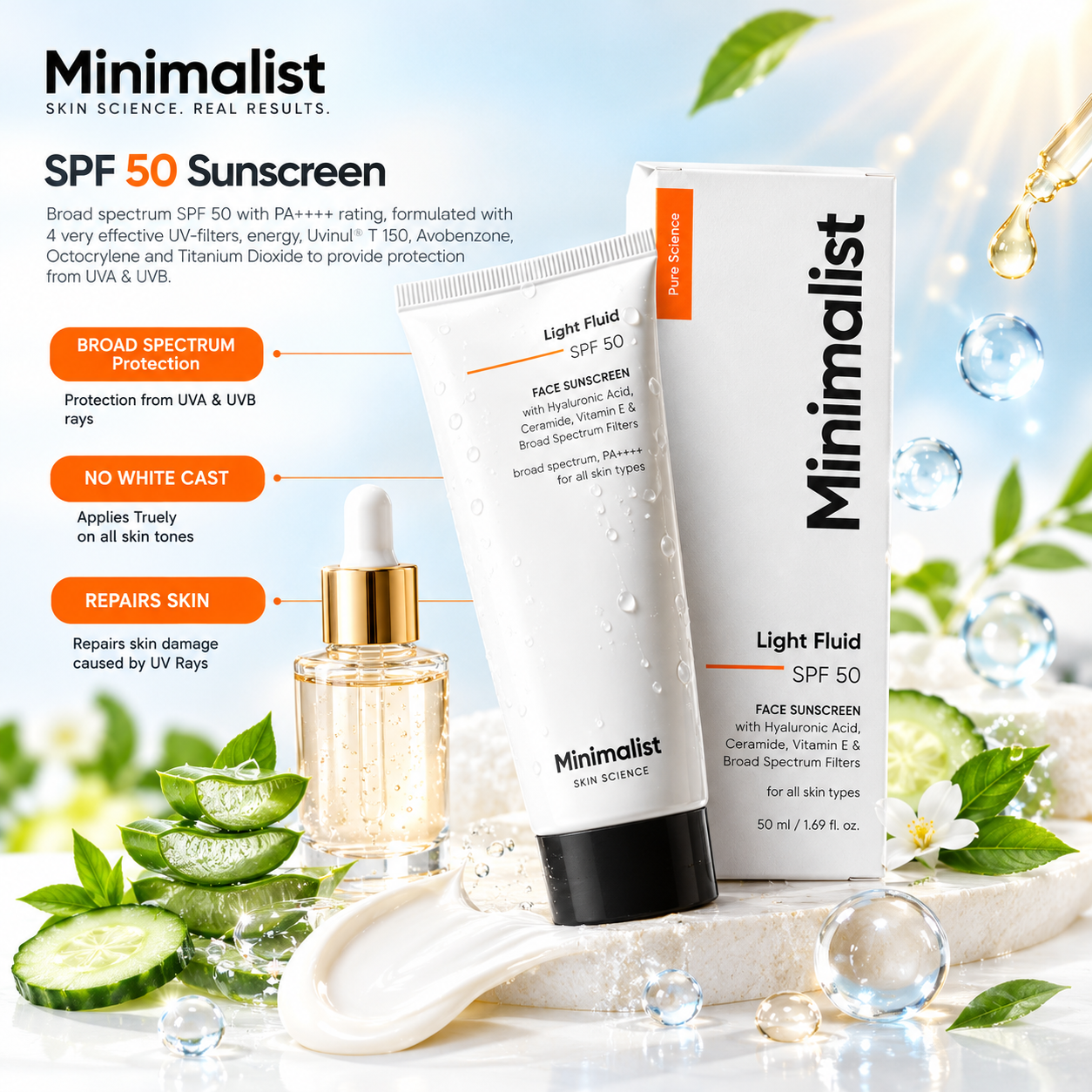
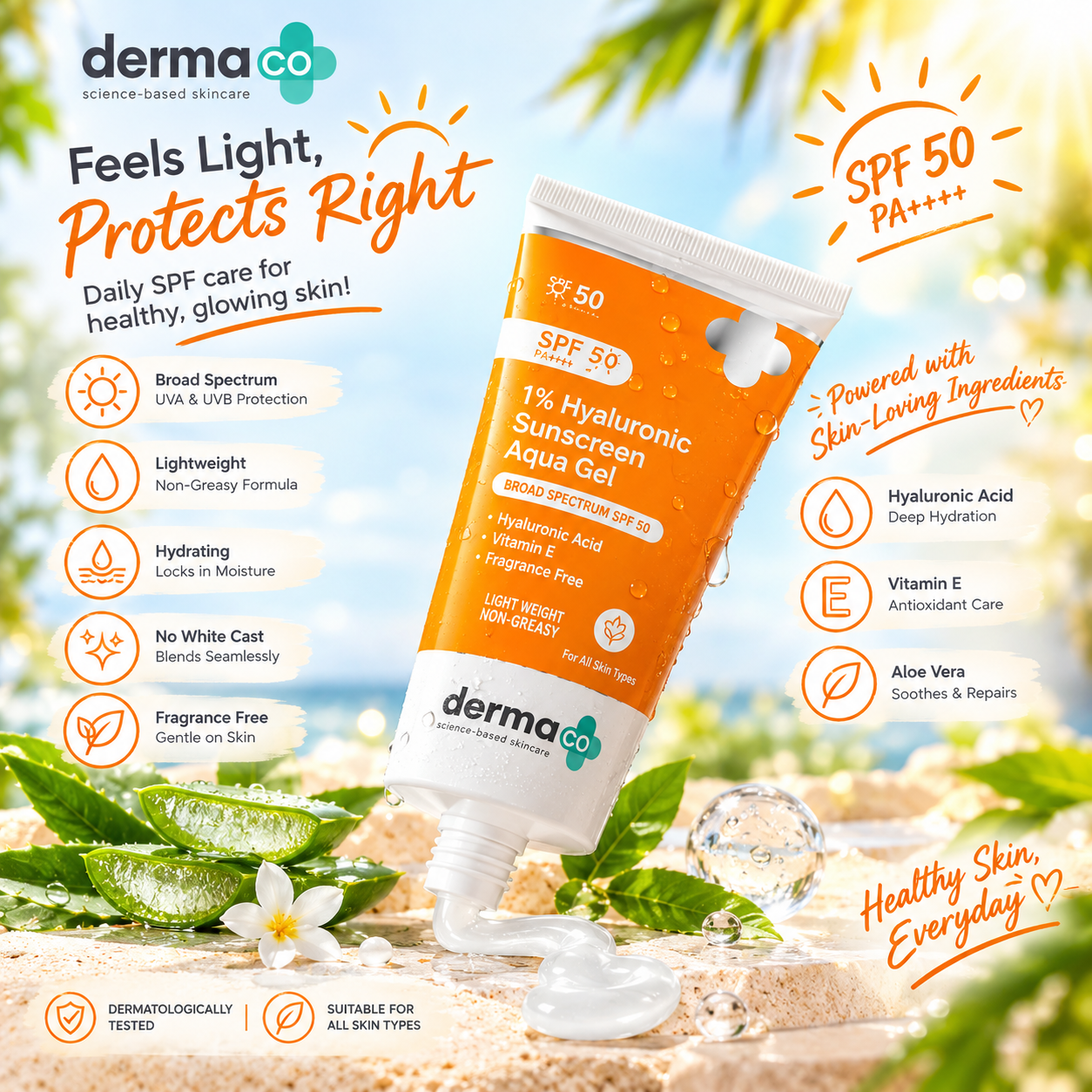
For oily and acne-prone skin, gel, matte, and lightweight fluid sunscreens are often more comfortable than heavy, greasy formulas. Options such as Re’equil Ultra Matte, Minimalist Light Fluid, UV Doux, Acne UV, The Derma Co Aqua Gel, and Fixderma Shadow Gel are worth considering based on your skin type and personal preferences.
Most importantly, choose a sunscreen that you enjoy wearing every day. Apply enough product to properly cover your face and neck, and reapply when you’re spending extended time outdoors, sweating, or swimming.
Remember, sunscreen isn’t only about preventing sunburn. Consistent sun protection can also help protect acne-prone skin from post-acne dark spots and uneven pigmentation becoming more noticeable.
The best sunscreen is ultimately the one that protects your skin, doesn’t irritate or congest it, and is comfortable enough for you to use consistently every day.