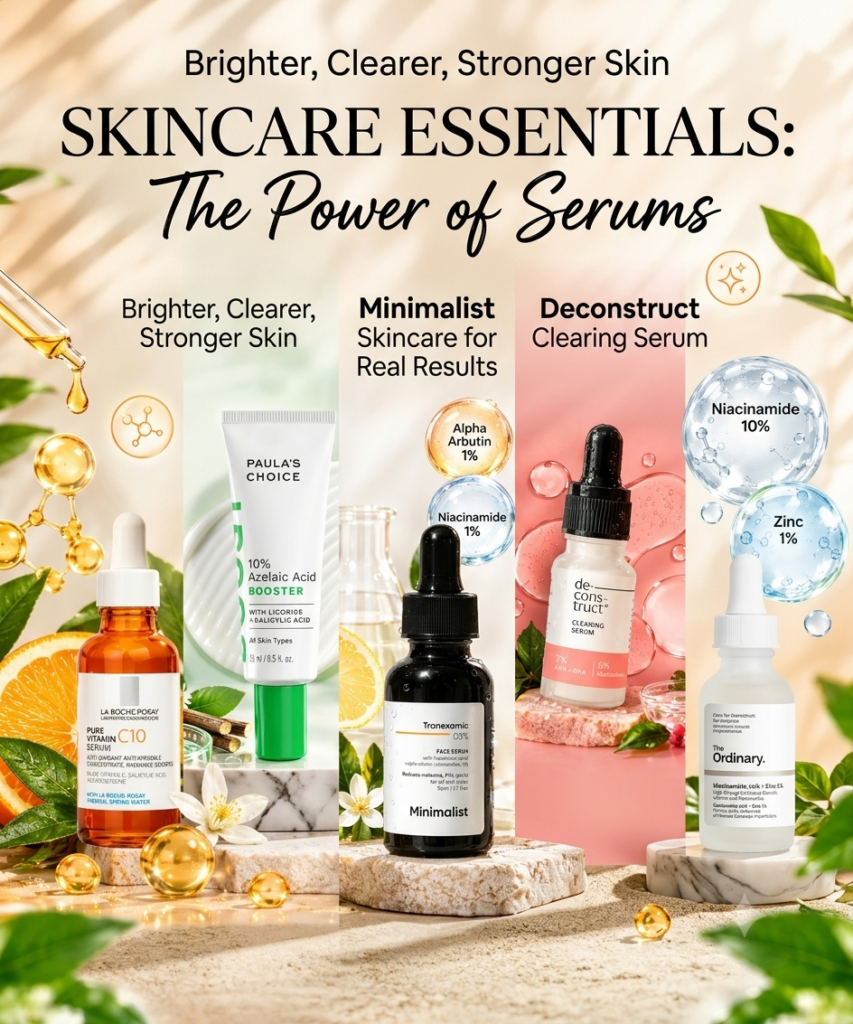
Best Serums for Acne Marks: Top Serums for Clearer, Brighter Skin
Acne marks are a common skincare concern. Even after pimples disappear, they can leave behind dark spots, red marks, and uneven skin tone. These marks may take weeks or months to fade, depending on your skin type, the severity of the acne, and your skincare routine.
The good news is that the right face serum can help improve the appearance of acne marks, brighten dull skin, and promote a more even-looking complexion. Ingredients such as niacinamide, vitamin C, azelaic acid, and alpha arbutin are popular choices for treating post-acne discoloration.
In this guide, we will explore the best serums for acne marks, the ingredients to look for, how to use them, and how to choose the right serum for your skin type.
What Are Acne Marks?
Acne marks are spots or discoloration that remain after a pimple heals. They are not all the same, so choosing the right treatment depends on the type of mark you have.
Top 10 Best Serums for Acne Marks in India
These products are worth considering for different acne-mark concerns, from dark spots and uneven skin tone to oily, acne-prone skin. The best choice depends on your skin’s sensitivity, the ingredients in the formula, and whether you still have active pimples.
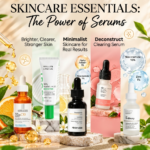
1. Minimalist 5% Niacinamide Face Serum
Best overall starting point
A good option for beginners who want to address mild acne marks, excess oil, and uneven-looking skin. Niacinamide can support the skin barrier and help improve the appearance of discoloration.
Best for: Oily, combination, and beginner skincare routines.
How to use: Start once daily after cleansing.
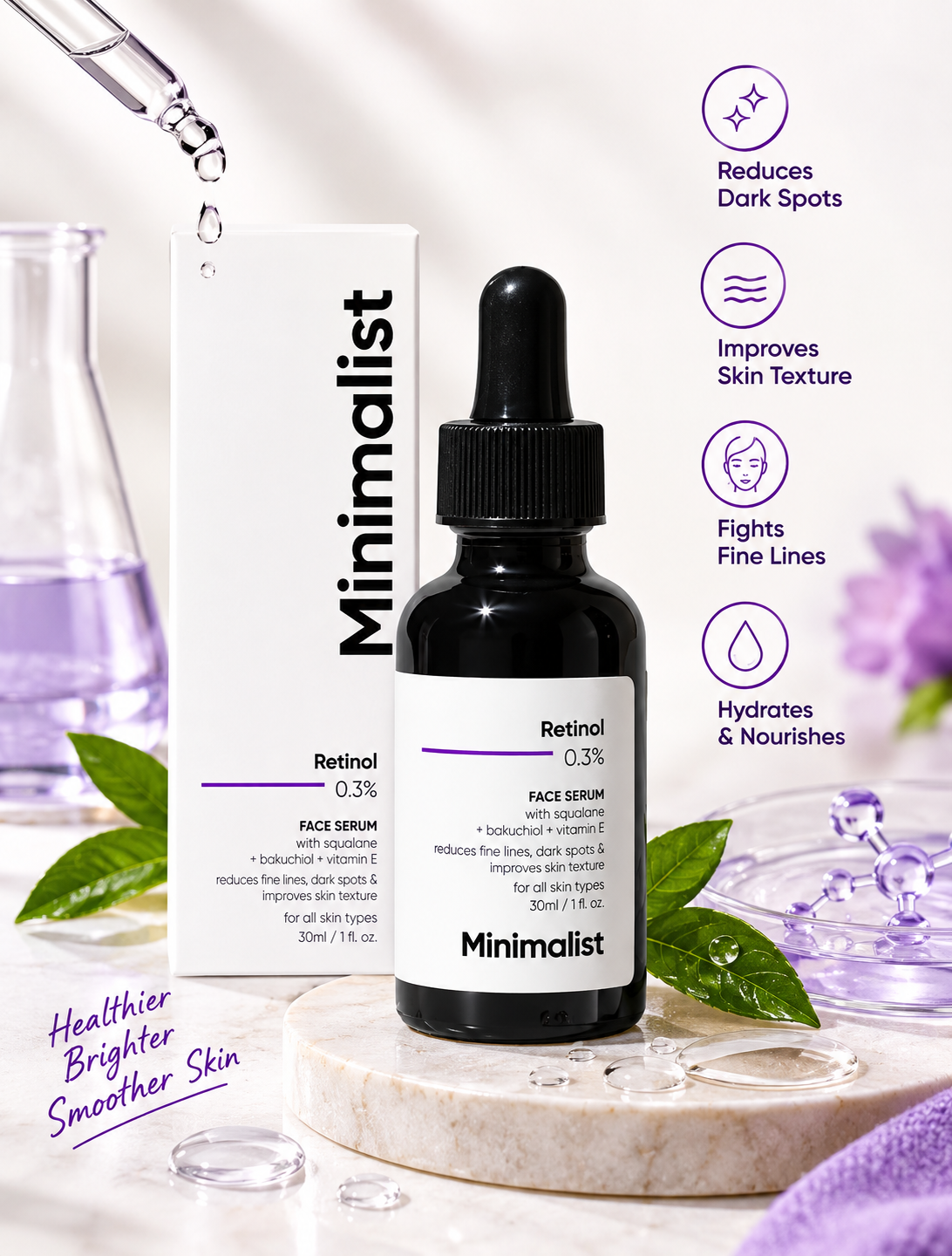
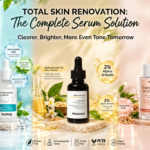
2. Deconstruct 2% Alpha Arbutin + 5% Niacinamide Clearing Serum
Combines two ingredients commonly used to improve uneven skin tone. Alpha arbutin targets the appearance of excess pigmentation, while niacinamide supports the skin barrier.
Best for: Flat brown acne marks and uneven skin tone.
How to use: Apply a small amount to clean, dry skin, then moisturize.
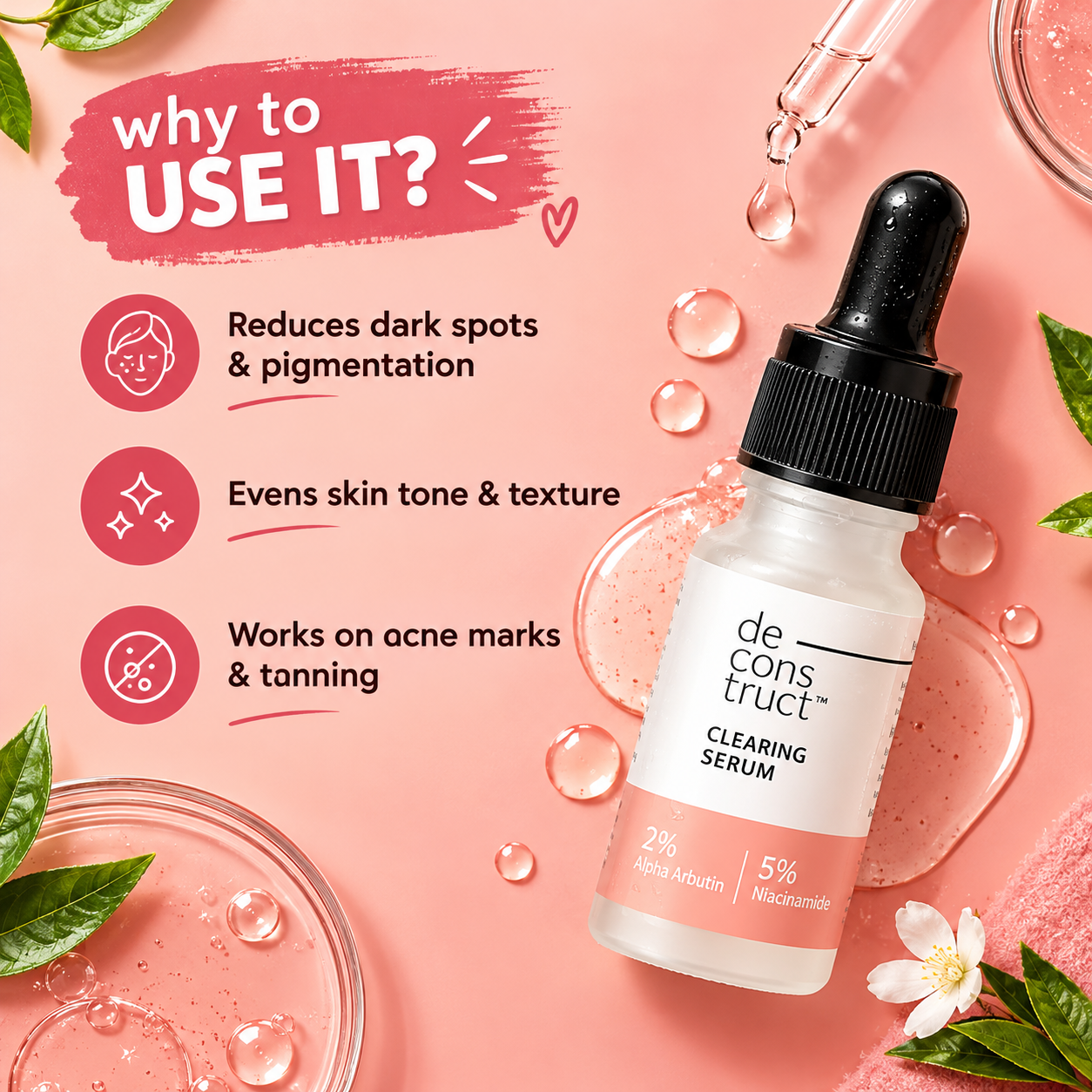
3. The Ordinary Azelaic Acid Suspension 10%
Azelaic acid is a useful ingredient for acne-prone skin with lingering dark marks. It can help improve pigmentation and also has anti-inflammatory properties.
Best for: Acne-prone skin with post-acne discoloration.
How to use: Introduce it gradually, following the product directions. This is a cream-like suspension rather than a traditional watery serum.
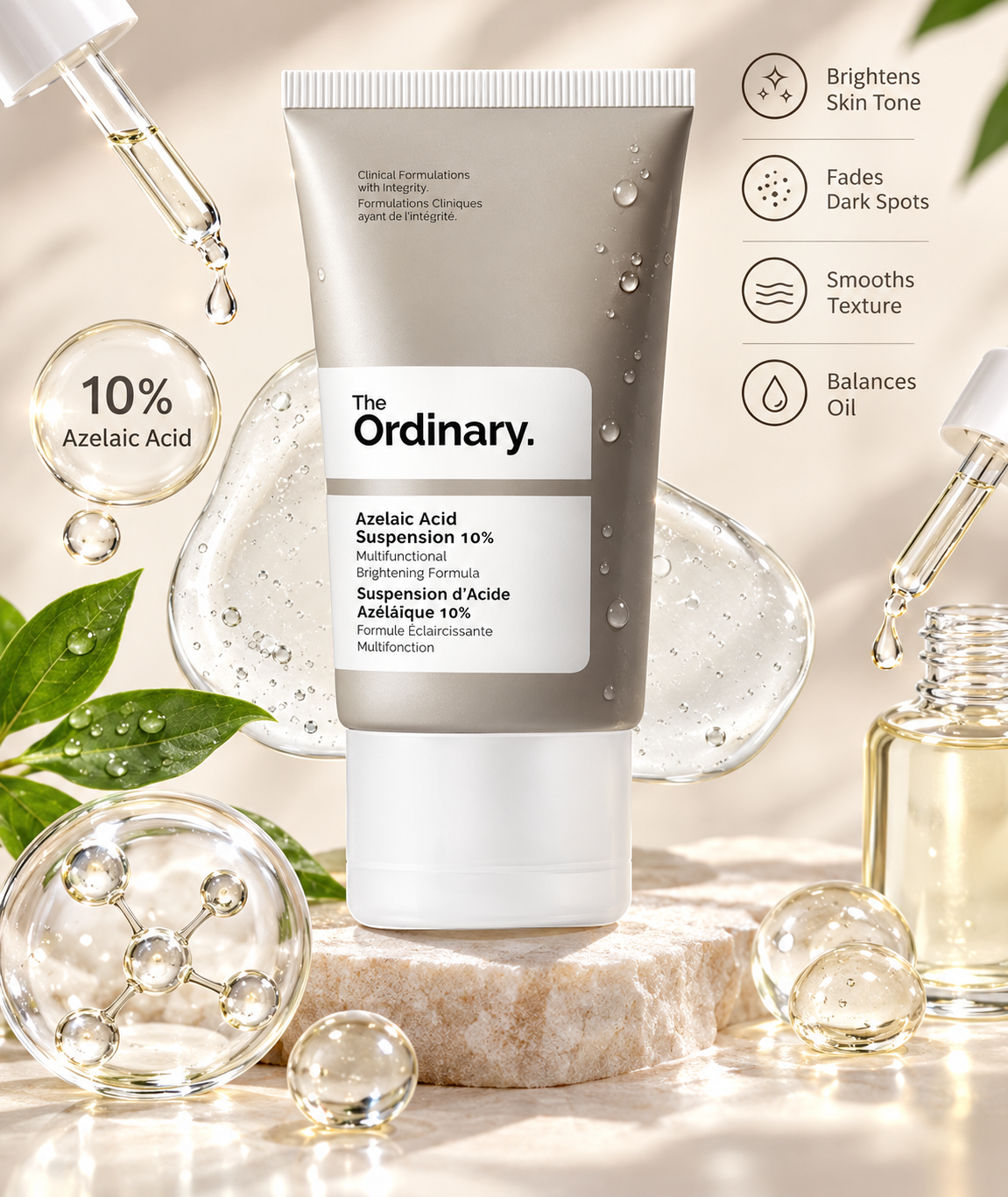
4. Minimalist Vitamin C Face Serum
Vitamin C is an antioxidant that may help brighten the appearance of dark spots and uneven skin tone. The appropriate strength depends on your skin’s tolerance and the specific formula.
Best for: Dull skin with flat brown acne marks.
How to use: Start with a few applications per week and increase only if your skin tolerates it.
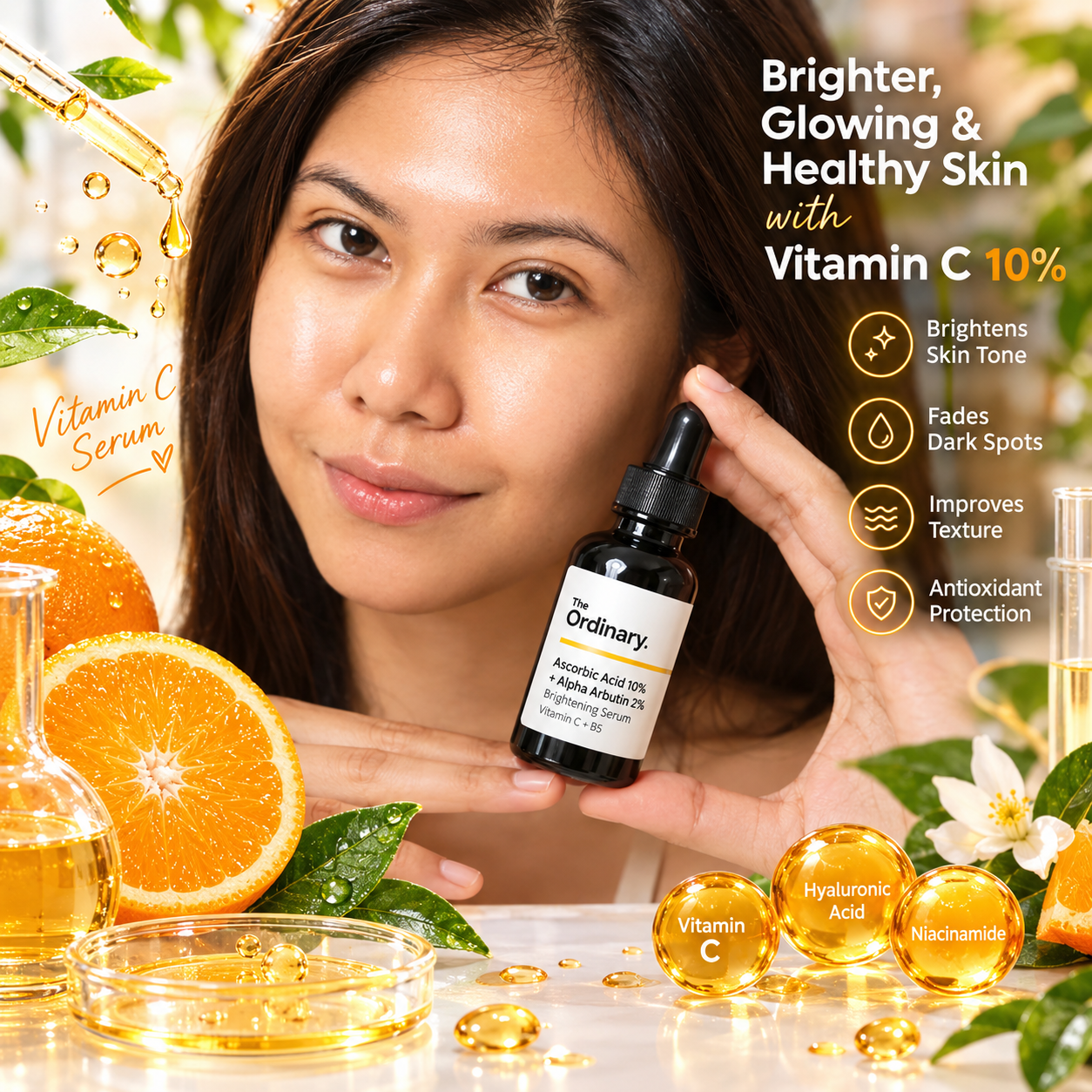
5. The Ordinary Alpha Arbutin 2% + HA
This serum combines alpha arbutin with hyaluronic acid. It is designed to target the appearance of dark spots while adding hydration.
Best for: Post-acne pigmentation and dehydrated skin.
How to use: Apply according to the label and follow with moisturizer.
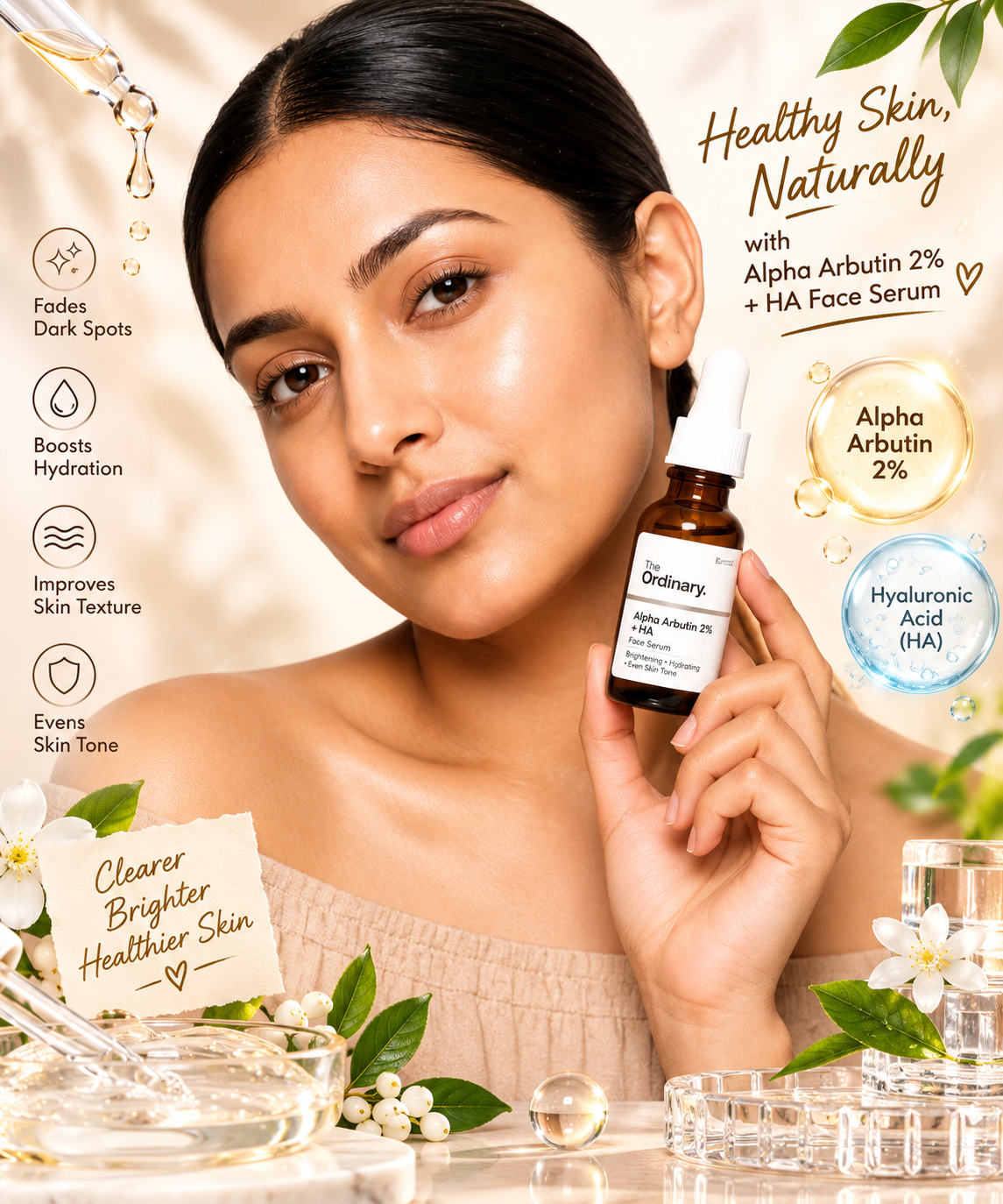
6. The Ordinary Niacinamide 10% + Zinc 1%
A popular option for people concerned about excess oil and visible pores. Niacinamide can also help improve the appearance of uneven skin tone.
Best for: Oily skin with mild post-acne marks.
How to use: Begin slowly; a higher concentration is not necessarily more effective or better tolerated than 5%.
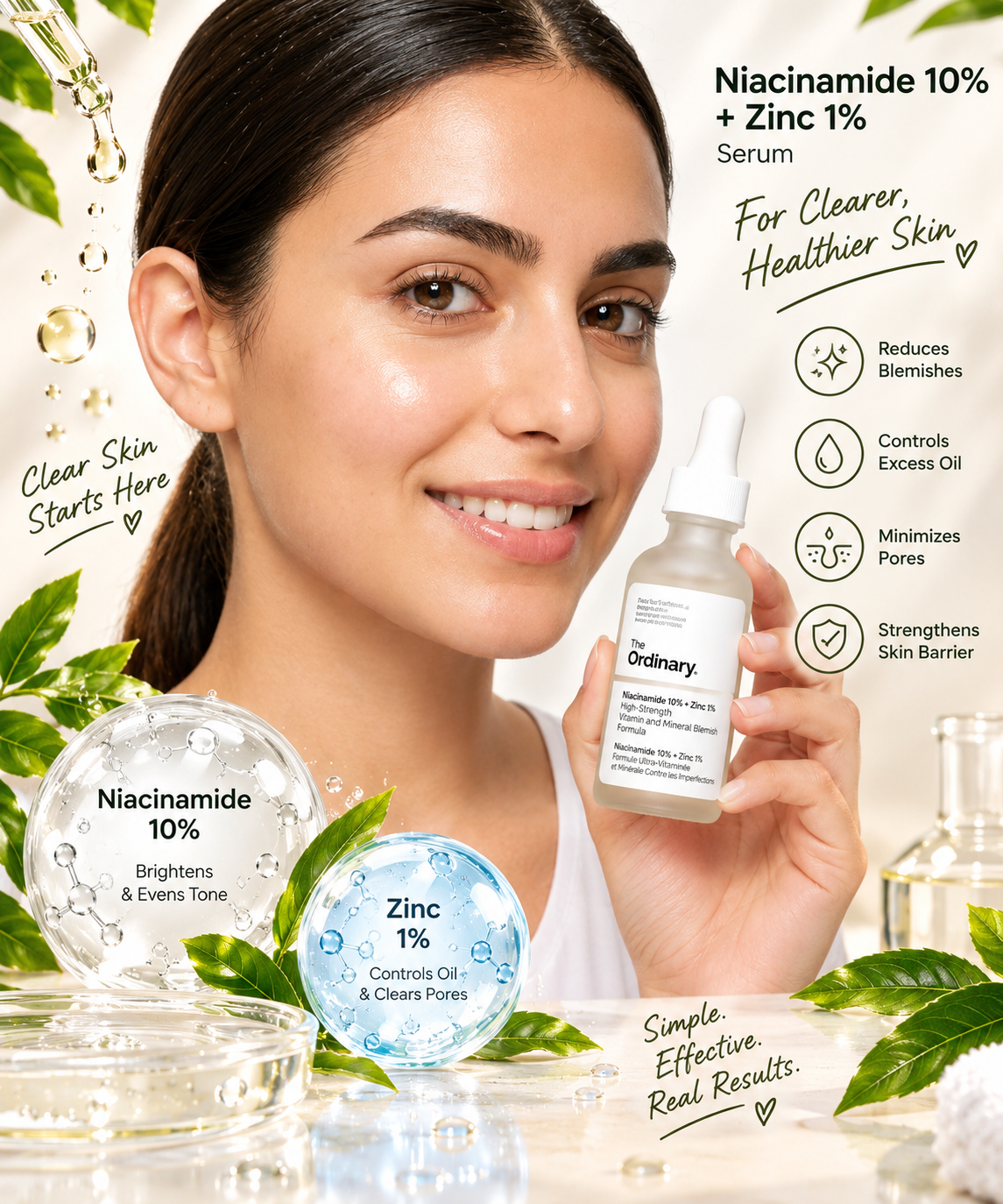
7. Deconstruct 5% Niacinamide + 2% Alpha Arbutin Clearing Serum
A combination formula aimed at uneven skin tone and excess oil. Check the exact formulation on the package because the brand offers products with similar names.
Best for: People who prefer a combined brightening serum.
How to use: Introduce it as your only new active treatment initially.
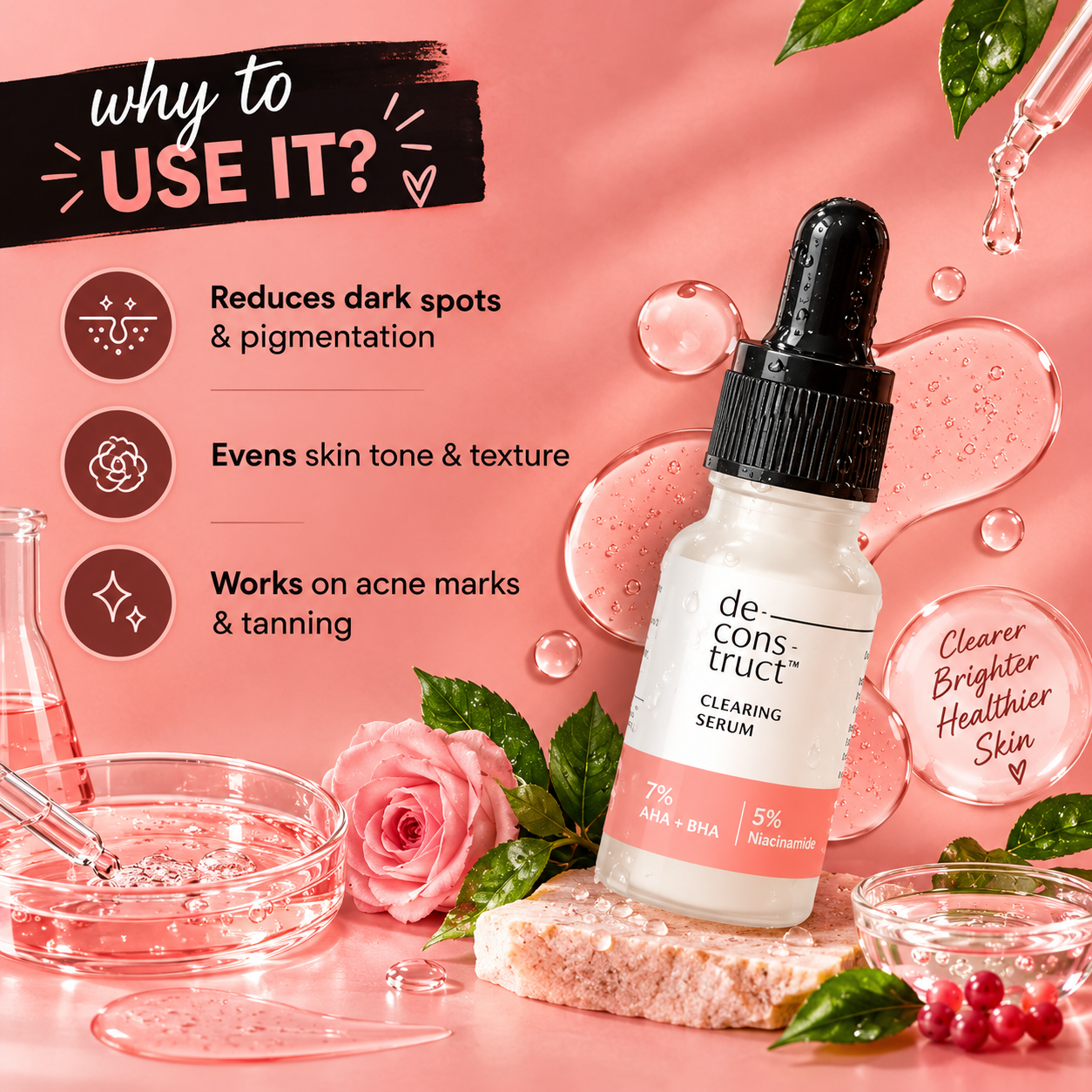
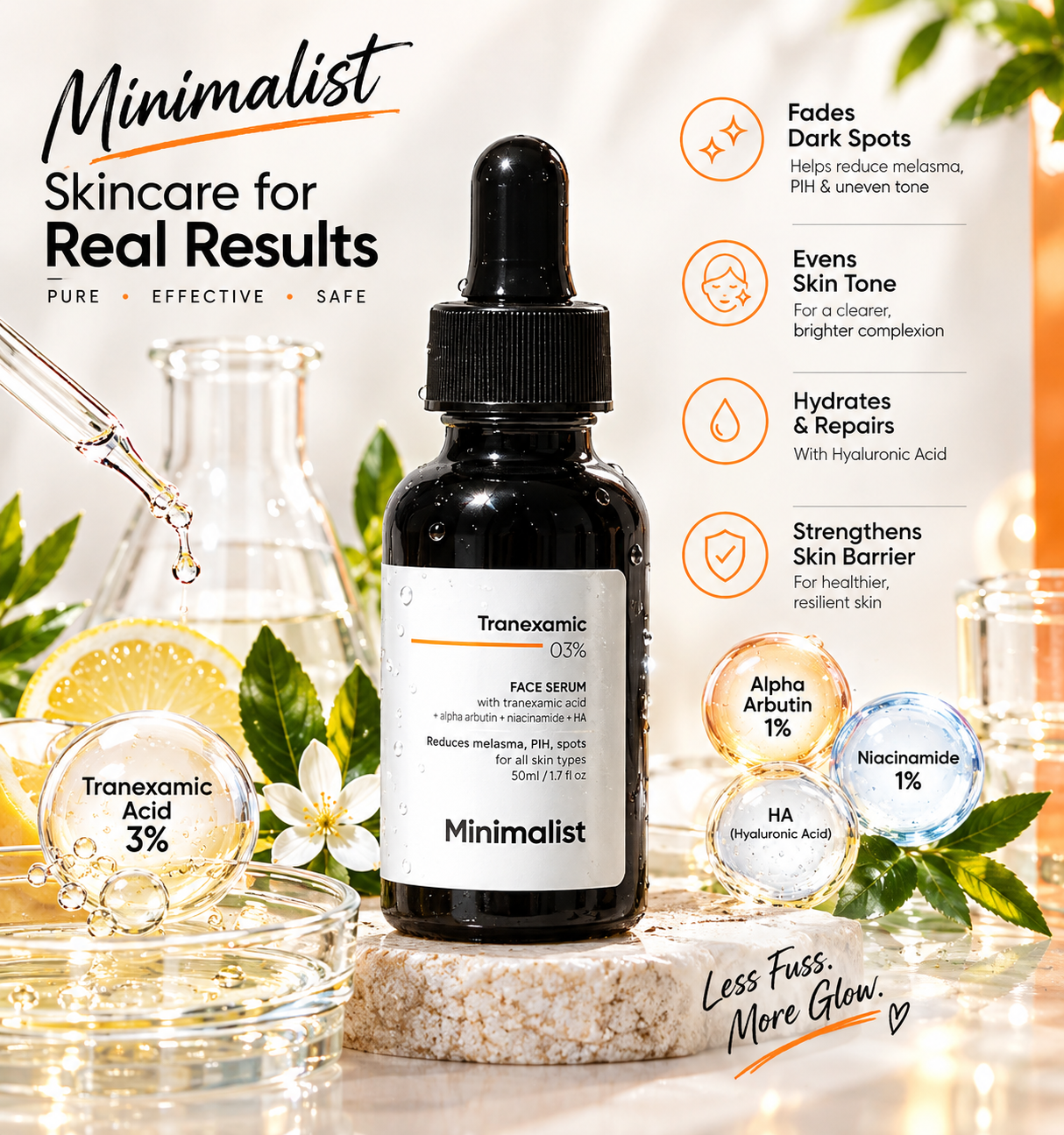
8. Minimalist Tranexamic Acid Face Serum
Tranexamic acid is used in skincare products to target the appearance of hyperpigmentation. It may be useful when brown marks are the main concern.
Best for: Persistent-looking dark spots and uneven tone.
How to use: Follow the exact product directions and pair it with daily sunscreen.
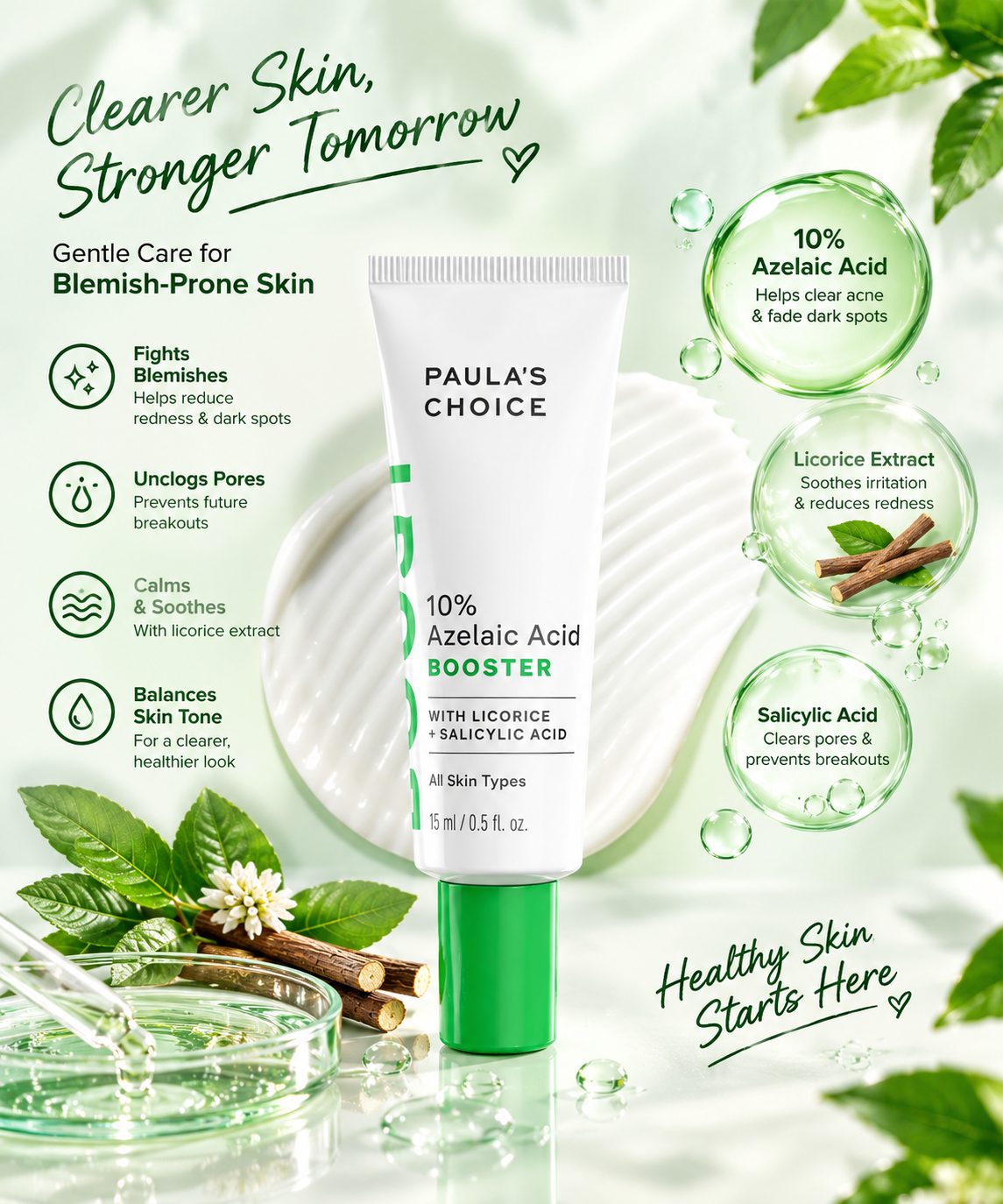
9. Paula’s Choice 10% Azelaic Acid Booster
An azelaic-acid treatment intended to improve uneven skin tone and visible redness. It is a more premium option.
Best for: Those looking for a targeted treatment for post-acne discoloration.
How to use: Introduce gradually and avoid combining it with several irritating actives in the same routine.
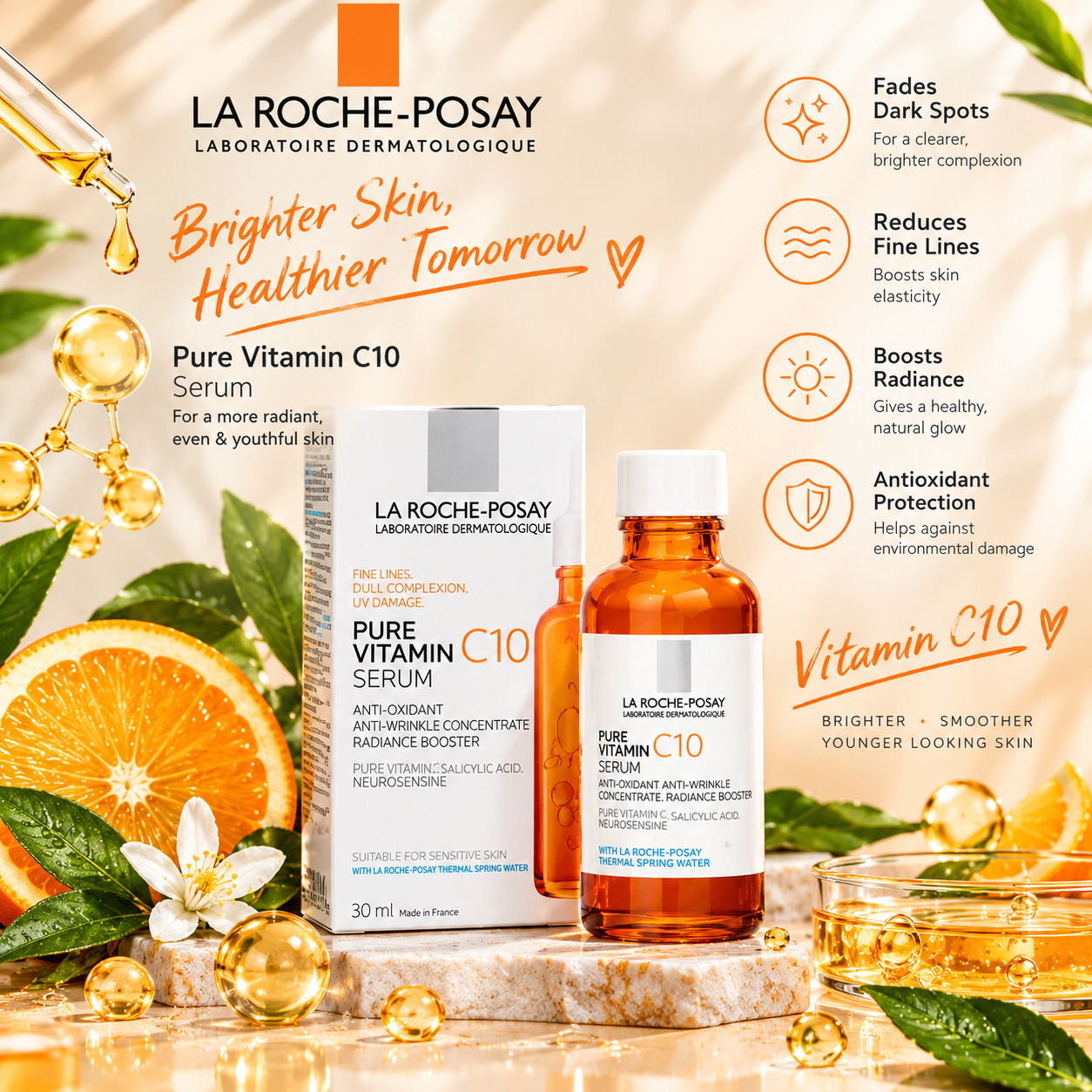
10. La Roche-Posay Pure Vitamin C10 Serum
A premium vitamin C serum designed to improve radiance and the appearance of uneven skin tone.
Best for: Dull skin with discoloration, provided the formula suits your skin.
How to use: Introduce cautiously if you have sensitive or acne-irritated skin.
Best serum ingredients for acne marks
Dermatologists commonly recommend several ingredients for dark spots, acne, and uneven skin tone.
|
Ingredient |
Main benefit |
Best suited for |
|---|---|---|
|
Niacinamide |
Supports the skin barrier and improves uneven tone |
Oily or combination skin |
|
Azelaic acid |
Helps with acne inflammation and dark marks |
Acne-prone skin |
|
Vitamin C |
Antioxidant protection and brightening |
Dull skin with dark spots |
|
Alpha arbutin |
Targets the appearance of excess pigmentation |
Brown acne marks |
|
Tranexamic acid |
Helps improve the appearance of discoloration |
Persistent-looking dark spots |
|
Salicylic acid |
Unclogs pores and treats blackheads and whiteheads |
Skin with active breakouts |
|
Retinoids |
Help treat acne and may fade post-acne marks |
Persistent acne, with appropriate guidance |
How to choose the right serum for your skin type
Oily skin
Start with a lightweight niacinamide serum. If you also have active acne and dark marks, consider azelaic acid.
Dry skin
Choose a gentle brightening serum and use a moisturizer containing barrier-supporting ingredients such as ceramides.
Sensitive skin
Consider a lower-strength niacinamide formula or a carefully introduced azelaic acid product. Patch-test first.
Combination skin
A niacinamide serum can be a simple starting point. Add another active only if you need it and tolerate your current routine.
Morning and night skincare routine for acne marks
Morning routine
-
Cleanse your face with a gentle cleanser.
-
Apply one suitable serum, such as niacinamide or vitamin C.
-
Use a moisturizer suited to your skin type.
-
Apply broad-spectrum SPF 30 or higher sunscreen. SPF 50 is a practical choice for everyday outdoor exposure in India.
Night routine
-
Cleanse to remove sunscreen, dirt, and excess oil.
-
Apply one treatment serum, such as azelaic acid, or your chosen pigmentation treatment.
-
Finish with a moisturizer to help maintain the skin barrier.
How long do serums take to fade acne marks?
Results depend on the type and depth of the mark, the treatment, and whether new acne continues to develop.
-
First few weeks: You may notice changes in hydration or skin texture.
-
Around 6–8 weeks: Some people begin to notice improvements in mild discoloration.
-
Around 3 months or longer: More noticeable improvement may occur with consistent use.
-
Several months to a year: Some dark marks take this long to fade, especially if they are deeper or repeatedly irritated.
These are approximate timelines, not guaranteed results.
Common mistakes to avoid
-
Using several strong serums together from the beginning.
-
Skipping sunscreen during the day.
-
Scrubbing, squeezing, or picking pimples.
-
Using harsh home remedies such as lemon juice or baking soda.
-
Changing products too frequently before giving a suitable routine time to work.
-
Expecting a serum to fill deep acne scars.
Stop using a product if it causes persistent burning, swelling, or significant irritation. Irritation itself can worsen dark marks, particularly in skin prone to pigmentation.
Frequently asked questions
1. Which serum is best for acne marks?
Niacinamide is a reasonable starting point for many beginners. Azelaic acid is another useful option, especially when acne and dark marks occur together.
2. Can acne marks disappear completely?
Flat dark marks often fade substantially over time, although some persist. Indented or raised scars usually need a different treatment approach.
3. Can I use niacinamide every day?
Many people tolerate niacinamide daily. Start with a suitable concentration and reduce use if you experience irritation.
4. Is vitamin C good for acne marks?
Vitamin C can help improve the appearance of dark spots and uneven tone. Choose a formula your skin tolerates and use sunscreen consistently.
5. Can I use two serums together?
Sometimes, but you do not need to combine multiple actives to get results. Start with one treatment and introduce a second gradually if needed.
6. Should I use a serum if I still have pimples?
Yes, some treatments can help with both acne and dark marks. However, ongoing or painful acne may need targeted acne treatment from a dermatologist.
7. Are acne marks and acne scars the same?
No. Flat red or brown marks are discoloration, whereas indented or raised scars involve changes in the skin’s structure.
8. When should I see a dermatologist?
Seek professional advice if acne is painful, leaves scars, continues to worsen, or does not improve after several weeks to a few months of appropriate treatment.
Final thoughts
The best serums for acne marks are those that match your skin type and address the specific concern you want to treat. Niacinamide can be a beginner-friendly choice, azelaic acid can help with both acne and discoloration, and vitamin C or alpha arbutin may suit people whose main concern is dark spots.
For the best results, keep your skincare routine simple, introduce products gradually, moisturize consistently, and use sunscreen every morning. Remember that patience is important: fading acne marks takes time, and treating active acne helps prevent new marks from forming.
If your marks are deep, your acne is severe, or your skin becomes irritated, a dermatologist can help you choose a safer and more effective treatment plan.