Niacinamide vs Alpha Arbutin vs Tranexamic Acid: Which Is Best for Dark Spots?
Choosing the right skincare ingredient can make a big difference when you want to fade acne marks, reduce pigmentation, and achieve a more even-looking complexion. Three popular ingredients for these concerns are niacinamide, alpha arbutin, and tranexamic acid.
Although all three can help improve the appearance of uneven skin tone, they work in different ways. Niacinamide is particularly useful for supporting the skin barrier and managing excess oil, alpha arbutin targets the appearance of excess pigmentation, and tranexamic acid is a popular option for persistent-looking dark spots.
In this guide, we will compare niacinamide vs alpha arbutin vs tranexamic acid, explain their benefits, discuss which skin types they suit, and help you choose the best ingredient for your skincare routine.
What are niacinamide, alpha arbutin, and tranexamic acid?
1. Niacinamide
Niacinamide is a form of vitamin B3 used in skincare to support the skin barrier, improve the appearance of uneven skin tone, and help regulate excess oil. It is a versatile ingredient for many skin types.
2. Alpha Arbutin
Alpha arbutin is a skin-brightening ingredient that helps reduce the appearance of excess pigmentation. It is especially relevant for flat brown acne marks and uneven skin tone.
3. Tranexamic Acid
Tranexamic acid is an ingredient used in topical skincare to target hyperpigmentation. It is often chosen for stubborn-looking dark spots and uneven pigmentation.
Niacinamide vs Alpha Arbutin vs Tranexamic Acid: Quick comparison
|
Feature |
Niacinamide |
Alpha arbutin |
Tranexamic acid |
|---|---|---|---|
|
Main purpose |
Skin barrier, oil balance, uneven tone |
Visible dark spots |
Persistent-looking pigmentation |
|
Acne marks |
Helpful, especially with oiliness |
Helpful for brown marks |
Helpful for brown marks |
|
Oily skin |
Excellent option |
Generally suitable |
Generally suitable |
|
Sensitive skin |
Often well tolerated |
Often well tolerated |
Depends on the formula |
|
Active acne |
Can support acne-prone skin |
Does not directly treat acne |
Does not directly treat acne |
|
Skin barrier support |
Strongest of these three for this purpose |
Not its main role |
Not its main role |
|
Best role |
Everyday multitasking |
Targeted brightening |
Targeted pigmentation care |
Remember: No single ingredient is best for everyone. The product formulation, concentration, skin sensitivity, and type of pigmentation all affect results.
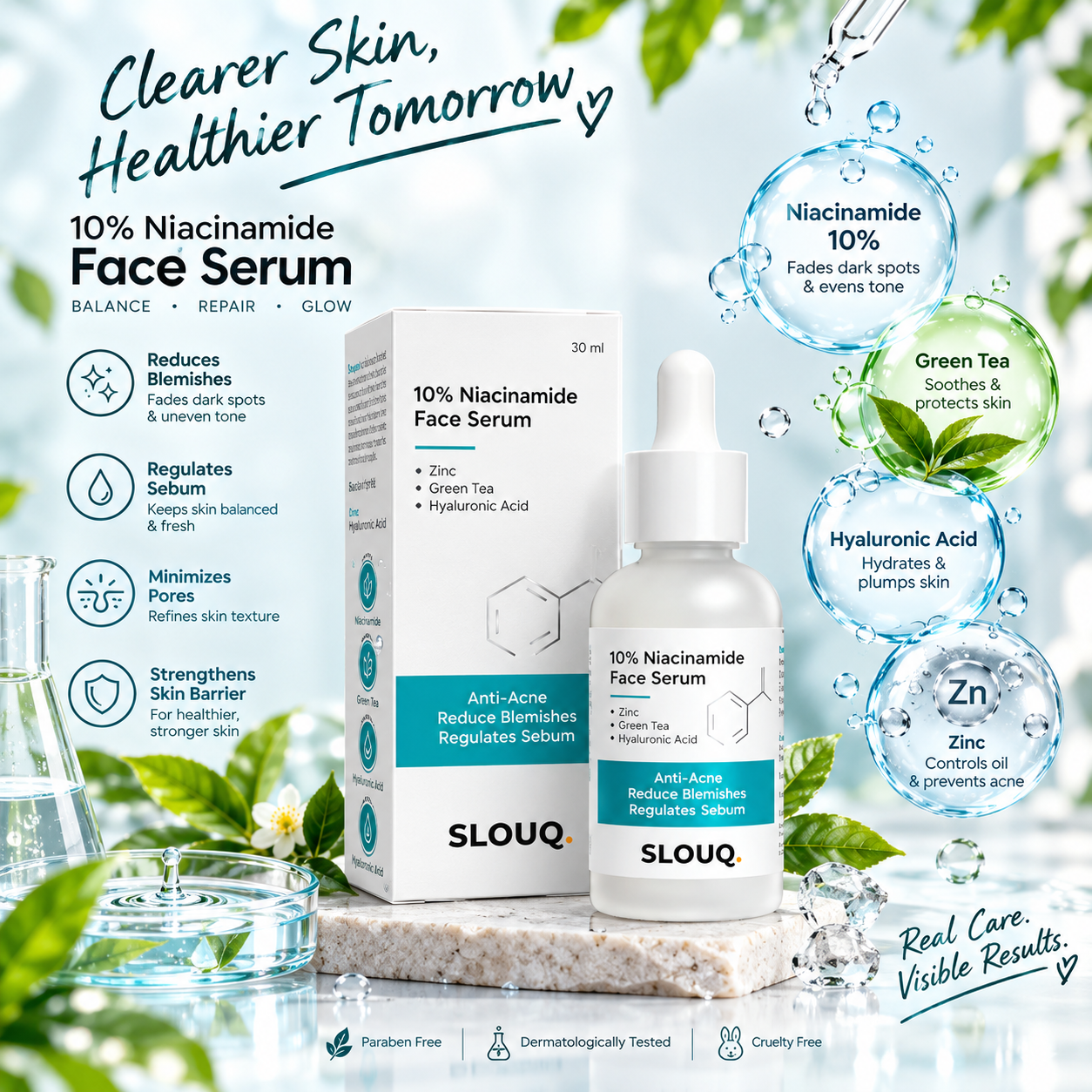
1. Niacinamide: Best for oily skin and everyday skincare
Niacinamide is a versatile skincare ingredient that can be useful if you have oily skin, enlarged-looking pores, uneven skin tone, or mild acne marks.
Benefits of niacinamide
-
Helps improve the appearance of dark spots and uneven skin tone.
-
Supports the skin’s natural barrier.
-
Helps regulate excess oil and reduce the appearance of oily skin.
-
Can help improve the appearance of redness.
-
Works well in many simple, daily skincare routines.
Niacinamide has clinical support for improving some forms of hyperpigmentation, although results depend on the formula and concentration.
Who should choose niacinamide?
Choose niacinamide if you have oily or combination skin, mild acne marks, excess shine, or want one ingredient that addresses several concerns.
What concentration should you choose?
A 4–5% formula is a reasonable starting point for many people. Higher concentrations, such as 10%, are not automatically more effective and may irritate some skin types.
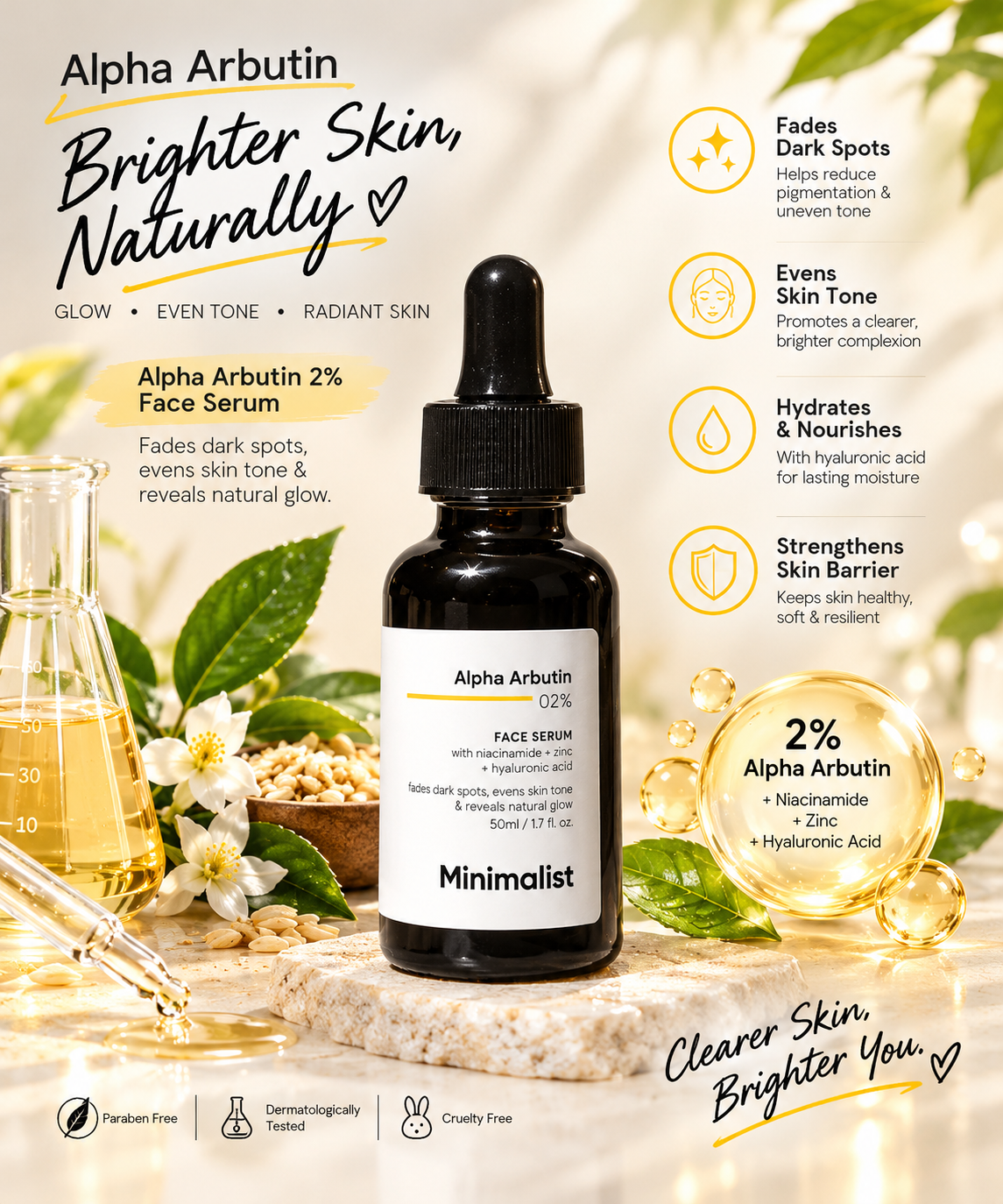
2. Alpha arbutin: Best for brown acne marks
lpha arbutin is a targeted brightening ingredient commonly used to improve the appearance of pigmentation. It works by inhibiting tyrosinase, an enzyme involved in melanin production.
Benefits of alpha arbutin
-
Helps fade the appearance of brown acne marks.
-
Targets uneven pigmentation.
-
Can help improve the appearance of a dull or uneven complexion.
-
Can be used alongside a gentle moisturizer and sunscreen.
-
Is available in lightweight serum formulations.
Evidence for alpha arbutin is promising, but the amount of high-quality clinical evidence is more limited than for some established treatments for hyperpigmentation.
Choose alpha arbutin if your main concern is flat brown marks left after pimples have healed, rather than excess oil or active breakouts.
What concentration should you choose?
Many cosmetic serums contain around 1–2% alpha arbutin. Follow the product label, and avoid assuming that a higher concentration will necessarily deliver faster results.
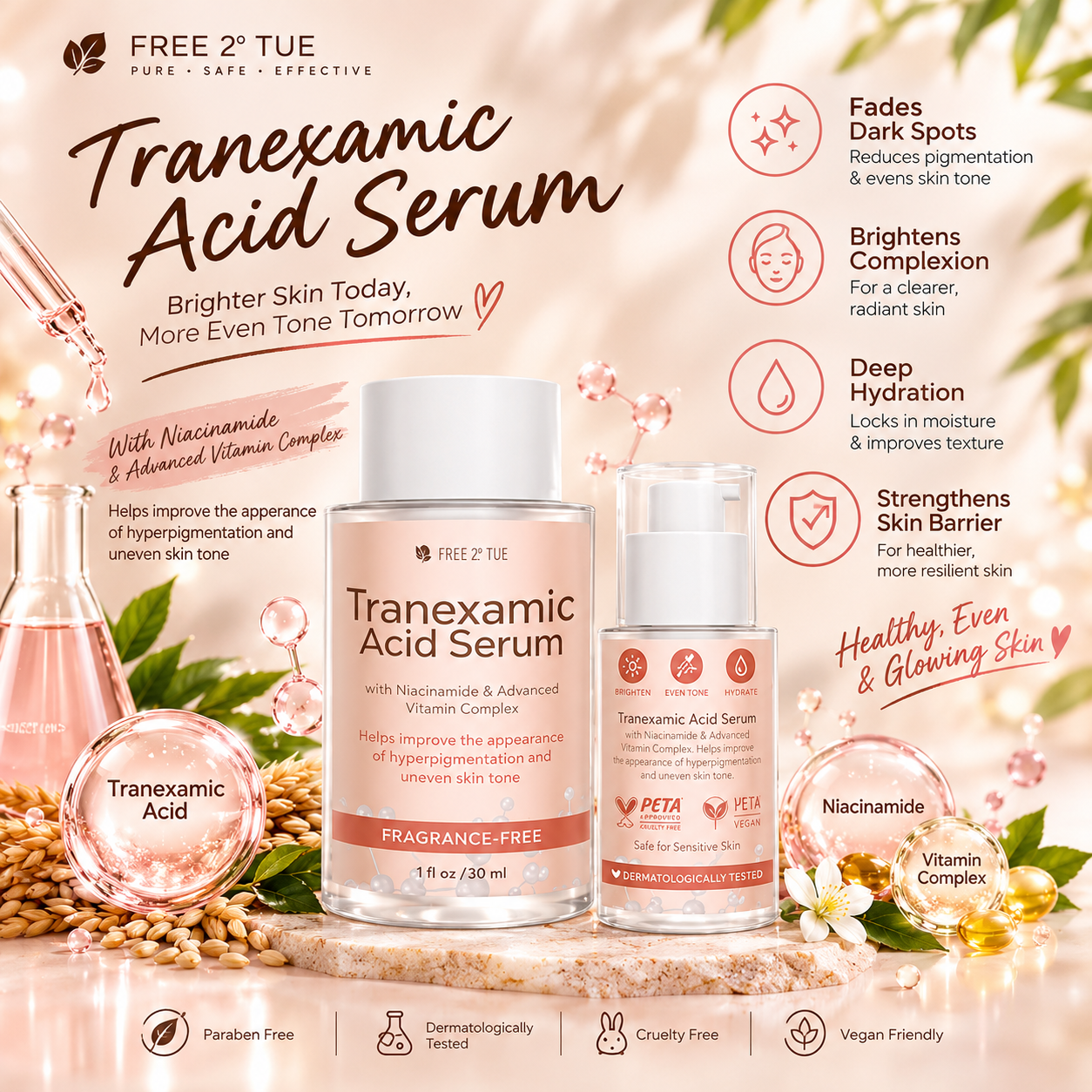
3. Tranexamic acid: Best for stubborn-looking pigmentation
Tranexamic acid has become a popular ingredient in skincare designed to address persistent dark spots and uneven pigmentation. It influences pathways involved in pigment formation and skin discoloration.
Benefits of tranexamic acid
-
Helps improve the appearance of persistent dark spots.
-
May help reduce the appearance of melasma and uneven pigmentation.
-
Can complement other brightening ingredients.
-
Is available in topical serums and creams designed for pigmentation concerns.
Clinical studies have found improvements in facial pigmentation with certain topical tranexamic acid formulations, including combinations with niacinamide. However, the evidence varies by condition and product.
Who should choose tranexamic acid?
Consider it if your primary concern is stubborn brown discoloration or pigmentation that has not improved enough with a simple routine.
What concentration should you choose?
Topical products commonly contain approximately 2–5%, but formulations vary. Start with a product designed for facial use and follow its instructions.
Important: topical tranexamic acid is different from oral tranexamic acid, which is a medicine with specific medical risks. Do not take oral tranexamic acid for pigmentation without a doctor’s advice.
Which ingredient is best for different skin concerns?
Oily skin and mild acne marks
First choice: Niacinamide
Helps support the skin barrier while addressing excess oil and uneven tone.
Brown spots left by pimples
First choice: Alpha arbutin or niacinamide
Both are reasonable options for a simple pigmentation-focused routine.
Persistent pigmentation or melasma
Consider: Tranexamic acid
May help, but persistent or widespread pigmentation is best assessed by a dermatologist.
Sensitive skin or a damaged skin barrier
Start with: A gentle routine
Prioritize moisturizer and sunscreen before adding brightening treatments.
Can you use niacinamide, alpha arbutin, and tranexamic acid together?
Yes, these ingredients can often be used in the same skincare routine if the formulations are compatible and your skin tolerates them. A small clinical trial found that a moisturizer containing 2% niacinamide and 2% tranexamic acid improved facial pigmentation over eight weeks when used with sunscreen.
However, you do not need to use all three to get results.
A practical approach is to start with one serum for several weeks. If necessary, introduce a second ingredient gradually. Using too many products at once can make irritation more likely and make it harder to identify which product is causing a reaction.
Morning and night skincare routine
Morning routine
-
Gentle cleanser.
-
Niacinamide or alpha arbutin serum, depending on your main concern.
-
Moisturizer suitable for your skin type.
-
Broad-spectrum sunscreen with SPF 30 or higher.
Night routine
-
Gentle cleanser.
-
Tranexamic acid or your chosen brightening treatment, if needed and tolerated.
-
Moisturizer to support the skin barrier.
Sunscreen is essential for preventing dark spots from becoming darker and helping existing pigmentation fade. For persistent pigmentation, a tinted sunscreen containing iron oxides may offer additional protection against visible light.
How long does each ingredient take to work?
|
Ingredient |
Approximate period to assess results |
|---|---|
|
Niacinamide |
Around 4–8 weeks for early changes |
|
Alpha arbutin |
Around 6–12 weeks |
|
Tranexamic acid |
Around 8–12 weeks or longer |
These are general estimates, not guaranteed timelines. Visible improvement may take several months, particularly for deeper pigmentation. Studies of specific formulas cannot predict exactly how an individual product will perform.
Common mistakes to avoid
-
Using all three ingredients at high concentrations from the beginning.
-
Skipping sunscreen.
-
Picking or squeezing pimples, which can cause further marks.
-
Using irritating scrubs or harsh home remedies.
-
Expecting serums to remove indented acne scars.
-
Continuing a product that causes persistent burning or irritation.
If your acne remains active, treating the acne itself is important because new inflammation can cause additional pigmentation.
Frequently asked questions
1. Which is better for dark spots: niacinamide or alpha arbutin?
Alpha arbutin is a targeted option for brown marks, while niacinamide is more versatile because it also supports the skin barrier and helps with excess oil. Either can be a reasonable starting point.
2. Is tranexamic acid better than niacinamide?
Neither is universally better. Tranexamic acid is often chosen for persistent pigmentation, whereas niacinamide is useful for multiple concerns, including uneven tone and oily skin.
3. Which ingredient is best for acne marks?
For flat brown acne marks, alpha arbutin or niacinamide may be good starting choices. If acne is still active, your routine should also address breakouts.
4. Can I use niacinamide and alpha arbutin together?
Generally, yes. They can complement one another, but start with one product at a time to check your skin’s tolerance.
5. Can I use tranexamic acid and alpha arbutin together?
Often, yes, provided the products are suitable for layering. Alternatively, choose one combination serum instead of applying multiple separate treatments.
6. Which ingredient is suitable for sensitive skin?
Niacinamide at a moderate concentration is often a reasonable starting point. Alpha arbutin and tranexamic acid may also be tolerated, but the complete formula matters. Patch-test new products.
7. Do these ingredients remove acne scars?
They may improve flat brown or dark marks, but they will not reliably remove deep pits or raised scars.
8. Do I need sunscreen when using these ingredients?
Yes. Daily sunscreen helps prevent further pigmentation and supports your treatment results.
Final thoughts
Niacinamide, alpha arbutin, and tranexamic acid can all be useful for improving the appearance of dark spots and uneven skin tone, but each serves a slightly different purpose.
-
Choose niacinamide for a versatile everyday ingredient that supports the skin barrier and helps manage excess oil.
-
Choose alpha arbutin if your main concern is flat brown acne marks.
-
Consider tranexamic acid if persistent pigmentation is your primary concern.
The best approach is to choose an ingredient that matches your skin concern, introduce it gradually, and use sunscreen consistently. A simple routine used regularly is often more helpful than layering many strong products at once.