Vitamin C for Dark Spots: Benefits, How to Use It, Best Products & Complete Guide (2026)
Dark spots, acne marks, sun damage, and uneven skin tone are among the most common skincare concerns. If you’re looking for one ingredient that dermatologists frequently recommend for brighter, more even-looking skin, Vitamin C is at the top of the list.
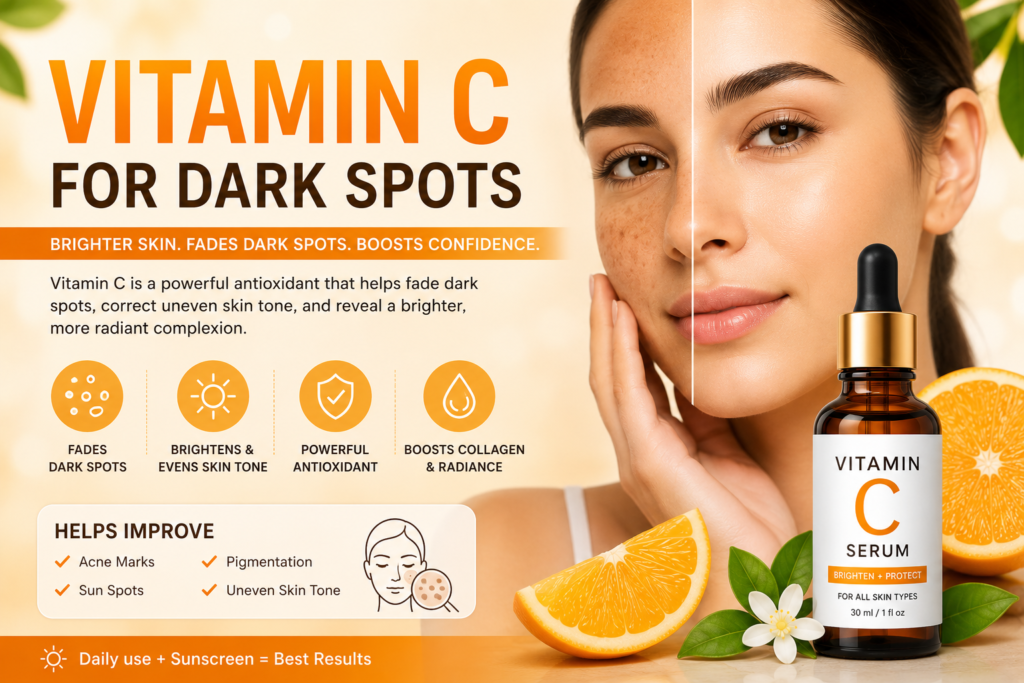
Vitamin C is a powerful antioxidant that helps reduce pigmentation, protects the skin from environmental damage, and boosts collagen production. When used consistently, it can visibly fade dark spots and improve overall skin radiance.
What Is Vitamin C?
Vitamin C (also called Ascorbic Acid) is a water-soluble antioxidant naturally found in the skin. In skincare products, it helps protect against free radical damage while promoting brighter, healthier-looking skin.
It is commonly available in:
- L-Ascorbic Acid (Pure Vitamin C)
- Sodium Ascorbyl Phosphate
- Magnesium Ascorbyl Phosphate
- Ascorbyl Glucoside
- Tetrahexyldecyl Ascorbate
- Ethyl Ascorbic Acid
Each form has different stability and potency.
How Does Vitamin C Help Dark Spots?
Dark spots form when excess melanin accumulates in certain areas of the skin.
Vitamin C works by:
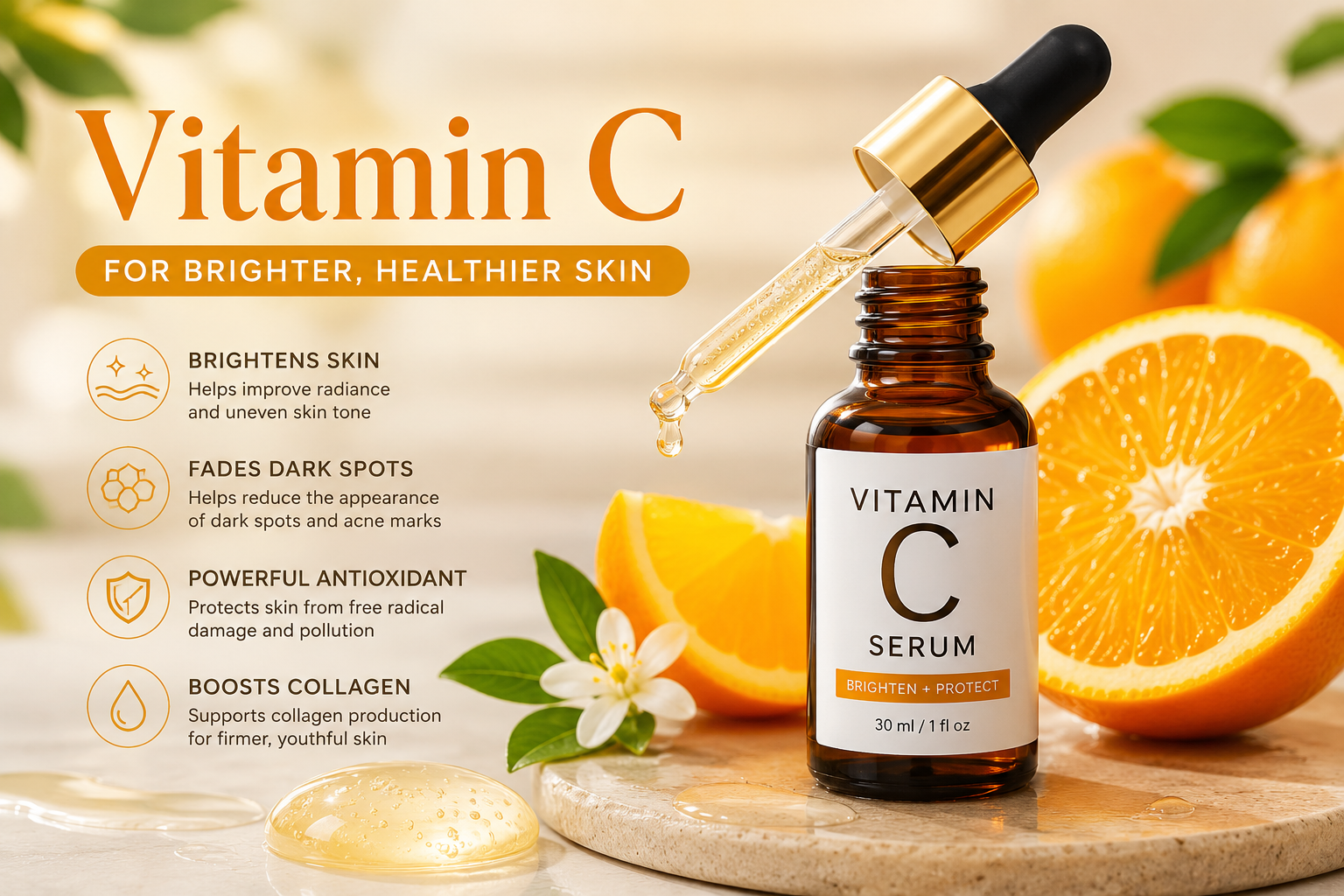
- Inhibiting the enzyme tyrosinase responsible for melanin production
- Reducing excess pigmentation
- Preventing new discoloration
- Speeding up skin renewal
- Fighting oxidative stress caused by UV rays and pollution
- Brightening dull skin
With regular use, skin gradually appears clearer and more even.
Types of Dark Spots Vitamin C Can Improve
Vitamin C may help improve:
Post-Inflammatory Hyperpigmentation (PIH)
Marks left behind after acne or skin irritation.
Sun Spots
Pigmentation caused by long-term sun exposure.
Age Spots
Brown spots that develop with aging.
Acne Marks
Dark marks remaining after pimples heal.
Uneven Skin Tone
Patchy pigmentation caused by environmental damage.
Benefits of Vitamin C for Dark Spots
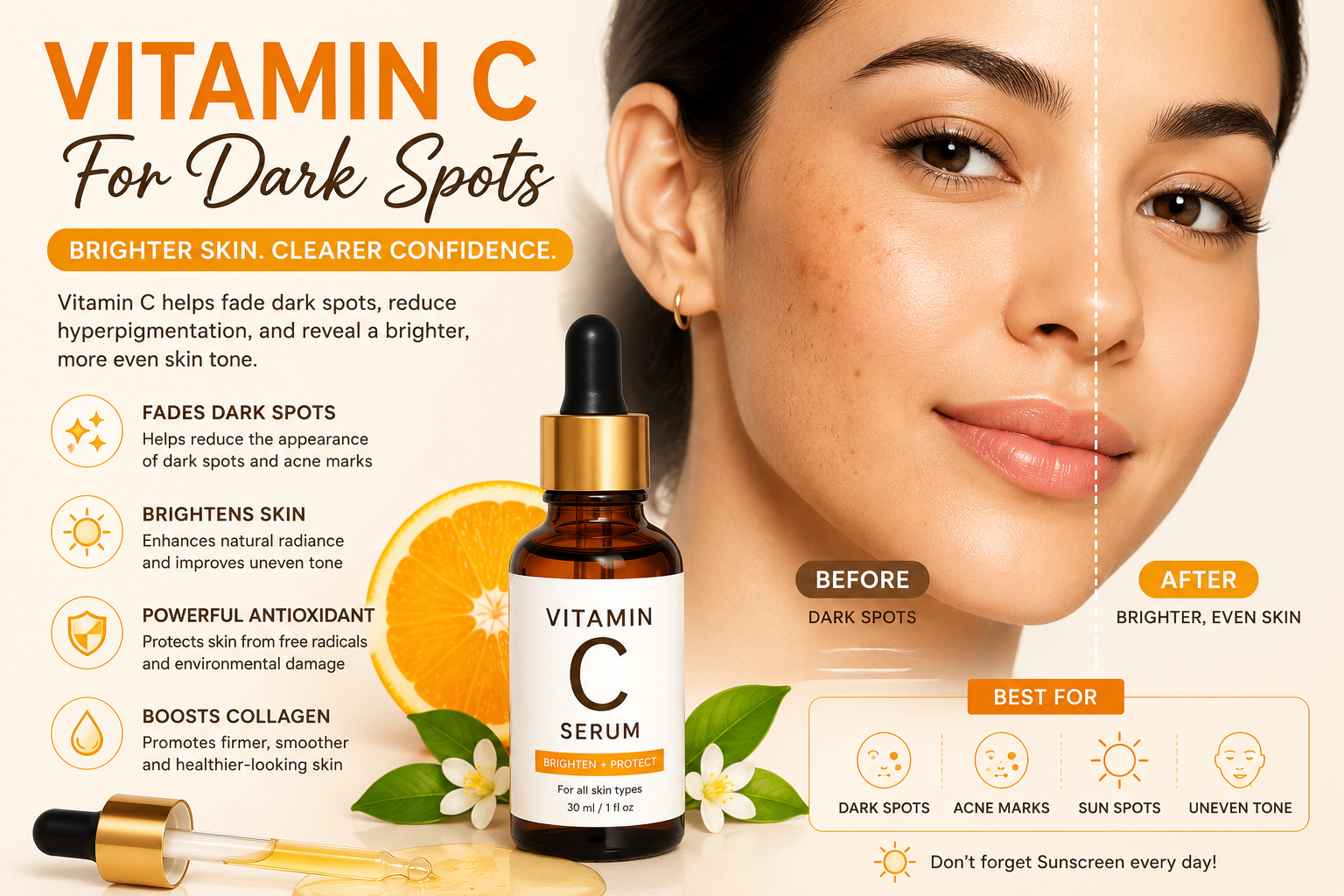
1. Brightens Skin
Vitamin C improves skin radiance and reduces dullness.
2. Reduces Hyperpigmentation
Regular application gradually fades existing dark spots.
3. Prevents New Pigmentation
Its antioxidant properties help minimize damage that can trigger future discoloration.
4. Boosts Collagen
Vitamin C stimulates collagen production, improving skin texture and helping acne marks appear less noticeable over time.
5. Protects Against Environmental Damage
It helps defend skin from pollution and UV-induced free radicals (though it is not a substitute for sunscreen).
6. Improves Overall Skin Tone
Skin appears smoother, brighter, and more even.
If you’re looking for the best Vitamin C serums for dark spots, these six products are popular, well-reviewed, and suitable for different skin types.
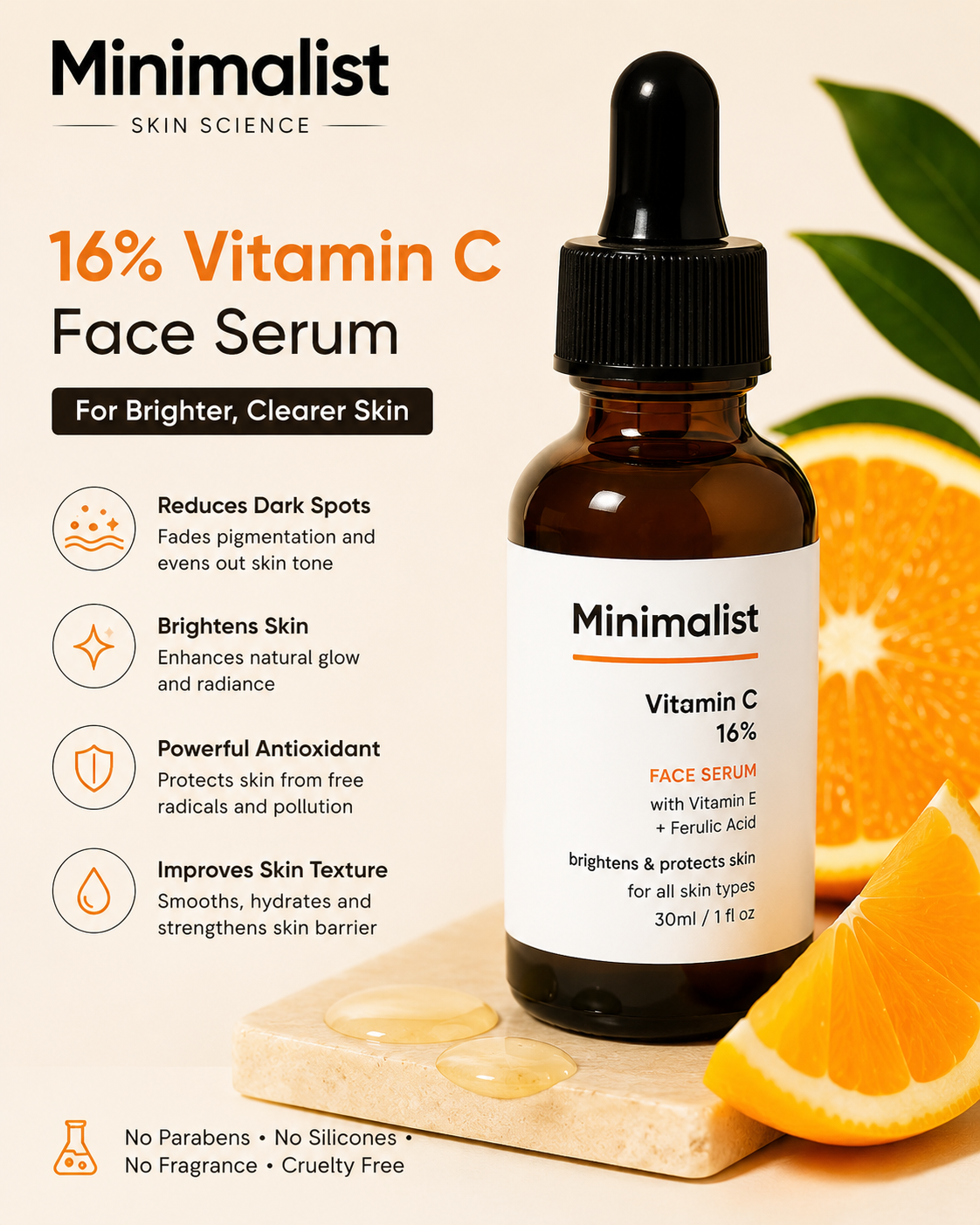
1. Minimalist 16% Vitamin C Face Serum
-
- Best for: Hyperpigmentation and acne marks
- Key ingredients: 16% Ethyl Ascorbic Acid, Vitamin E, Ferulic Acid
- Suitable for: Normal, oily, and combination skin
- Benefits: Brightens skin, fades dark spots, and improves overall skin tone.
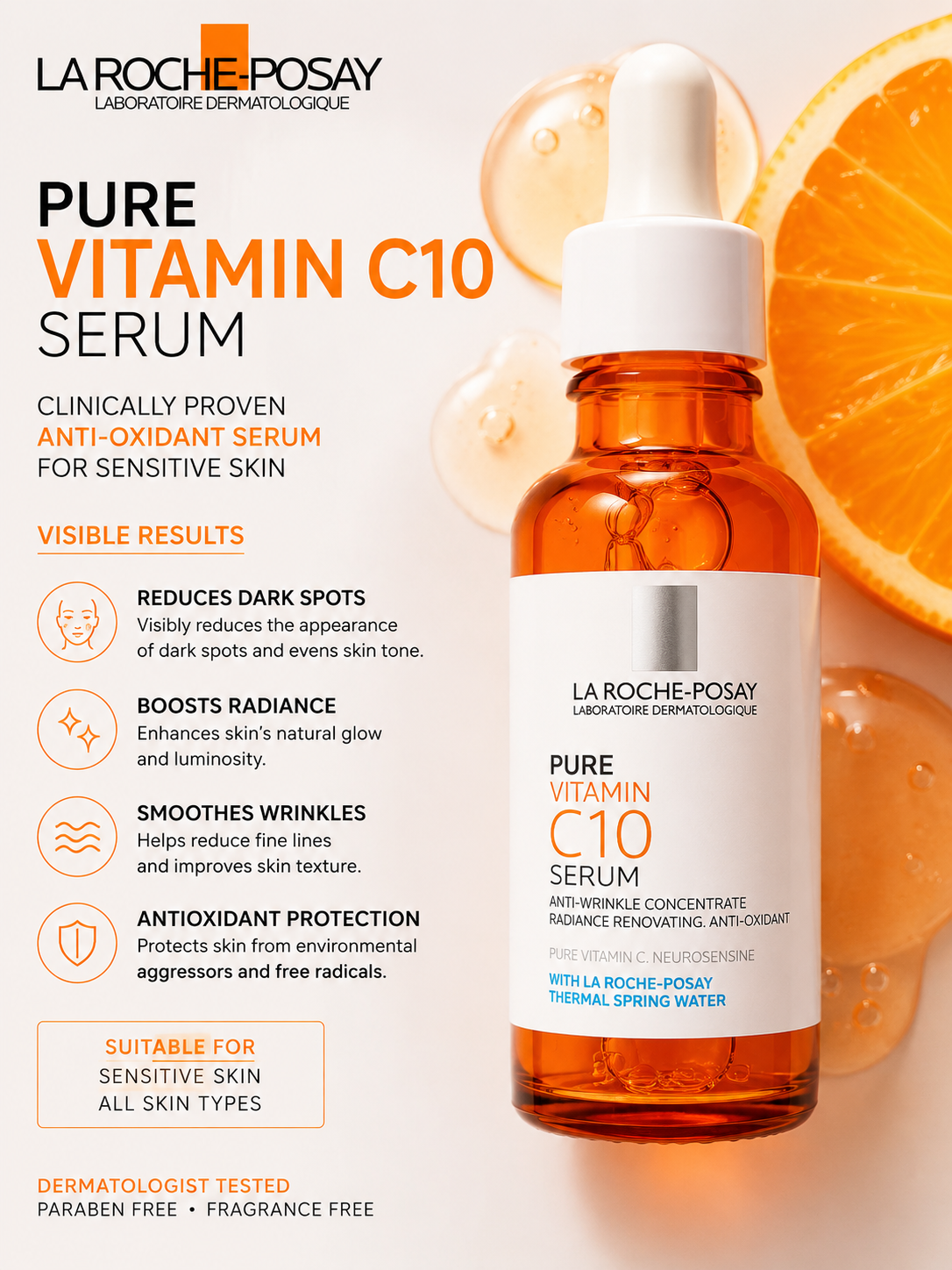
2. La Roche-Posay Pure Vitamin C10 Serum
-
- Best for: Sensitive skin
- Key ingredients: 10% Pure Vitamin C, Salicylic Acid, Neurosensine
- Suitable for: Sensitive and mature skin
- Benefits: Reduces dark spots, smooths texture, and enhances radiance.
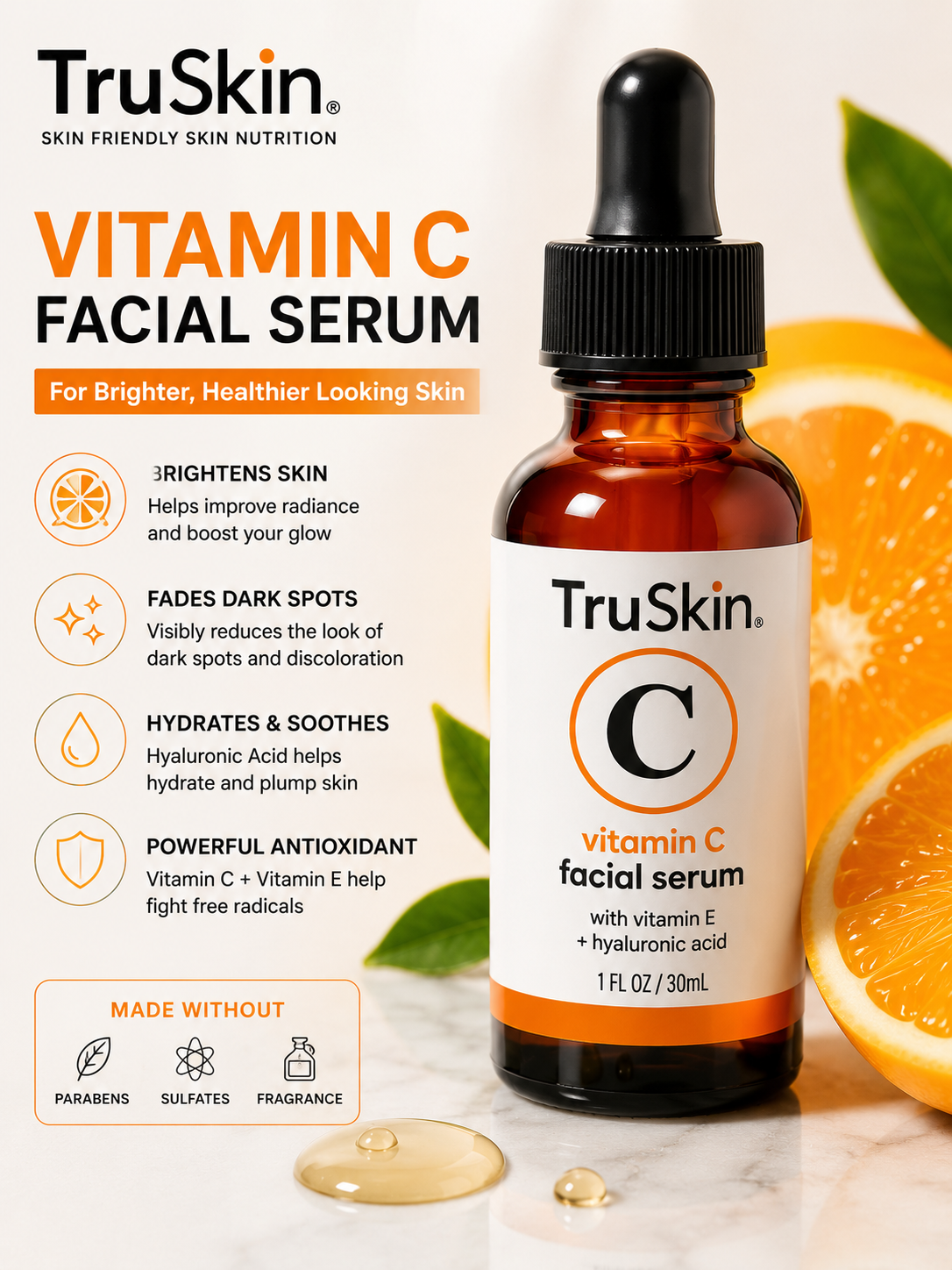
3. TruSkin Vitamin C Facial Serum
-
-
- Best for: Beginners
- Key ingredients: Vitamin C, Hyaluronic Acid, Vitamin E
- Suitable for: All skin types
- Benefits: Brightens dull skin, helps fade acne marks, and hydrates.
-
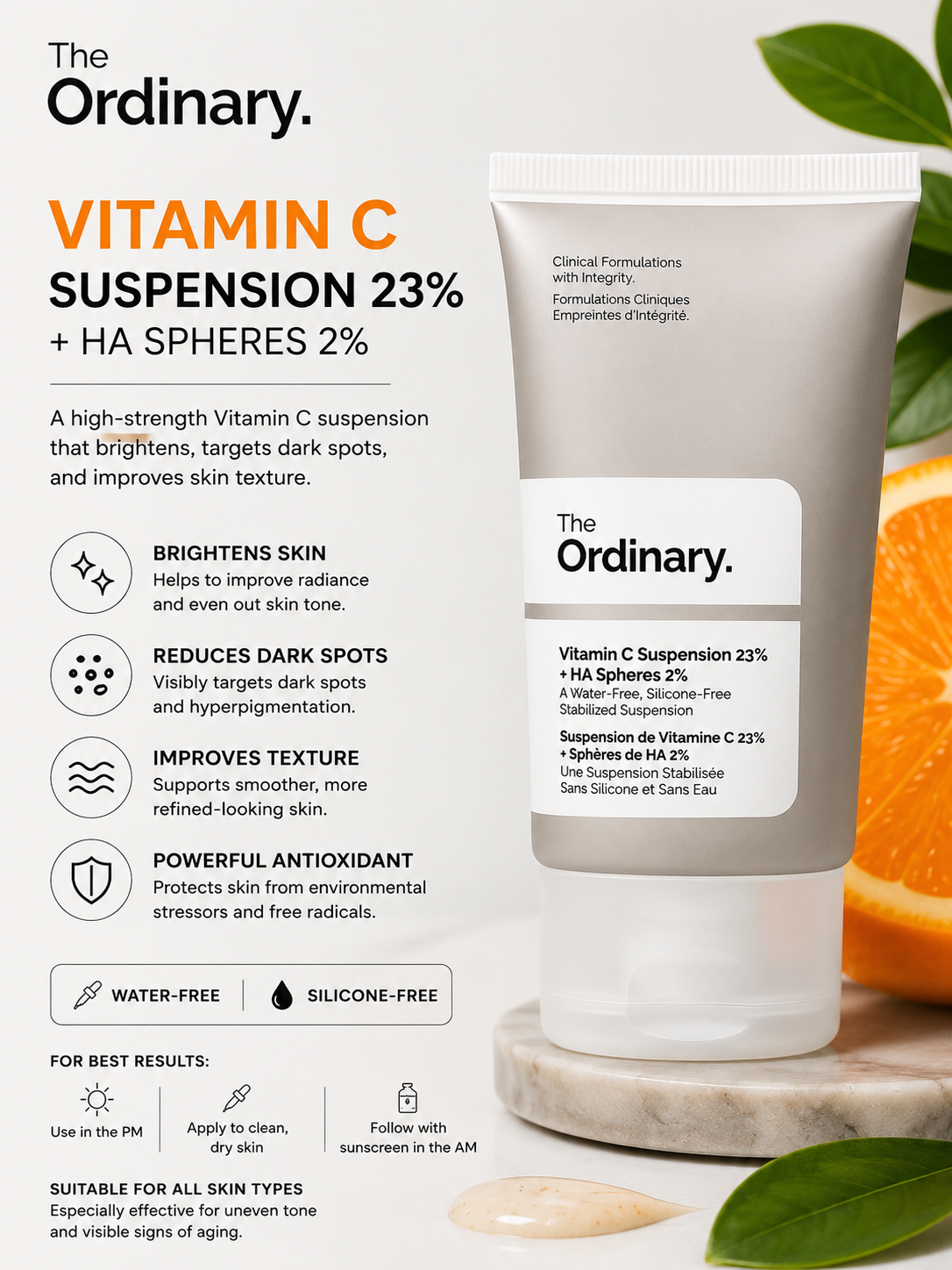
4. The Ordinary Vitamin C Suspension 23% + HA Spheres 2%
-
- Best for: Stubborn pigmentation
- Key ingredients: 23% Vitamin C, Hyaluronic Acid
- Suitable for: Experienced Vitamin C users
- Benefits: Targets persistent dark spots and uneven skin tone. It may cause a temporary tingling sensation.
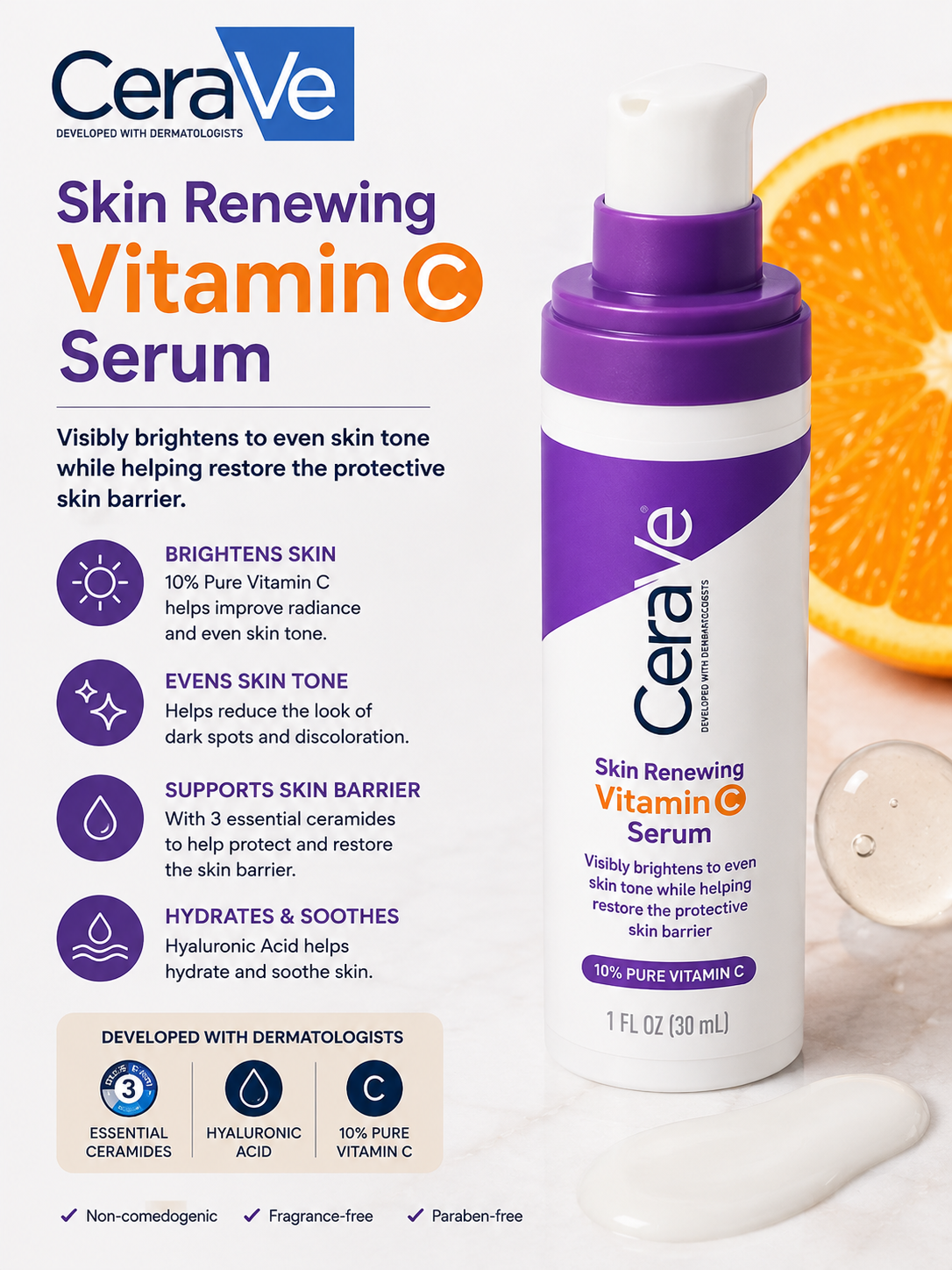
5. CeraVe Skin Renewing Vitamin C Serum
-
- Best for: Dry and sensitive skin
- Key ingredients: 10% Pure Vitamin C, Ceramides, Hyaluronic Acid
- Suitable for: Dry, normal, and sensitive skin
- Benefits: Brightens skin while supporting the skin barrier and hydration.
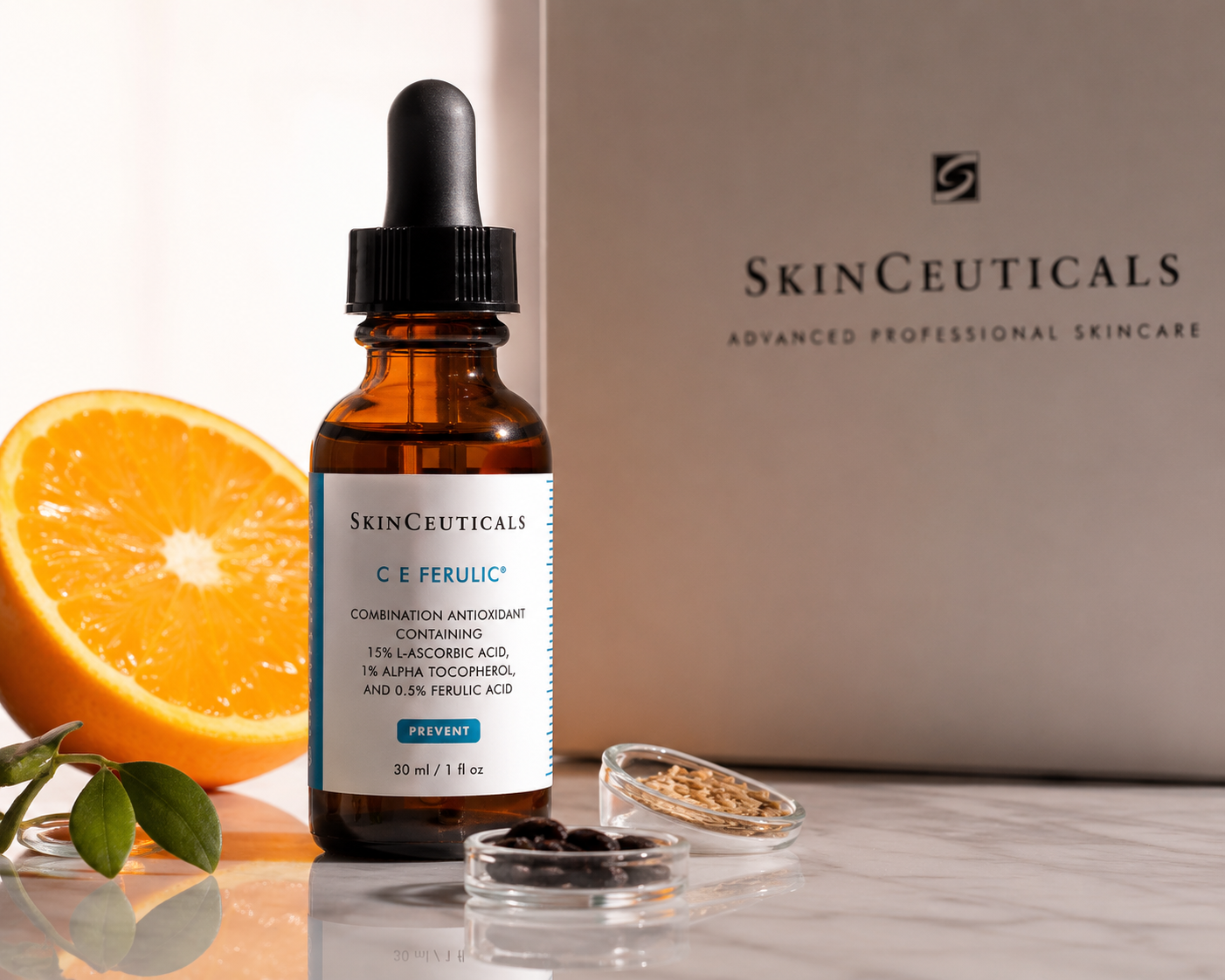
6. SkinCeuticals C E Ferulic
-
- Best for: Premium anti-aging and pigmentation care
- Key ingredients: 15% L-Ascorbic Acid, Vitamin E, Ferulic Acid
- Suitable for: Normal, dry, and combination skin
- Benefits: Helps reduce dark spots, improves firmness, and provides strong antioxidant protection.
Best Vitamin C Concentration
| Skin Type | Recommended Strength |
|---|---|
| Beginners | 5–10% |
| Sensitive Skin | 5–10% |
| Normal Skin | 10–15% |
| Oily Skin | 10–20% |
| Experienced Users | 15–20% |
Higher percentages are not always better. Consistency matters more.
How to Use Vitamin C for Dark Spots
Step 1
Cleanse your face with a gentle cleanser.
Step 2
Apply toner (optional).
Step 3
Apply 2–4 drops of Vitamin C serum.
Step 4
Wait about 1 minute.
Step 5
Apply moisturizer.
Step 6 (Morning)
Finish with a broad-spectrum SPF 30 or higher sunscreen.
Morning vs Night
Morning
Recommended because Vitamin C helps protect against free radicals generated by UV exposure and pollution.
Night
Also effective if you prefer a nighttime routine.
Many people use it once daily.
How Long Does It Take to Fade Dark Spots?
Typical timeline:
- 2–4 weeks: Skin looks brighter.
- 6–8 weeks: Mild pigmentation may start fading.
- 8–12 weeks: More noticeable improvement in dark spots.
- 3–6 months: Stubborn pigmentation may continue to improve.
Results vary depending on the cause, depth of pigmentation, skin type, and consistent sunscreen use.
Best Ingredients to Pair With Vitamin C
Niacinamide
Benefits:
- Brightens skin
- Strengthens the skin barrier
- Reduces pigmentation
- Helps control excess oil
Hyaluronic Acid
Benefits:
- Hydrates skin
- Reduces dryness
- Improves comfort when using Vitamin C
Alpha Arbutin
Benefits:
- Targets stubborn pigmentation
- Works well alongside Vitamin C
Ferulic Acid
Benefits:
- Stabilizes Vitamin C
- Enhances antioxidant protection
Vitamin E
Benefits:
- Improves stability
- Boosts antioxidant effects
- Supports skin repair
Best Skin Types for Vitamin C
Suitable for:
- Dry skin
- Oily skin
- Combination skin
- Normal skin
- Mature skin
- Acne-prone skin
- Most sensitive skin (using gentler Vitamin C derivatives)
Possible Side Effects
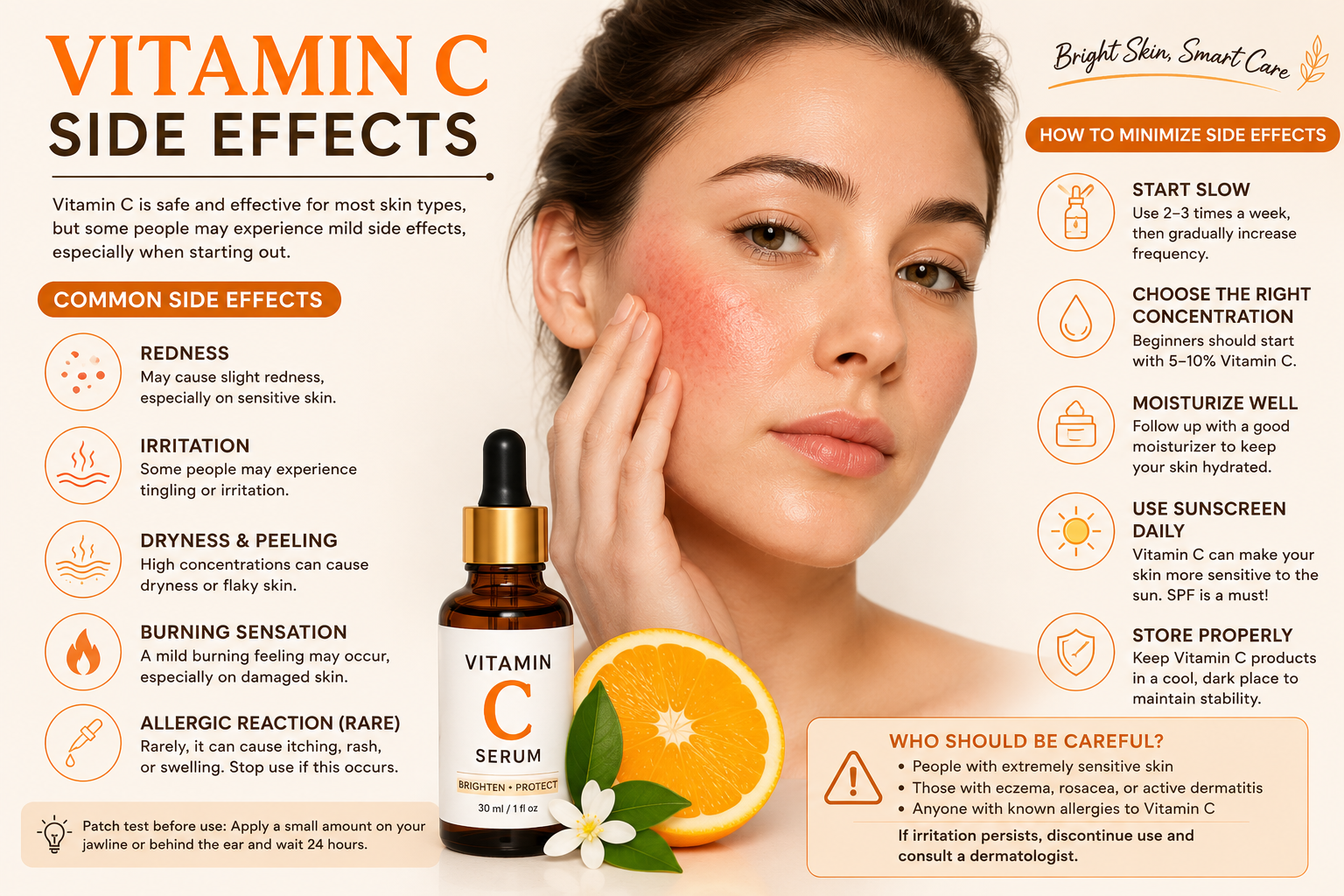
Although generally well tolerated, some people may experience:
- Mild tingling
- Temporary redness
- Dryness
- Irritation
- Burning sensation
- Purging is uncommon with Vitamin C
If irritation persists, reduce frequency or switch to a gentler derivative.
Tips to Get Faster Results
- Use Vitamin C consistently.
- Wear sunscreen every day.
- Avoid picking acne.
- Moisturize regularly.
- Store Vitamin C in a cool, dark place.
- Close the bottle tightly after each use.
- Be patient—pigmentation fades gradually.
Common Mistakes
- Skipping sunscreen
- Using too much product
- Choosing a concentration that’s too strong for your skin
- Using oxidized Vitamin C (dark orange or brown serum)
- Expecting overnight results
- Stopping treatment too early
Who Should Use Vitamin C?
Vitamin C is a good option for people who have:
- Acne marks
- Sun spots
- Uneven skin tone
- Dull skin
- Early signs of aging
- Hyperpigmentation
- Loss of brightness
Who Should Be Careful?
Consult a dermatologist before use if you have:
- Active eczema
- Severely irritated skin
- Open wounds
- Known allergy to ingredients in the formula
Final Thoughts
Vitamin C is one of the most trusted and scientifically supported skincare ingredients for reducing the appearance of dark spots, acne marks, and uneven skin tone. By helping to limit excess melanin production, protecting the skin from environmental damage, and boosting collagen production, it promotes a brighter, healthier-looking complexion over time.
The key to success with Vitamin C is consistency. Choose a high-quality serum that suits your skin type, apply it regularly, and always follow with a broad-spectrum sunscreen during the day to prevent new pigmentation from forming. While mild dark spots may begin to fade within a few weeks, deeper or more stubborn pigmentation often requires several months of consistent use and patience.
For even better results, Vitamin C can be paired with complementary ingredients like niacinamide, hyaluronic acid, or alpha arbutin as part of a well-balanced skincare routine. If you have very sensitive skin, start with a lower concentration and gradually increase usage as your skin adapts.
With the right product, realistic expectations, and daily sun protection, Vitamin C can become a powerful ally in achieving a more even, radiant, and youthful-looking complexion.