Ceramides for Skin Barrier Repair: Benefits, Uses, Side Effects & Best Products (Complete Guide)
What Are Ceramides?
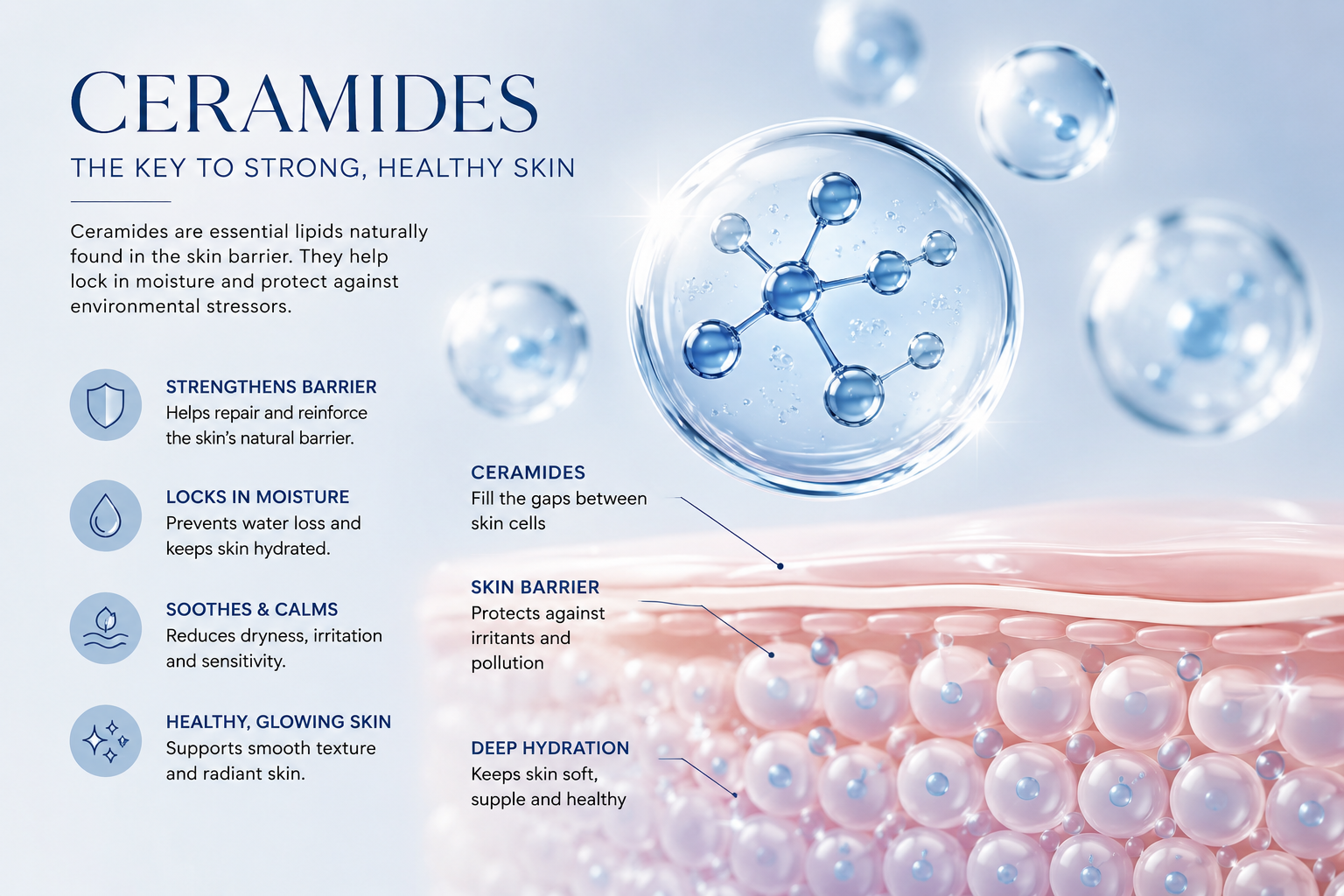
Ceramides are naturally occurring lipids (fats) that make up about 50% of the skin’s outer layer (stratum corneum). They act like the “cement” between skin cells, holding them together to create a strong, protective barrier.
Think of your skin as a brick wall:
- Skin cells = Bricks
- Ceramides = Cement
Without enough ceramides, your skin loses moisture, becomes dry, irritated, and more vulnerable to environmental damage.
Why Are Ceramides Important?
Ceramides help maintain a healthy skin barrier by:
- Preventing water loss
- Locking in moisture
- Protecting against pollution
- Blocking bacteria and allergens
- Reducing irritation
- Supporting skin healing
- Keeping skin smooth and soft
- Preventing dryness and flaking
What Is the Skin Barrier?
The skin barrier is the outermost protective layer of your skin.
Its job is to:
- Keep moisture inside
- Keep irritants outside
- Protect against bacteria
- Defend against UV damage
- Prevent sensitivity
When the barrier is damaged, your skin may become:
- Dry
- Tight
- Red
- Itchy
- Sensitive
- Rough
- Inflamed
- Acne-prone
Signs Your Skin Barrier Is Damaged
You may benefit from ceramides if you experience:
- Persistent dryness
- Flaky skin
- Redness
- Burning after applying skincare
- Increased sensitivity
- Itching
- Tight feeling after washing
- Rough texture
- Dull skin
- Frequent breakouts
What Causes Ceramide Loss?
Natural ceramide levels decrease due to:
Aging
After your 20s, ceramide production gradually declines.
Overwashing
Harsh cleansers strip away natural oils and ceramides.
Over-Exfoliation
Using strong acids or scrubs too often damages the barrier.
Retinoids
Strong retinoids can temporarily weaken the barrier while your skin adjusts.
Sun Damage
UV exposure breaks down natural skin lipids.
Cold Weather
Winter air reduces skin hydration.
Hot Showers
Very hot water removes protective oils.
Pollution
Environmental stress weakens the barrier.
Benefits of Ceramides for Skin Barrier Repair
1. Deep Hydration
Ceramides reduce transepidermal water loss (TEWL), helping skin stay hydrated for longer.
2. Strengthen the Skin Barrier
They rebuild damaged skin and improve resilience.
3. Reduce Dryness
Perfect for dry, dehydrated, and flaky skin.
4. Calm Sensitive Skin
Ceramides soothe irritation and reduce redness.
5. Help Eczema-Prone Skin
Many dermatologists recommend ceramide-rich moisturizers for eczema because they help restore the skin barrier.
6. Improve Skin Texture
Skin feels smoother, softer, and healthier with consistent use.
7. Support Anti-Aging
A healthy barrier helps reduce the appearance of fine lines caused by dehydration.
8. Reduce Irritation from Active Ingredients
Ceramides work well with:
- Retinol
- Vitamin C
- AHAs
- BHAs
- Benzoyl peroxide
They help minimize dryness caused by these treatments.
Who Should Use Ceramides?
Ceramides are suitable for:
- Dry skin
- Sensitive skin
- Normal skin
- Combination skin
- Oily skin
- Acne-prone skin
- Mature skin
- Dehydrated skin
- People using retinol
- People using exfoliating acids
Are Ceramides Good for Oily Skin?
Yes.
Even oily skin can have a damaged barrier.
Lightweight ceramide moisturizers can:
- Balance oil production
- Reduce irritation
- Prevent dehydration
- Support acne treatments
Are Ceramides Good for Acne?
Yes.
Ceramides do not treat acne directly, but they:
- Repair skin damaged by acne medications
- Reduce irritation
- Help maintain hydration
- Improve overall skin health
Ceramides for Dry Skin
Dry skin usually has lower ceramide levels.
Ceramide creams help:
- Reduce flaking
- Improve softness
- Relieve tightness
- Restore hydration
Ceramides for Sensitive Skin
Sensitive skin benefits greatly because ceramides:
- Reduce inflammation
- Calm redness
- Improve barrier strength
- Decrease reactivity
Ceramides for Mature Skin
As we age, natural ceramides decline.
Adding ceramides can:
- Improve elasticity
- Reduce roughness
- Increase hydration
- Support healthier-looking skin
Ingredients That Work Well Together
An ideal barrier repair moisturizer often contains:
- Ceramides
- Cholesterol
- Fatty acids
- Glycerin
- Hyaluronic acid
How to Use Ceramides
Morning
- Gentle cleanser
- Hydrating serum (optional)
- Ceramide moisturizer
- Sunscreen
Night
- Cleanser
- Treatment serum (optional)
- Ceramide moisturizer
How Often Should You Use Ceramides?
- Once daily for maintenance.
- Twice daily if your skin is dry, sensitive, or has a compromised barrier.
Because ceramides are generally gentle, they are suitable for long-term daily use.
Can You Use Ceramides with Retinol?
Yes.
Ceramides help reduce:
- Dryness
- Peeling
- Redness
- Irritation
They are one of the best ingredients to pair with retinol.
Can You Use Ceramides with Vitamin C?
Yes.
This combination can:
- Brighten skin
- Improve hydration
- Strengthen the skin barrier
- Reduce irritation
Can You Use Ceramides with Niacinamide?
Yes.
This is one of the best combinations for repairing a weakened skin barrier, improving hydration, and calming sensitive skin.
Can You Use Ceramides with Exfoliating Acids?
Yes.
Using a ceramide moisturizer after AHAs or BHAs can help replenish moisture and support recovery from exfoliation.
Best Time to Apply Ceramides
- Morning
- Night
- After cleansing
- After serums
- Before sunscreen (daytime)
Side Effects of Ceramides
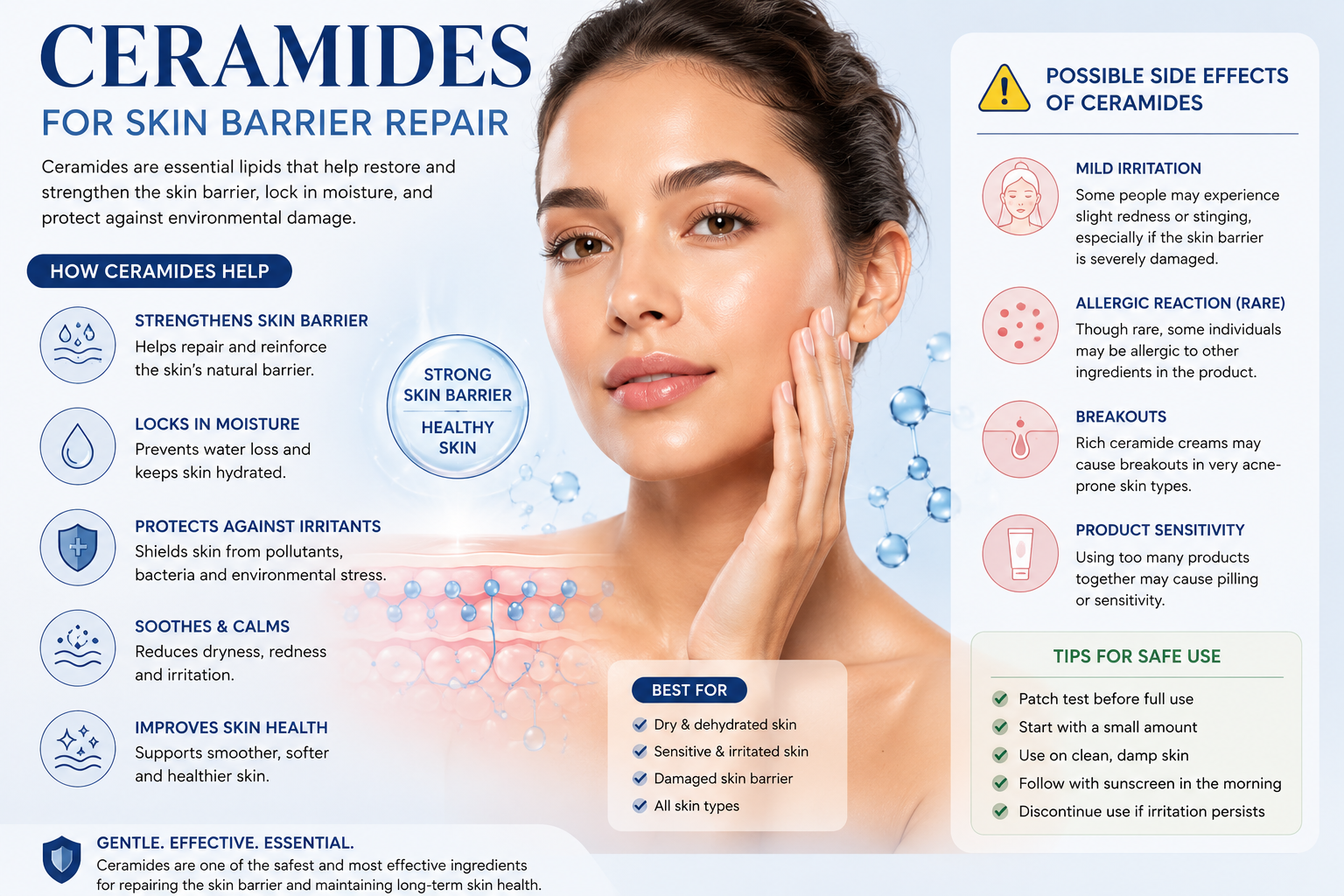
Ceramides are generally well tolerated.
Rare side effects may include:
- Mild irritation
- Temporary redness
- Allergic reaction to other ingredients in a product
- Breakouts in very rich creams for some individuals
Patch testing a new product is a good practice, especially if you have sensitive skin.
How Long Does It Take to See Results?
- Instant: Skin feels softer and more hydrated.
- 1–2 weeks: Dryness and tightness often improve.
- 3–6 weeks: The skin barrier may become stronger and less prone to irritation.
- 6–8 weeks: Texture and overall skin comfort often continue to improve with consistent use.
Tips for Repairing Your Skin Barrier Faster
- Use a gentle, fragrance-free cleanser.
- Moisturize with ceramides twice daily.
- Avoid over-exfoliating.
- Limit very hot showers.
- Wear sunscreen every day.
- Avoid picking at your skin.
- Stay well hydrated.
- Introduce active ingredients gradually.
6 Best Ceramide Skincare Brands for Skin Barrier Repair
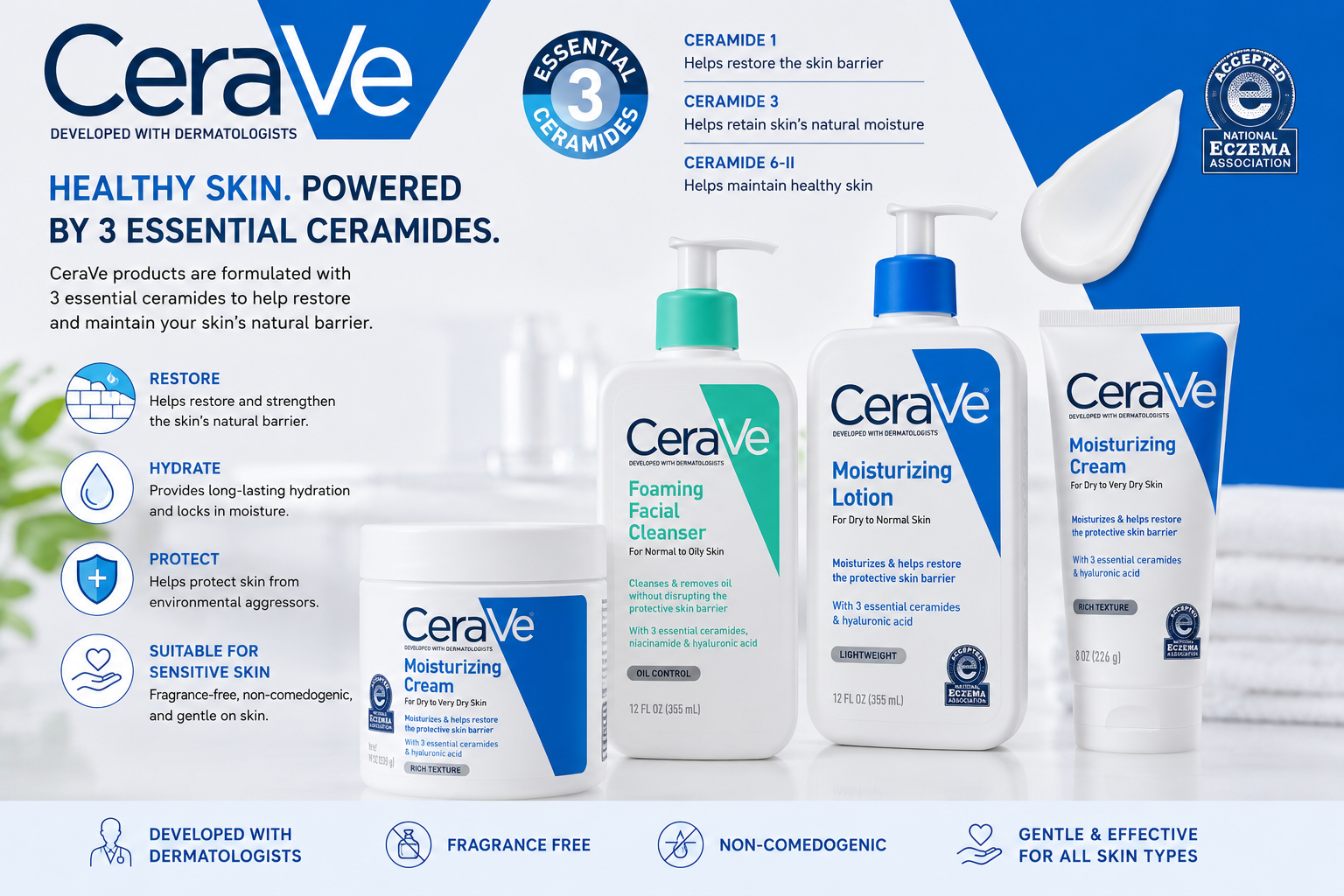
1. CeraVe
Best for: Dry, sensitive, and compromised skin
Recommended Product: CeraVe Moisturizing Cream
Key Benefits:
- Contains three essential ceramides (1, 3, and 6-II)
- Restores and strengthens the skin barrier
- Provides long-lasting hydration
- Fragrance-free and non-comedogenic
- Suitable for face and body
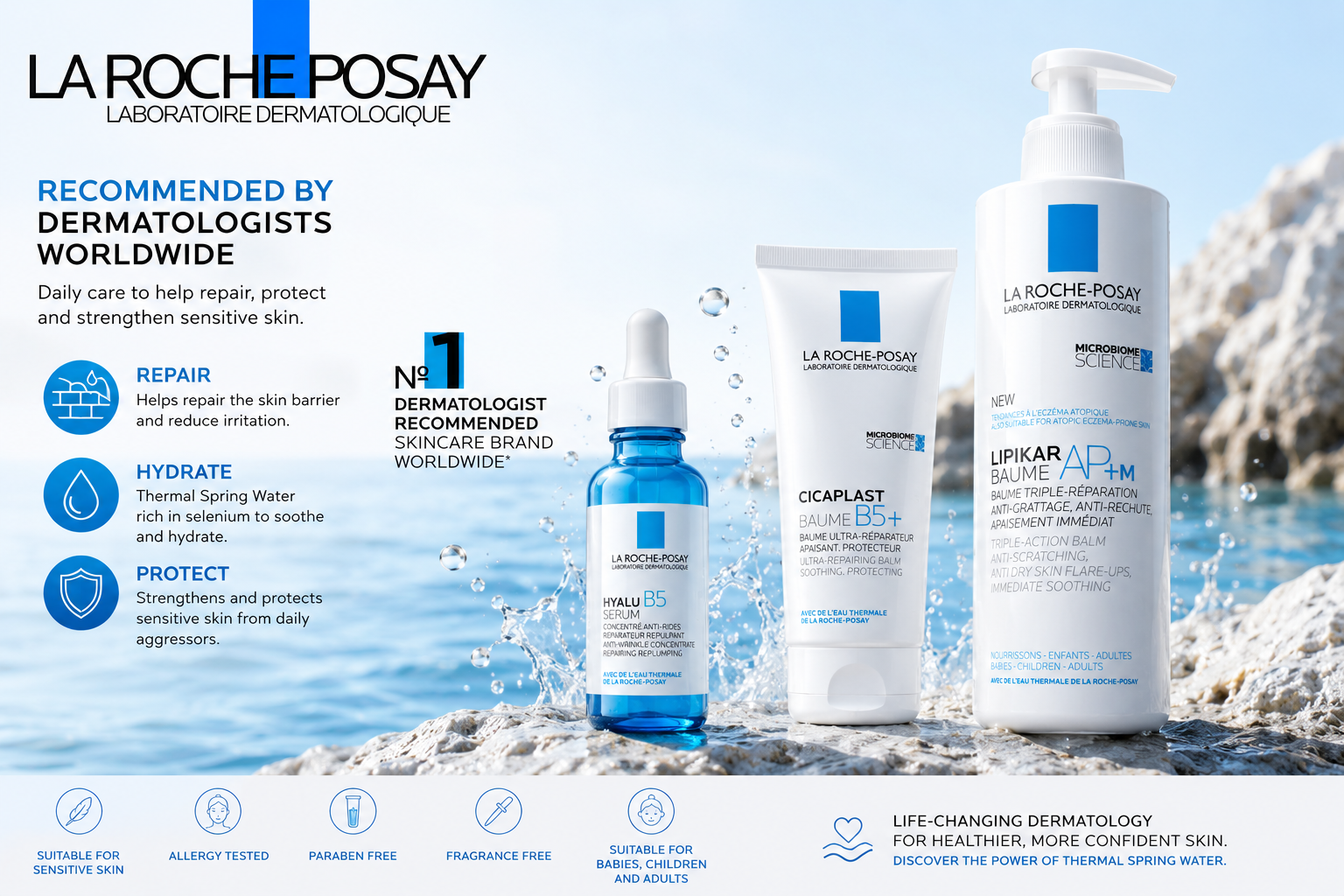
2. La Roche-Posay
Best for: Very dry, eczema-prone, and sensitive skin
Recommended Product: La Roche-Posay Lipikar Baume AP+M
Key Benefits:
- Enriched with ceramides and shea butter
- Helps soothe irritation and itching
- Repairs the skin’s moisture barrier
- Dermatologist-tested for sensitive skin
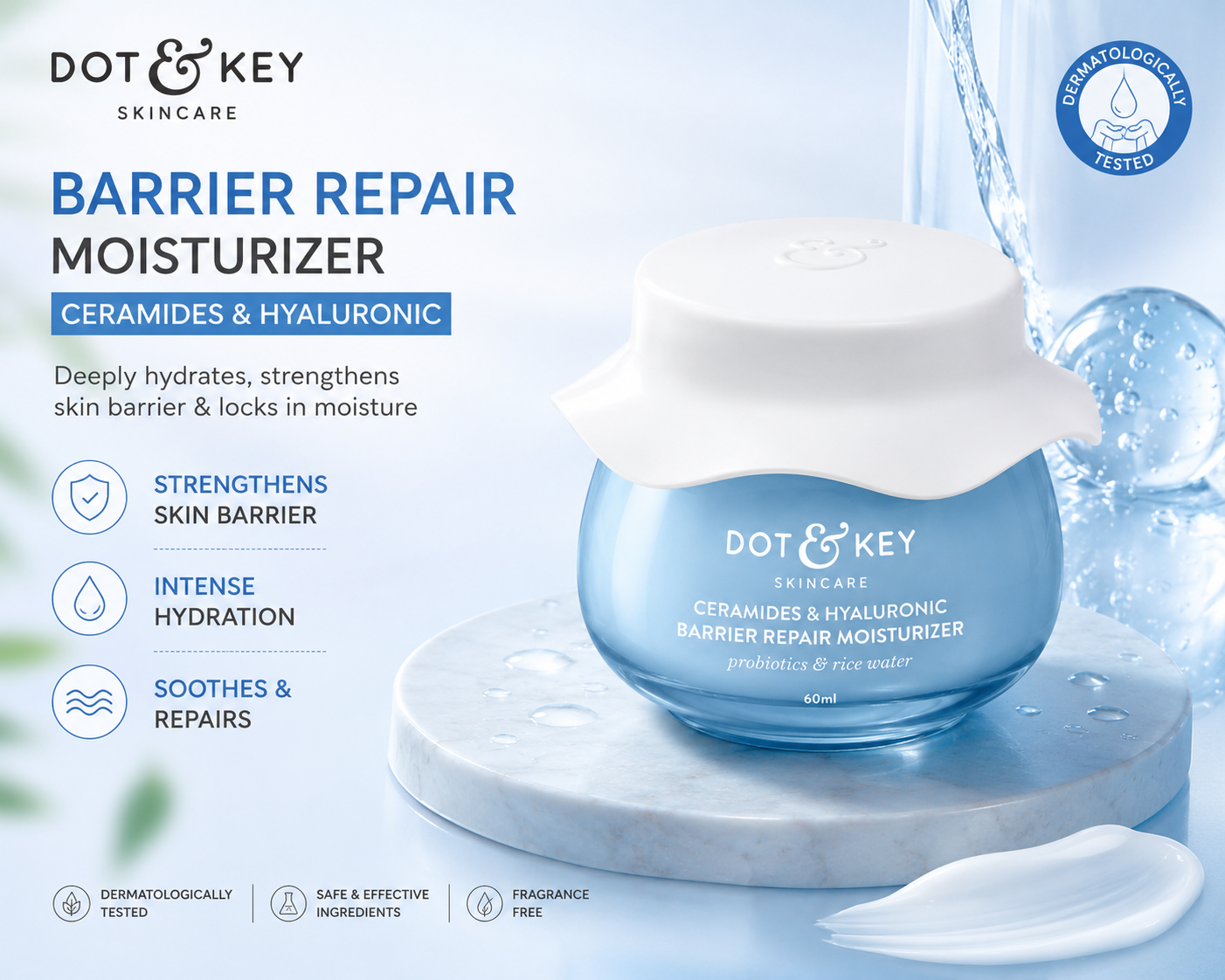
3. Dot & Key
Best for: Sensitive skin
Benefits
- Repairs and strengthens the skin barrier
- Provides up to 72-hour hydration (brand claim)
- Reduces dryness and flakiness
- Soothes irritated and sensitive skin
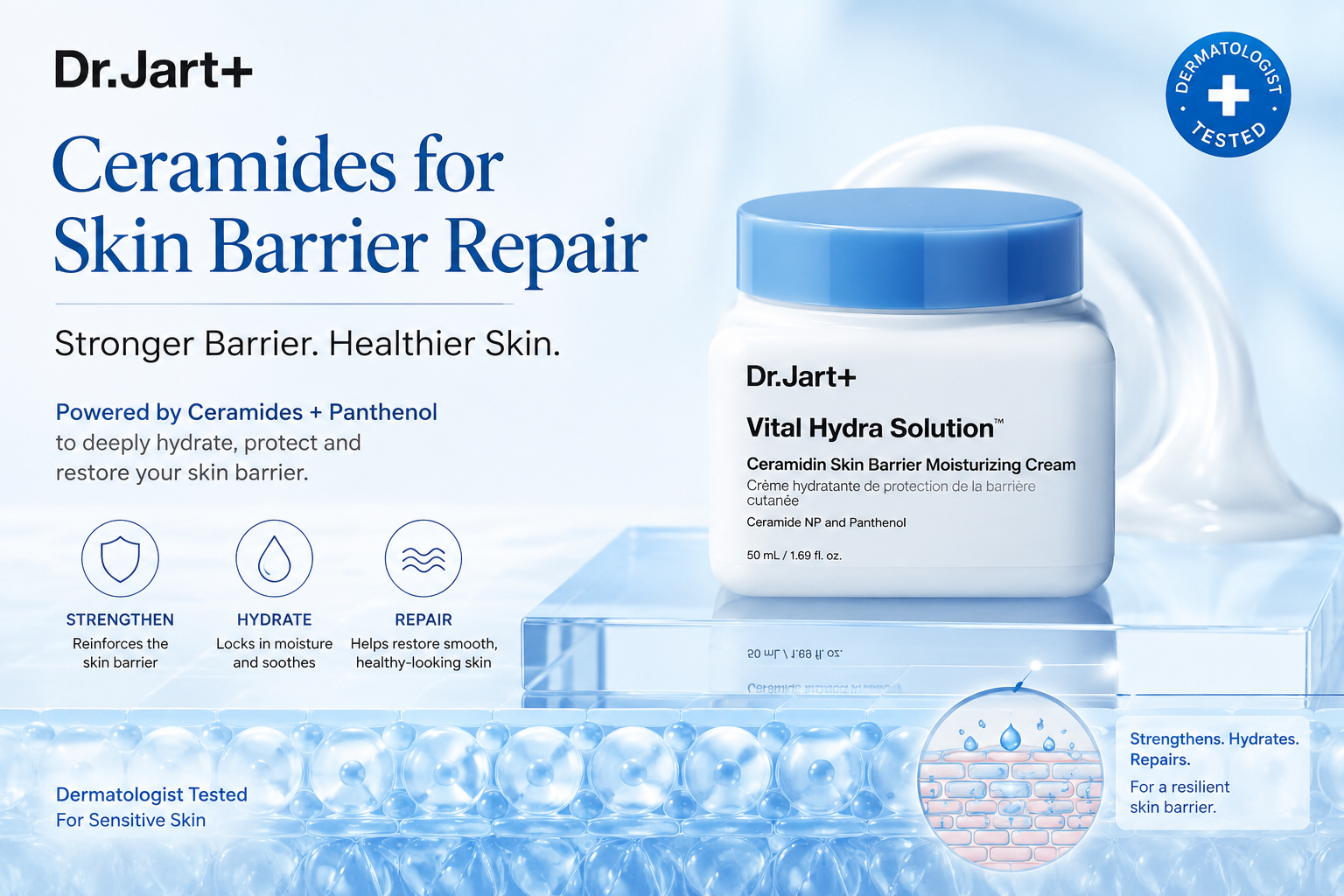
4. Dr. Jart+
Best for: Intensive barrier repair
Recommended Product: Dr. Jart+ Ceramidin Cream
Key Benefits:
- Rich ceramide complex
- Relieves dryness and tightness
- Improves skin elasticity
- Leaves skin soft and healthy-looking
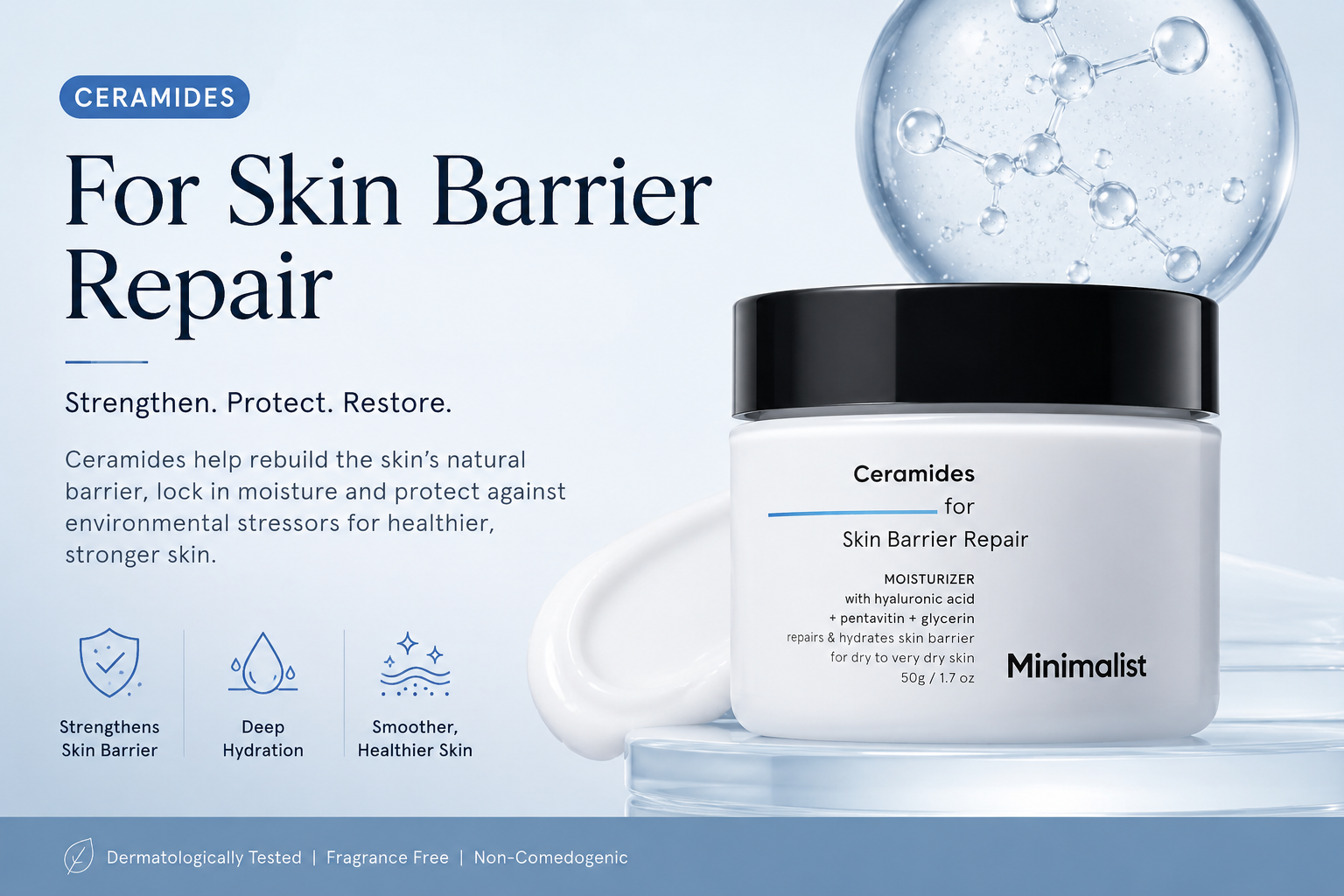
5. Minimalist
Best for: Affordable barrier repair
Recommended Product: Minimalist Ceramide 0.3% + Madecassoside Moisturizer
Key Benefits:
- Contains ceramides and madecassoside
- Soothes redness and irritation
- Lightweight, non-greasy formula
- Ideal for sensitive and acne-prone skin
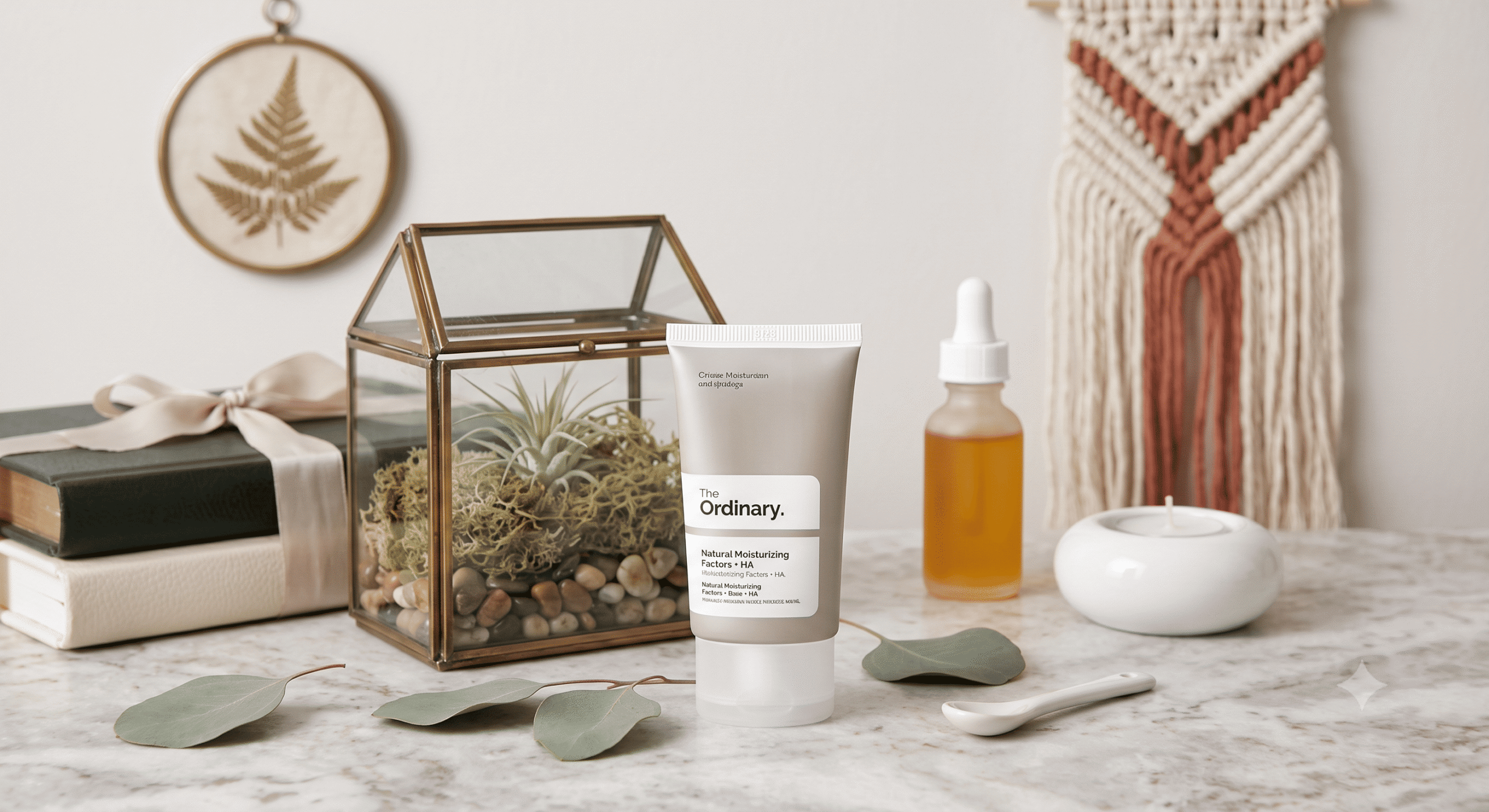
6. The Ordinary
Best for: Hydration and skin barrier support
Recommended Product: The Ordinary Natural Moisturizing Factors + PhytoCeramides
Key Benefits:
- Combines phyto-ceramides with moisturizing factors
- Strengthens the skin barrier
- Provides long-lasting hydration
- Suitable for all skin types
Final Thoughts
Ceramides are one of the most important ingredients for maintaining a healthy, resilient skin barrier. By replenishing the skin’s natural lipids, they help lock in moisture, reduce dryness, calm irritation, and protect against everyday environmental stressors. Whether you’re dealing with a damaged skin barrier, sensitive skin, acne treatment–related dryness, or simply want to keep your skin hydrated and healthy, ceramides are a gentle yet highly effective choice.
The best results come from using a ceramide-rich moisturizer consistently as part of your daily skincare routine. Pairing ceramides with ingredients like hyaluronic acid, niacinamide, glycerin, and cholesterol can further enhance hydration and barrier repair. Remember to use a gentle cleanser, avoid over-exfoliating, and apply sunscreen every morning to protect your skin and maintain a strong barrier.
With regular use, ceramides can leave your skin feeling softer, smoother, healthier, and better equipped to retain moisture. If you’re looking for a skincare ingredient that supports long-term skin health and works well for nearly every skin type, ceramides are an excellent addition to your routine.