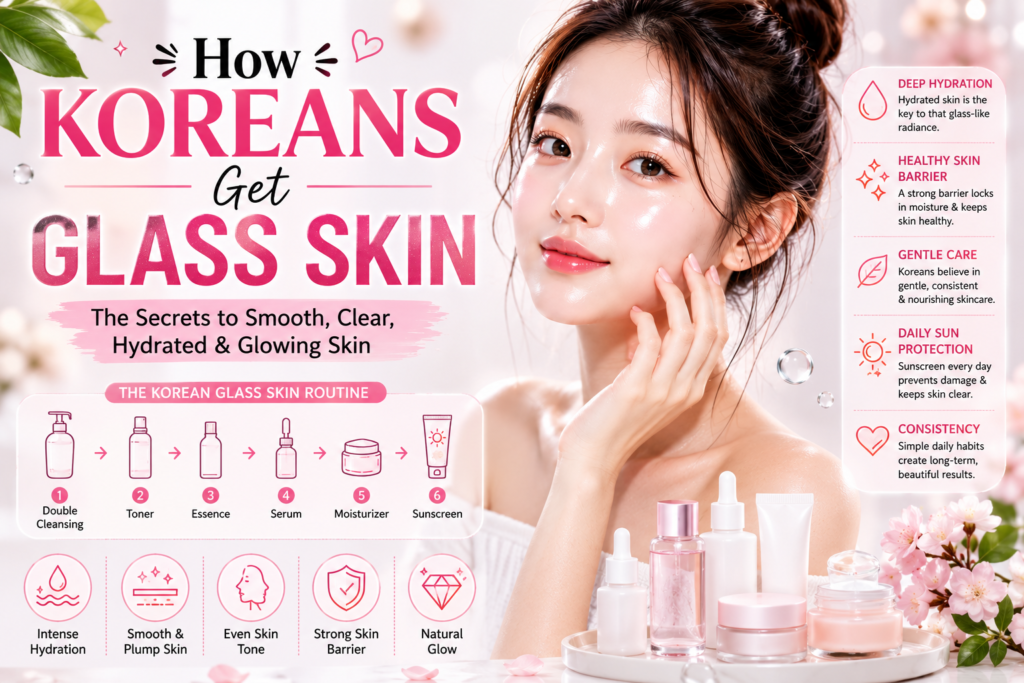
How Koreans Get Glass Skin: The Complete Guide to Healthy, Radiant Skin
Glass skin is one of the biggest skincare trends inspired by South Korea. Rather than relying on makeup or filters, the goal is to achieve skin that looks so healthy, smooth, and hydrated that it appears almost translucent—like glass. Contrary to popular belief, glass skin is not about having perfectly flawless skin. It’s about maintaining a strong skin barrier, deep hydration, and a consistent skincare routine.
In this guide, you’ll learn what glass skin really means, how Koreans achieve it, the best skincare ingredients, common mistakes to avoid, and practical tips you can follow regardless of your skin type.
What Is Glass Skin?
Glass skin refers to skin that is:
- Deeply hydrated
- Smooth and soft
- Even-toned
- Bright and radiant
- Plump with minimal visible pores
- Healthy-looking rather than oily
Unlike heavy makeup looks, glass skin focuses on improving the skin itself.
Why Korean Skin Looks So Healthy
Many people assume Korean genetics are the only reason for flawless skin. Genetics do play a role, but skincare habits are far more important.
Koreans typically focus on:
- Prevention rather than correction
- Daily sunscreen use
- Gentle skincare
- Hydration at every step
- Consistent routines
- Healthy lifestyle habits
Instead of trying to fix damaged skin later, they protect it every day.
The Glass Skin Philosophy
Glass skin is built on four core principles:
1. Healthy Skin Barrier
A damaged barrier leads to:
- Dryness
- Redness
- Acne
- Irritation
- Dullness
Barrier health always comes first.
2. Hydration
Hydrated skin reflects light better, making it appear naturally glowing.
Hydration comes from:
- Toners
- Essences
- Serums
- Moisturizers
- Drinking enough water
3. Gentle Care
Harsh scrubs and over-exfoliation are avoided.
Instead:
- Mild cleansers
- Gentle acids
- Barrier-friendly ingredients
- Consistent routines
4. Consistency
Glass skin doesn’t happen overnight.
Most people notice improvements after:
- 4–8 weeks of consistent care
- 2–3 months for significant changes
- 6 months for long-term skin health
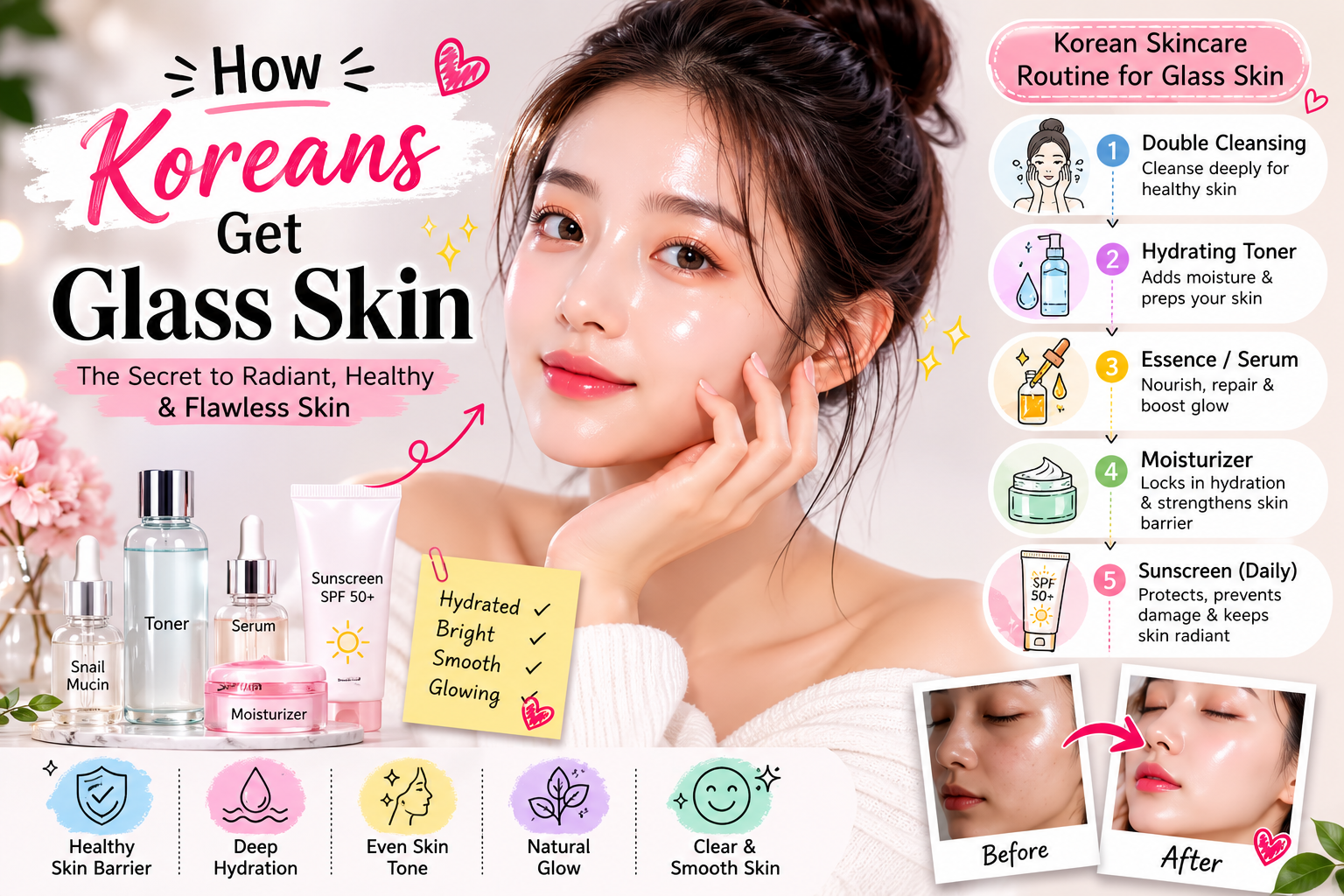
Step-by-Step Korean Glass Skin Routine
Step 1: Double Cleansing
At night:
Oil Cleanser
Removes:
- Sunscreen
- Makeup
- Excess oil
Water-Based Cleanser
Removes:
- Sweat
- Dirt
- Remaining impurities
Morning usually requires only a gentle cleanser.
Step 2: Gentle Exfoliation (1–2 Times Weekly)
Exfoliation removes dead skin cells and helps skincare products absorb better.
Choose:
- PHA (best for sensitive skin)
- Lactic Acid
- Mandelic Acid
- Low-strength Glycolic Acid
- BHA if you have oily skin
Avoid harsh physical scrubs.
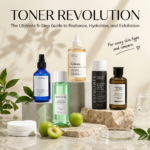
Step 3: Hydrating Toner
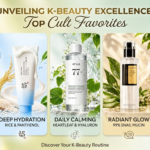
Unlike traditional toners, Korean toners mainly hydrate.
Look for:
- Hyaluronic Acid
- Glycerin
- Panthenol
- Beta-Glucan
- Rice Extract
- Centella Asiatica
Many people use the “7-skin method,” applying thin layers of toner for extra hydration (this is optional).
Step 4: Essence
Essences provide lightweight hydration and prepare the skin for serums.
Common ingredients include:
- Fermented extracts
- Snail mucin
- Rice extract
- Galactomyces
- Bifida ferment lysate
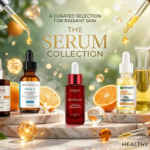
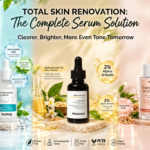
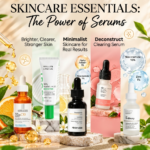
Step 5: Serum or Ampoule
Choose based on your skin concerns.
For Brightness
- Vitamin C
- Niacinamide
- Alpha Arbutin
- Tranexamic Acid
For Hydration
- Hyaluronic Acid
- Polyglutamic Acid
- Beta-Glucan
For Repair
- Ceramides
- Centella Asiatica
- Peptides
Step 6: Moisturizer
Moisturizer locks in hydration.
Look for:
- Ceramides
- Squalane
- Glycerin
- Panthenol
- Fatty acids
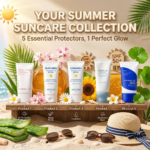
Step 7: Sunscreen (Most Important)
No glass skin routine is complete without sunscreen.
Choose:
- SPF 30 or higher
- Broad-spectrum protection
- PA+++ or PA++++
Wear sunscreen every day, even indoors if you’re near windows.
Best Ingredients for Glass Skin
Hyaluronic Acid
- Deep hydration
- Plumps skin
- Smooth texture
Niacinamide
- Brightens complexion
- Controls oil
- Strengthens skin barrier
- Reduces redness
Snail Mucin
Popular in Korean skincare because it:
- Repairs skin
- Hydrates
- Improves elasticity
- Softens texture
Centella Asiatica
Excellent for:
- Sensitive skin
- Redness
- Acne recovery
- Barrier repair
Ceramides
Essential for:
- Barrier repair
- Moisture retention
- Preventing dryness
Rice Extract
Helps:
- Brighten skin
- Improve softness
- Enhance glow
Peptides
Support:
- Firmness
- Elasticity
- Healthy-looking skin
Panthenol (Vitamin B5)
Known for:
- Soothing irritation
- Boosting hydration
- Supporting barrier repair
Lifestyle Habits That Support Glass Skin
Stay Hydrated
Drink water throughout the day to support overall health and skin hydration.
Eat a Balanced Diet
Focus on foods rich in:
- Fruits
- Vegetables
- Omega-3 fatty acids
- Lean proteins
- Healthy fats
Limit excess sugar and highly processed foods if they worsen your skin.
Sleep Well
Aim for 7–9 hours of sleep to support skin repair and recovery.
Manage Stress
Chronic stress can worsen acne and inflammation. Exercise, meditation, or hobbies can help.
Avoid Smoking
Smoking accelerates skin aging and can make skin appear dull.
Common Glass Skin Mistakes
❌ Over-exfoliating
❌ Using too many active ingredients at once
❌ Skipping moisturizer
❌ Not wearing sunscreen
❌ Frequently changing products
❌ Expecting instant results
❌ Using products that don’t suit your skin type
Glass Skin Routine by Skin Type
Oily Skin
Focus on:
- Gel cleansers
- Lightweight hydrating toners
- Niacinamide
- Oil-free moisturizers
- Lightweight sunscreen
Dry Skin
Focus on:
- Cream cleansers
- Multiple hydrating layers
- Ceramides
- Rich moisturizers
- Overnight sleeping masks
Combination Skin
Focus on:
- Balanced hydration
- Lightweight moisturizers
- Gentle exfoliation
- Niacinamide
Sensitive Skin
Focus on:
- Fragrance-free products
- Centella Asiatica
- Ceramides
- Panthenol
- PHA exfoliation
Acne-Prone Skin
Focus on:
- Gentle cleansing
- Salicylic acid (as tolerated)
- Niacinamide
- Lightweight moisturizers
- Sunscreen
Avoid picking pimples, as it increases the risk of post-acne marks.
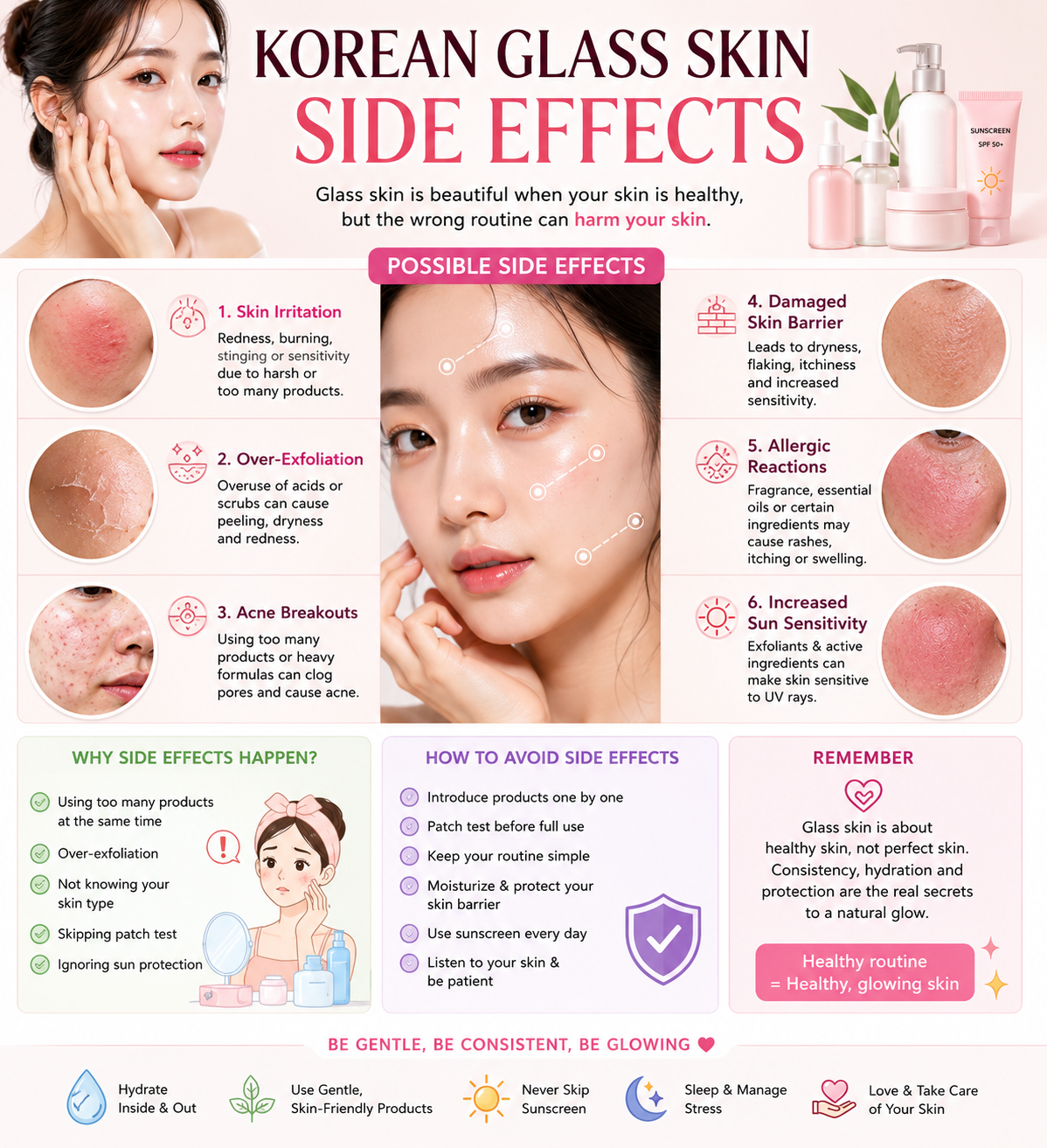
Korean Glass Skin Side Effects: Myths, Risks, and How to Avoid Them
The Korean glass skin trend has inspired millions of people to adopt hydrating, glow-focused skincare routines. While the goal of achieving smooth, radiant, and healthy-looking skin is generally safe, problems can arise when people overuse products, layer too many active ingredients, or follow routines that don’t suit their skin type.
The good news is that glass skin itself has no side effects. The side effects come from improper skincare practices, not from the concept of glass skin.
Does the Glass Skin Routine Have Side Effects?
A well-balanced Korean skincare routine is generally safe for most people. However, following trends without understanding your skin’s needs can lead to unwanted side effects.
Possible issues include:
- Skin irritation
- Breakouts
- Redness
- Dryness
- Allergic reactions
- Increased sun sensitivity
- Damaged skin barrier
Common Side Effects of Trying to Get Glass Skin
1. Skin Irritation
Using too many new products at once may irritate your skin.
Symptoms
- Burning
- Stinging
- Redness
- Tightness
Common Causes
- Strong acids
- Retinol
- Fragrances
- Alcohol-based products
Prevention
- Introduce one product at a time.
- Patch-test before full application.
2. Over-Exfoliation
Many people think more exfoliation means faster results, but overdoing it can damage your skin.
Symptoms
- Dry patches
- Peeling
- Redness
- Increased sensitivity
Prevention
- Exfoliate only 1–2 times per week.
- Use gentle chemical exfoliants like PHA or lactic acid.
3. Damaged Skin Barrier
The skin barrier protects against moisture loss and environmental irritants.
Signs of Barrier Damage
- Persistent redness
- Flaking
- Tightness
- Itching
- Increased breakouts
Prevention
- Use ceramides, panthenol, and moisturizers.
- Avoid harsh scrubs and excessive active ingredients.
4. Acne Breakouts
Introducing multiple products too quickly can clog pores or trigger purging.
Possible Causes
- Heavy creams
- Comedogenic products
- Layering too many products
Prevention
- Choose non-comedogenic formulas.
- Add products gradually.
5. Allergic Reactions
Some people may react to ingredients such as:
- Fragrance
- Essential oils
- Botanical extracts
- Preservatives
Symptoms
- Rash
- Swelling
- Itching
- Hives
Prevention
- Perform a patch test 24–48 hours before use.
- Stop using the product if a reaction occurs.
6. Increased Sun Sensitivity
Exfoliating acids and retinoids can make your skin more sensitive to UV rays.
Risks
- Sunburn
- Hyperpigmentation
- Premature aging
Prevention
- Wear a broad-spectrum SPF 30 or higher every day.
- Reapply sunscreen every 2–3 hours when outdoors.
7. Product Overload
Applying too many skincare layers may overwhelm your skin.
Possible Problems
- Sticky skin
- Clogged pores
- Pilling (products rolling off)
- Irritation
Prevention
- Keep your routine simple.
- Use only products your skin actually needs.
Ingredients That May Cause Side Effects
Some active ingredients are beneficial but may cause irritation if overused.
Retinol
Possible Side Effects
- Dryness
- Peeling
- Redness
- Temporary irritation
Use 2–3 nights per week initially and moisturize well.
Vitamin C
Possible Side Effects
- Mild tingling
- Irritation in sensitive skin
Start with a lower concentration if you’re new to vitamin C.
AHAs (Glycolic Acid, Lactic Acid)
Possible Side Effects
- Dryness
- Peeling
- Sun sensitivity
Limit use to 1–2 times weekly unless advised otherwise.
BHAs (Salicylic Acid)
Possible Side Effects
- Dryness
- Mild peeling
- Irritation
Suitable for oily and acne-prone skin but should be introduced gradually.
Fragrance
Artificial fragrance may trigger irritation or allergies in sensitive skin.
Choose fragrance-free products if your skin is easily irritated.
Who Is More Likely to Experience Side Effects?
People with the following skin types should be extra cautious:
- Sensitive skin
- Rosacea-prone skin
- Eczema-prone skin
- Very dry skin
- Active inflammatory acne
- Compromised skin barrier
A simpler routine with soothing, fragrance-free products is often best for these skin types.
How to Avoid Glass Skin Side Effects
- Patch-test every new product.
- Introduce one product at a time.
- Avoid using multiple strong active ingredients together.
- Moisturize daily to support your skin barrier.
- Wear sunscreen every morning.
- Exfoliate only as needed.
- Don’t copy someone else’s routine—choose products for your own skin type.
- Stay consistent instead of constantly switching products.
Healthy Habits That Support Glass Skin Safely
- Drink enough water.
- Eat a balanced diet rich in fruits, vegetables, and healthy fats.
- Sleep 7–9 hours each night.
- Manage stress.
- Avoid smoking.
- Remove makeup before bed.
- Keep makeup brushes and pillowcases clean.
Common Myths
Myth: Glass skin requires a 10-step routine.
Fact: A simple 4–5 step routine can be just as effective.
Myth: More products give faster results.
Fact: Using too many products increases the risk of irritation.
Myth: Exfoliating every day gives smoother skin.
Fact: Over-exfoliation can damage your skin barrier.
Myth: Expensive Korean products are necessary.
Fact: Consistency and choosing products that suit your skin matter far more than price.
When to See a Dermatologist
Consult a dermatologist if you experience:
- Severe redness or swelling
- Painful or widespread rashes
- Persistent burning or stinging
- Acne that worsens significantly
- Signs of infection
- Symptoms that don’t improve after stopping the suspected product.
Can Anyone Get Glass Skin?
Yes, but expectations should be realistic.
Glass skin doesn’t mean:
- No pores
- Perfect skin
- Zero acne
- No pigmentation
Instead, it means achieving the healthiest version of your skin through consistent care. Factors like genetics, hormones, age, and medical skin conditions still influence your skin’s appearance.
How Long Does It Take?
With a consistent routine:
- 1–2 weeks: Better hydration and softer skin
- 4–8 weeks: Improved brightness and smoother texture
- 2–3 months: More even tone and visible glow
- 6 months or longer: Stronger barrier and healthier-looking skin
Consistency matters far more than using many expensive products.
Do You Need a 10-Step Routine?
No. While the famous Korean 10-step routine is popular, many people achieve excellent results with a simpler routine:
- Gentle Cleanser
- Hydrating Toner
- Serum
- Moisturizer
- Sunscreen (morning)
The best routine is one you can follow every day.
Final Thoughts: How Koreans Get Glass Skin
Achieving Korean-style glass skin isn’t about chasing perfection or following an expensive 10-step skincare routine. Instead, it’s about building healthy skin through consistent care, gentle products, and a strong focus on hydration and skin barrier protection. Daily sunscreen, a balanced routine, and patience are the true secrets behind the radiant, dewy complexion that Korean skincare is known for.
Remember that glass skin looks different on everyone. Factors such as genetics, age, hormones, and skin type all influence your results, so don’t compare your skin to heavily edited photos or social media filters. Focus on improving your own skin’s health rather than trying to achieve an unrealistic standard of perfection.
With the right cleanser, hydrating toner, nourishing serum, moisturizer, and broad-spectrum sunscreen, you can gradually achieve smoother, brighter, and healthier-looking skin. Stay consistent, introduce new products slowly, and give your skin time to adapt. Healthy, glowing skin is a long-term investment—and with patience and the right habits, glass skin is an achievable goal for many people.